
 E-Paper



Frozen foods: Would you eat this 106-year-old fruit cake from Antarctica?
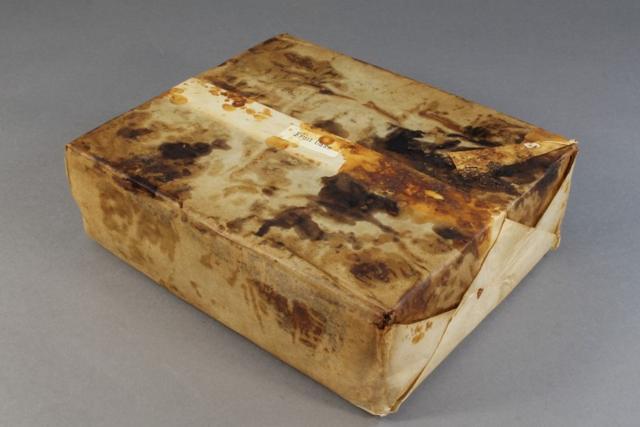
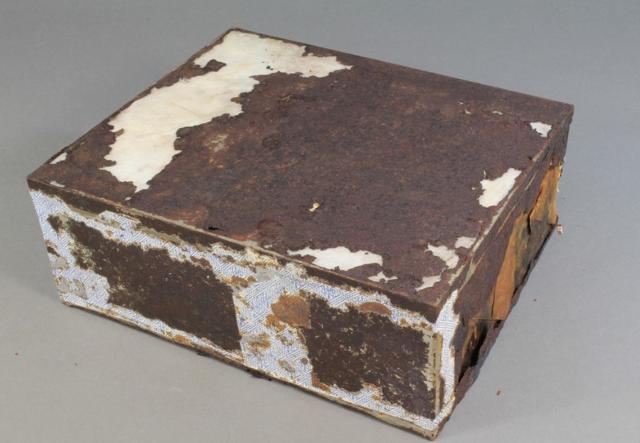
Made by British company Huntley & Palmers, the fruit cake is still wrapped in paper and encased in the remains of a tin-plated iron alloy tin.


A fruitcake thought to be 106 years old was recently uncovered by the Antarctic Heritage Trust in an extremely remote Antarctic hut.
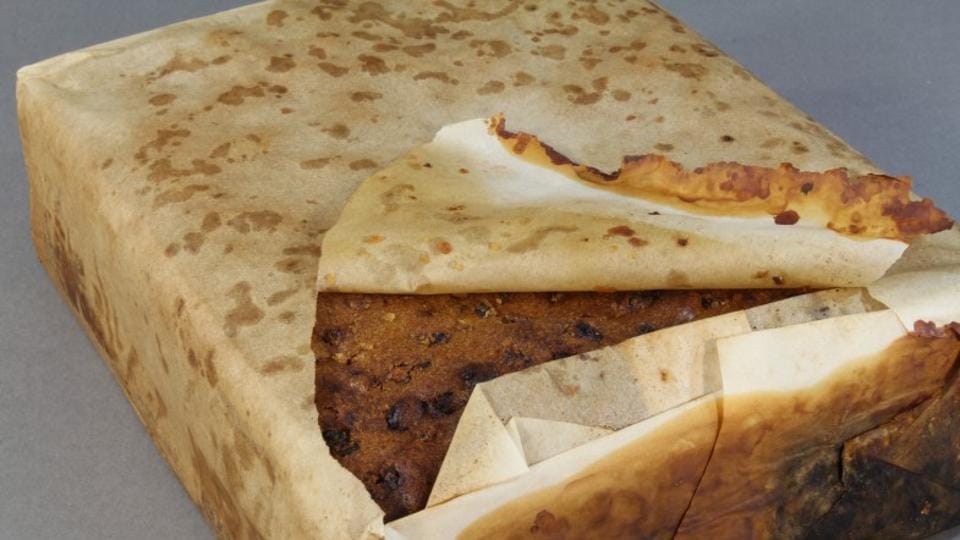
Made by British company Huntley & Palmers, the fruit cake is still wrapped in paper and encased in the remains of a tin-plated iron alloy tin. Although the tin was in poor condition, the cake itself looked and smelt (almost) edible, said a press release by the Antarctic Heritage Trust.
Conservators in New Zealand found the elderly cake on Cape Adare, and believe it dates to the Cape Adare-based Northern Party of Scott’s Terra Nova expedition (1910 – 1913) as it has been documented that British explorer Robert Falcon Scott took this particular brand of cake with him at that time.
The huts were built by Norwegian Carsten Borchgrevink’s expedition in 1899 and later used by Captain Scott’s party in 1911. The buildings were the first in Antarctica and are the only examples left of humanity’s first building on any continent.
The fruity treat was among nearly 1,500 artifacts found in the Cape Adare huts.
Despite looking “edible,” the researchers were not permitted to taste the cake for ethical reasons.
According to the New Zealand-based charity, quite of bit of work went into treating the cake, including rust removal, chemical stabilisation and coating of the tin remnants. Deacidification of the tin label and some physical repair to the torn paper wrapper and tin label was also carried out.
“The cake itself was in excellent condition,” the team said.
Programme Manager-Artefacts Lizzie Meek said “With just two weeks to go on the conservation of the Cape Adare artefacts, finding such a perfectly preserved fruitcake in amongst the last handful of unidentified and severely corroded tins was quite a surprise. It’s an ideal high-energy food for Antarctic conditions, and is still a favourite item on modern trips to the Ice.”
In accordance with the site’s status as an Antarctic Specially Protected Area (ASPA), the cake, along with all artefacts found, will be returned to the site after being treated.


