
 E-Paper



Germany’s Social Democrats ditch Olaf Scholz after historic defeat
Despite falling more than 9 percentage points to 16.3% in Sunday’s election, the SPD will probably be tapped by-election winner Merz to enter coalition talks.

 Prefer HTon Google


Germany’s Social Democrats are under pressure to quickly revamp leadership as a role in a new government beckons, even though Chancellor Olaf Scholz’s party slumped to its worst election result since World War II.
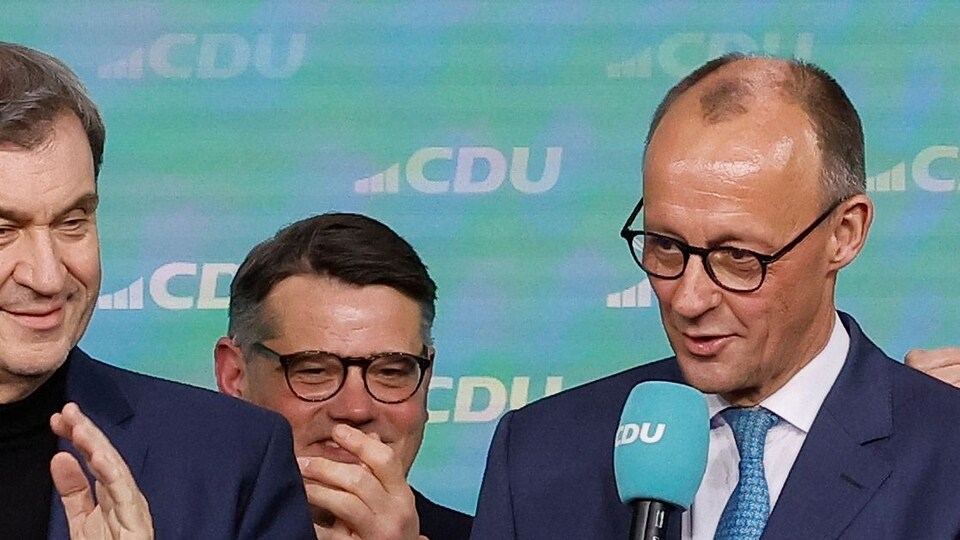
Despite falling more than nine percentage points to 16.3% in Sunday’s election, the SPD will probably be tapped by-election winner Friedrich Merz to enter coalition talks.
The Christian Democrat-led conservatives will likely only be able to secure a majority in the Bundestag with the Social Democrats or Alternative for Germany.
Merz has ruled out an alliance with the far-right party, and that will all but force the SPD and the CDU-led bloc to seek a so-called grand coalition of the country’s two traditionally strongest parties.
Also Read | German conservatives block to win general election; far-right party AfD to gain ground: Exit poll
Germany’s sputtering economy and geopolitical pressures stemming from US President Donald Trump ripping up the transatlantic alliance creates urgency for the SPD to resolve internal issues and engage with the rival conservatives.
On election night, Scholz made clear that he will not take part in a Merz-led government and will also play no major role in the upcoming coalition negotiations. That shifts the focus to Defense Minister Boris Pistorius.
The country’s most popular politician was widely touted as the better candidate ahead of the snap election, but Scholz refused to make way.
The SPD “will hold talks in the next days” that would also include “personnel changes,” Pistorius said in an interview with public broadcaster ZDF.
While his comments echoed remarks by Lars Klingbeil, the SPD co-leader was cagey about whether the party would indeed agree to an alliance with the CDU. “The SPD needs a renewal,” he said.
Also Read | Germany polls: How rural Bavaria could help new govt shape its immigration policy
Speaking at the Social Democrats’ headquarters in Berlin, Scholz acknowledged defeat after he failed to deliver on his pledge to pull off a late-stage comeback like in 2021. While he will continue to serve as the caretaker chancellor, Scholz was vague when asked about his future role.
“It’s very clear to me that I was running for the office of chancellor and no other role in the government,” he said. “I will stand by that very clearly going forward. And that’s my position.”
The disappointment was widespread for Germany’s oldest party. SPD general secretary Matthias Miersch called it “a bitter evening.”
He said the defeat was largely caused by the unpopularity of its three-party coalition with the pro-business Free Democrats and the Greens.
“For me, it’s clear that Boris Pistorius will continue to play an important role in the SPD,” Miersch said in a TV interview, but he declined to comment on specifics and referred to pending talks that will be held in thecoming days.


