
 E-Paper



Haqqani and Baradar fight it out for power in Kabul
Backed by Pakistan, the Haqqani Network have no interest in sharing power in Kabul and are looking at pure ultra-conservative Sunni Pashtun government. This view flies against the commitment given by Mullah Baradar for a transitional inclusive government to the international community in Doha.

 Prefer HTon Google


There is confusion over government formation in Kabul with Haqqani Network leadership at odds with Mullah Baradar over the formation of an inclusive transitional government as committed to the international community during the Doha peace talks.
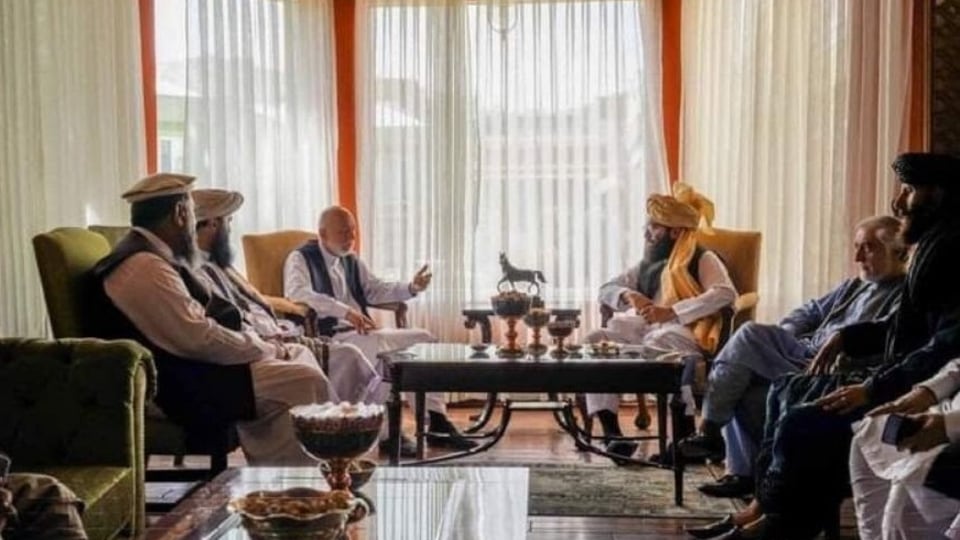
While Baradar wants elements from the minority communities to be included in the government, the Haqqani’s lead by Taliban deputy leader Sirajuddin and his terrorist brood do not want to share power with anyone. With the tacit backing of mentor and promoter Pakistan, the Haqqanis are in favour of a pure Taliban government based on medieval theocracy. “The HQN has told Baradar to back off as they won Kabul and have dominant control of the Afghan capital. Mullah Yaqoob is still in Kandahar and there is utter confusion over government formation with ultra-conservative traditional Taliban elements who do not want to give up filial ties with Al Qaeda coming to the fore,” said a Kabul watcher.
Also read | The inside story of the ISI-Taliban nexus
The chief promoter of Taliban, Lt Gen Faiz Hameed, Director General of Pakistani Inter-Services Intelligence (ISI), is still in Kabul trying to broker a settlement between the warring factions in favour of the Haqqani Network. The ISI has used Haqqani Network to target Indian Embassy in Kabul in the past and for steering the Sunni Pashtun force in a direction aligned to Pakistan. Another reason for Gen Hameed to be in Kabul is to monitor the Taliban operations against the Resistance Force led by Commander Amrullah Saleh in Panjshir Valley. Unconfirmed reports indicate the induction of Pakistani Army regulars in mufti for the anti-resistance operations in the Panjshir Valley. With China and Russia with the Taliban, the Panjshir resistance is fighting an uphill battle without international support as all the bordering Central Asian Republics are suing for peace with the Sunni Islamist as directed by Moscow. While the European Union is most unhappy with the turn of events and in Pakistan, the 27 member union has no stomach for a fight, while the UK is riding on Islamabad for engaging the Taliban. And the US has no play in the stabilisation of Afghanistan except that it wants the Doha process to be honoured as brokered by their much-discredited envoy Zalmay Khalilzad.
Also read | Why is ISI chief in Kabul? Afghan politician says 'to stop Mullah Baradar'
Clearly, the tussle for power in Kabul will yield towards the gun as the HQN leadership has told the Doha interlocutors that they won Kabul through force and are not really interested in any legitimacy from the international community with China on its side. An HQN controlled Taliban government in Kabul also suits the Pakistan Army as it will not only give Rawalpindi strategic depth against India but also strong leverage with the tired international community. The clock has again gone back to medieval times in the Af-Pak region.


