E-Paper



Iran activated sleeper cells across the globe after Khamenei's death: Report
The coded signal was reportedly transmitted after the death of Iranian Supreme Leader Ali Khamenei on February 28.

 Prefer HTon Google


Iran reportedly issued a possible “operational trigger” meant to activate “sleeper assets” overseas after the military conflict involving the United States and Israel began, according to an encrypted message intercepted by Washington.
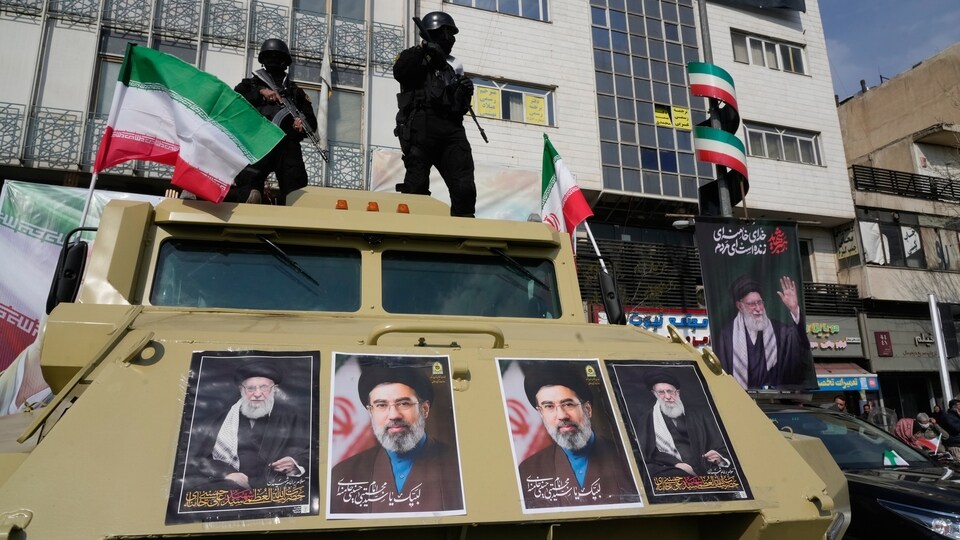
Heavy airstrikes by the United States and Israel on Iran have continued for more than a week, while Iran has carried out further attacks on Israel and Gulf countries. Meanwhile, Israel is also striking Iran-backed Hezbollah in Lebanon, while the militant group continues to launch rockets into Israel. Follow US-Iran war live updates here.
ALSO READ | India weighs options to escort stuck ships out of choked Strait of Hormuz
Iran activating sleeper cells?
According to the intercepted encrypted message, Iran may have sent out a possible “operational trigger” aimed at activating “sleeper assets” abroad, ABC News reported.
The coded signal was transmitted after the death of Iranian Supreme Leader Ali Khamenei on February 28. The message appeared to contain directions for “covert operatives or sleeper assets,” the report said, citing a federal alert sent to law enforcement agencies.
The alert warned that the message could “be intended to activate or provide instructions to prepositioned sleeper assets operating outside the originating country.”
The intercepted transmission was encrypted and seemed to be intended for "clandestine recipients" who hold the required encryption key. Such messages are designed to pass instructions to "covert operatives or sleeper assets" without relying on the internet or mobile networks.
The warning from the United States said intelligence agencies had detected a broadcast station repeatedly sending the message to several countries outside Iran, ABC reported.
“While the exact contents of these transmissions cannot currently be determined, the sudden appearance of a new station with international rebroadcast characteristics warrants heightened situational awareness,” the memo said.
The alert also said that there is "no operational threat tied to a specific location." However, it asked law enforcement agencies to step up monitoring of unusual radio-frequency signals.
ALSO READ | 'Don't try anything cute': Trump warns Iran, claims war is ‘pretty much over’
US officials increase security
Notably, counterintelligence experts have raised concerns about the risk of revenge attacks inside the United States because of the war involving Iran.
“If ever there’s going to be a Hezbollah cell or a Hamas cell act in the United States in a violent way, it’s now,” Chris Swecker, a former assistant FBI director, told Fox News soon after the conflict broke out.
After the US carried out strikes on Iran on February 28, Kash Patel, the director of FBI, wrote on X that he had ordered “counterterrorism and intelligence teams to be on high alert and mobilise all assisting security assets needed”.
US President Donald Trump, when asked about the possibility of Iran launching an attack on the United States mainland, said this week: “I guess ... We think about it all the time. We plan for it. But yeah, you know, we expect some things. Like I said, some people will die. When you go to war, some people will die.”
Leaders of major American cities such as Los Angeles, Miami and New York have also announced stronger patrols around sensitive areas, including places of worship, cultural centres and schools.