
 E-Paper



James Cameron's Titanic wreck voyage and its unexpected connection to the 9/11 tragedy
James Cameron's Titanic wreck voyage coincided with the 9/11 tragedy. As he explored the ocean, world above was shaken by the worst terrorist attack in history.

 Prefer HTon Google


In a twist of fate, renowned filmmaker James Cameron's expedition to explore the iconic Titanic wreckage took a poignant turn as the world was shaken by the 9/11 terrorist attacks.
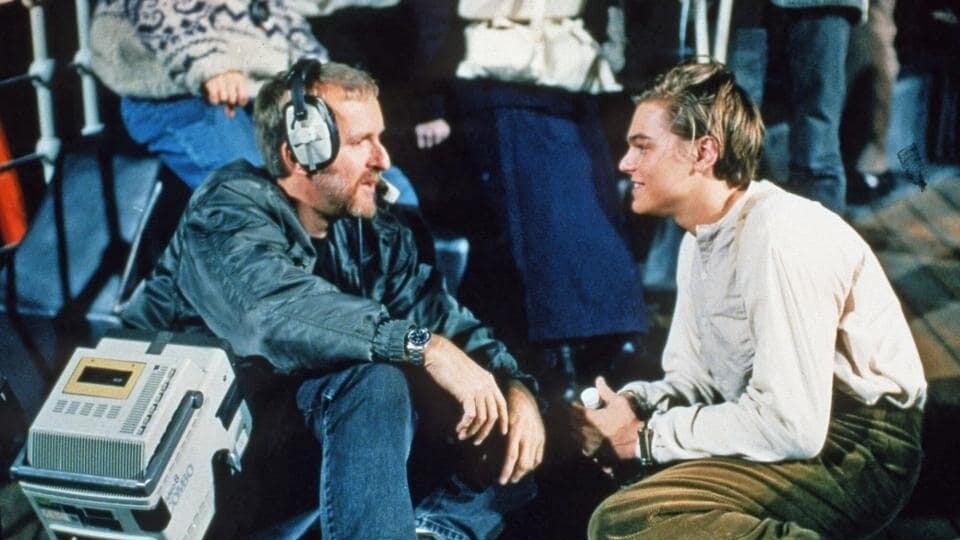
Deep beneath the ocean's surface, Cameron embarked on a journey nearly 13,000 feet below, meticulously examining the remnants of the ill-fated ship that claimed around 1,500 lives in 1912. Little did he know that as he resurfaced, an unprecedented tragedy was unfolding on American soil.
On that fateful day, September 11, 2001, Cameron concluded his voyage only to be confronted with the shocking news by actor Bill Paxton, who portrayed a treasure hunter in Cameron's film "Titanic."
In a state of disbelief, Cameron questioned, "What is happening?" Paxton responded, "It's the worst terrorist attack in history, Jim."
Paxton recounted the tragic events that had unfolded: airplanes crashing into the Twin Towers of the World Trade Center, causing immense devastation and claiming the lives of approximately 3,000 innocent people. The shocking attacks reverberated across the nation.
Cameron, deeply affected by the news, later reflected, "I was likely among the last to learn about what had happened in the Western Hemisphere."
As the crew grappled with the magnitude of the tragedy, Cameron couldn't help but question the significance of their underwater exploration on such a fateful day. He wondered why they were delving into history while the world above ground was in turmoil.
"While the 9/11 terrorists were committing their heinous acts, I was exploring the Titanic," Cameron shared, contemplating the profound contrast. "I questioned why we were focusing on the past while the present was in turmoil."
The crew members, too, felt a shift in perspective. Bill Paxton, in an interview, described the surreal feeling of being like survivors amidst the chaos and tragedy unfolding on land.
In his subsequent documentary, "Ghosts of the Abyss," Cameron acknowledged the shift in their perception. He revealed, "We were all completely immersed in our work, thinking it was of utmost importance. And then this horrific event occurred, abruptly shifting our perspective."
Also Read | Bone-chilling scene from James Cameron's ‘Titanic’ resurfaces amid search for missing submersible
The following day, the expedition seemed inconsequential in light of the immense tragedy. A crew member echoed this sentiment, remarking that the project no longer felt significant.
However, amidst the confusion, Cameron came to a profound realization. He understood that his film "Titanic" could provide solace and a channel for emotional release in the face of overwhelming loss. It allowed people to process their grief and grapple with the intertwined themes of love and tragedy.
In the midst of the chaos and heartache of 9/11, James Cameron's dive into the Titanic wreckage took on a deeper meaning. It became a powerful symbol of resilience and a way for individuals to find solace and healing through art.


