
 E-Paper



Los Angeles wildfires: How hydrants ran ‘completely dry’ amid raging flames
The series of fires that started spreading on Tuesday continue to ravage southern California, leaving a trail of devastation across LA, home to Hollywood.

 Prefer HTon Google


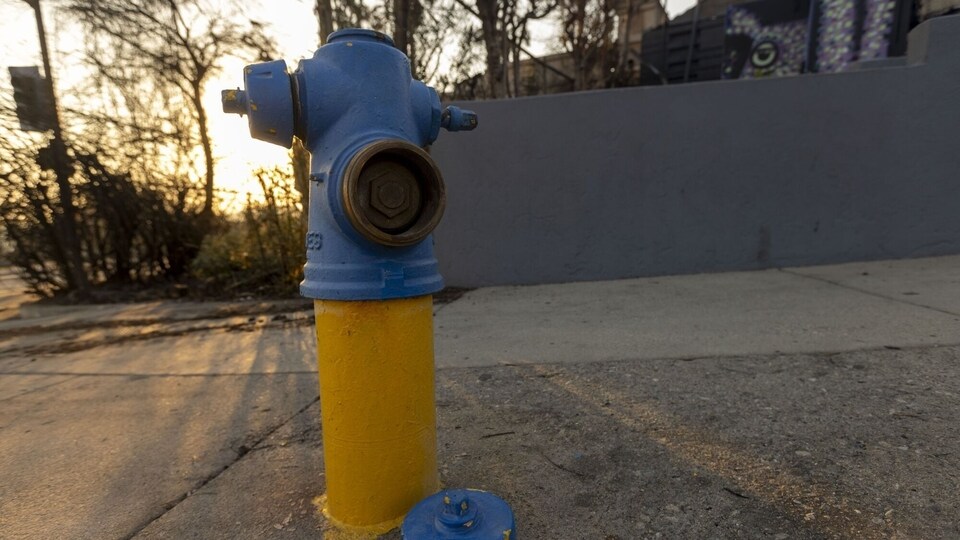
With scores of firefighters struggling to douse the series of blazes in Los Angeles wildfires, hydrants running ‘completely dry’ posed a devastating challenge to the operations which have been underway since Tuesday in the Californian city housing Hollywood and posh celebrity residences.
The series of fires that started spreading on Tuesday continue to ravage southern California, leaving a trail of devastation across the Los Angeles area, which is home to America's film industry.
Thousands of structures, included houses belonging to Hollywood celebrities, have been reduced to ashes in the fires that were spread by dry and strong ‘Santa Ana’ winds.
Probe into dry hydrants
California Governor Gavin Newsom ordered a state investigation into Los Angeles agencies overseeing the city’s water systems after fire hydrants ran dry, hampering efforts to protect homes from deadly wildfires.
A 117 million-gallon (440 million-liter) reservoir was out of service and some hydrants ran dry, according to an Associated Press report, a development that Newsom called “deeply troubling.” Meanwhile, Los Angeles Fire Chief Kristin Crowley said city leadership failed her department by not providing enough money for firefighting.
Also Read: California wildfires: What sparked the blaze? Investigators explore multiple causes
“When a firefighter comes up to a hydrant, we expect there’s going to be water,” Crowley said.
In a letter to the Los Angeles Department of Water and Power and the Los Angeles County Public Works Department, Newsom stated, “While water supplies from local fire hydrants are not designed to extinguish wildfires over large areas, losing supplies from fire hydrants likely impaired the effort to protect some homes and evacuation corridors. We need answers to how that happened.”
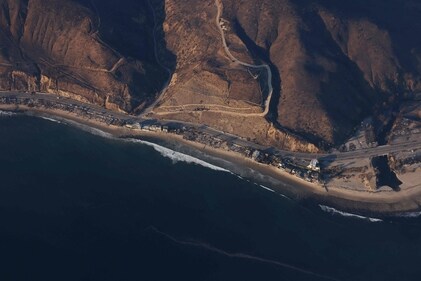
The governor also highlighted reports that a reservoir in Pacific Palisades ran dry during the fire, leading to a drop in water pressure for essential hydrants.
The ongoing wildfires, which have caused widespread destruction in Los Angeles, are on track to become one of the costliest disasters in US history. Over 10,000 structures have been destroyed, and at least 10 people have died, with the death toll expected to rise.
Why hydrants ran dry
Capt. Kevin Easton and his team had already battled the fire for hours when, around midnight, the water lines began sputtering. Soon after, the hydrants were completely dry.
“Completely dry — couldn’t get any water out of it,” an NYT report quoted as saying Easton, describing the frustration that continued into the following day as homes in the Palisades Highlands burned.
Officials cited in the New York Times report explained that the failure stemmed from an outdated water system designed for typical use, but not capable of handling the immense and sudden demand posed by fast-moving wildfires.
Also Read | California wildfire: Burning Los Angeles looks ‘apocalyptic’ in scary visuals
“We are looking at a situation that is just completely not part of any domestic water system design,” the report quoted Marty Adams, a former general manager and chief engineer at the Los Angeles Department of Water and Power, which delivers water to nearly 40 lakh residents of Los Angeles.
The storage tanks and pumping systems for high-elevation areas like the Highlands were overwhelmed by the rapidly spreading fire.
Municipal systems are typically built for firefighters to access multiple hydrants simultaneously to maintain a steady flow of water. However, these systems falter when wildfires, intensified by dry brush and steep terrain, strike entire neighborhoods, as seen in the Los Angeles devastation.


