
 E-Paper



Lunar New Year celebrations amid Covid-19 pandemic in pictures
The most unique feature of this year's festivities is the strict use of masks to contain the spread of the coronavirus.


The Lunar New Year, most commonly associated with the Chinese New Year and Spring Festival has kicked off today. As per the Chinese zodiac, this is the year of the Ox, bidding farewell to the year of the Rat.
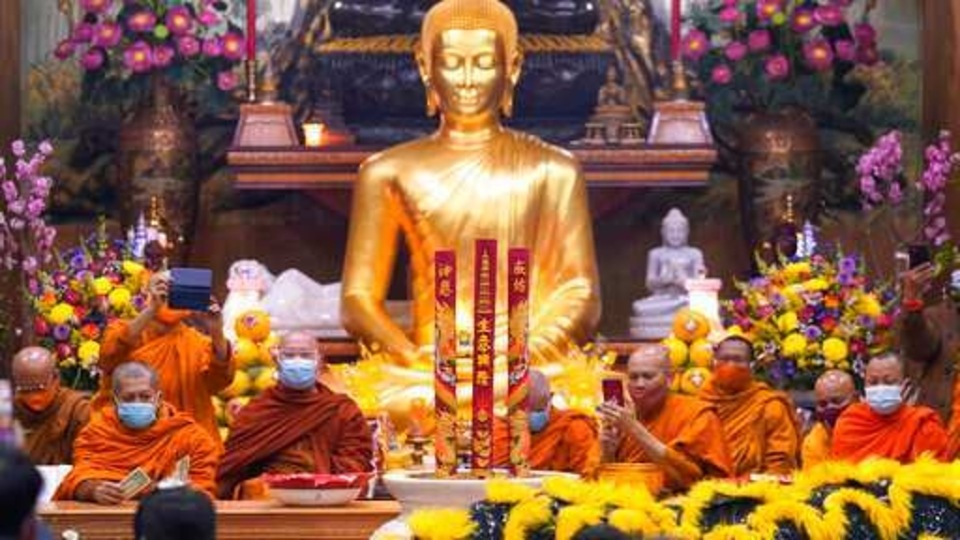
The Lunar New Year is celebrated to mark the first new moon of the lunisolar calendars followed by Asian countries like China, South Korea and Vietnam. The lunisolar calendar, as the name suggests, is driven by the cycles of moon and sun. A solar year — the time it takes Earth to orbit the sun — lasts around 365 days, while a lunar year, or 12 full cycles of the Moon, is roughly 354 days. In the Jewish lunisolar calendar, a month is still defined by the moon, but an extra month is added periodically to stay close to the solar year.
Also Read | In Wuhan, last-minute shopping and a return to normal on Lunar New Year eve
In China, the new year brings with itself 15 days of festivities beginning with a reunion family feast of traditional food on the new year's eve and culminating with a Lantern festival.
The traditions of the festival involve the famous dragon and lion dance, gifting money wrapped in red envelopes, calligraphy — Chinese letters hung in a diamond-shaped red paper to signify the arrival of good luck and fireworks.
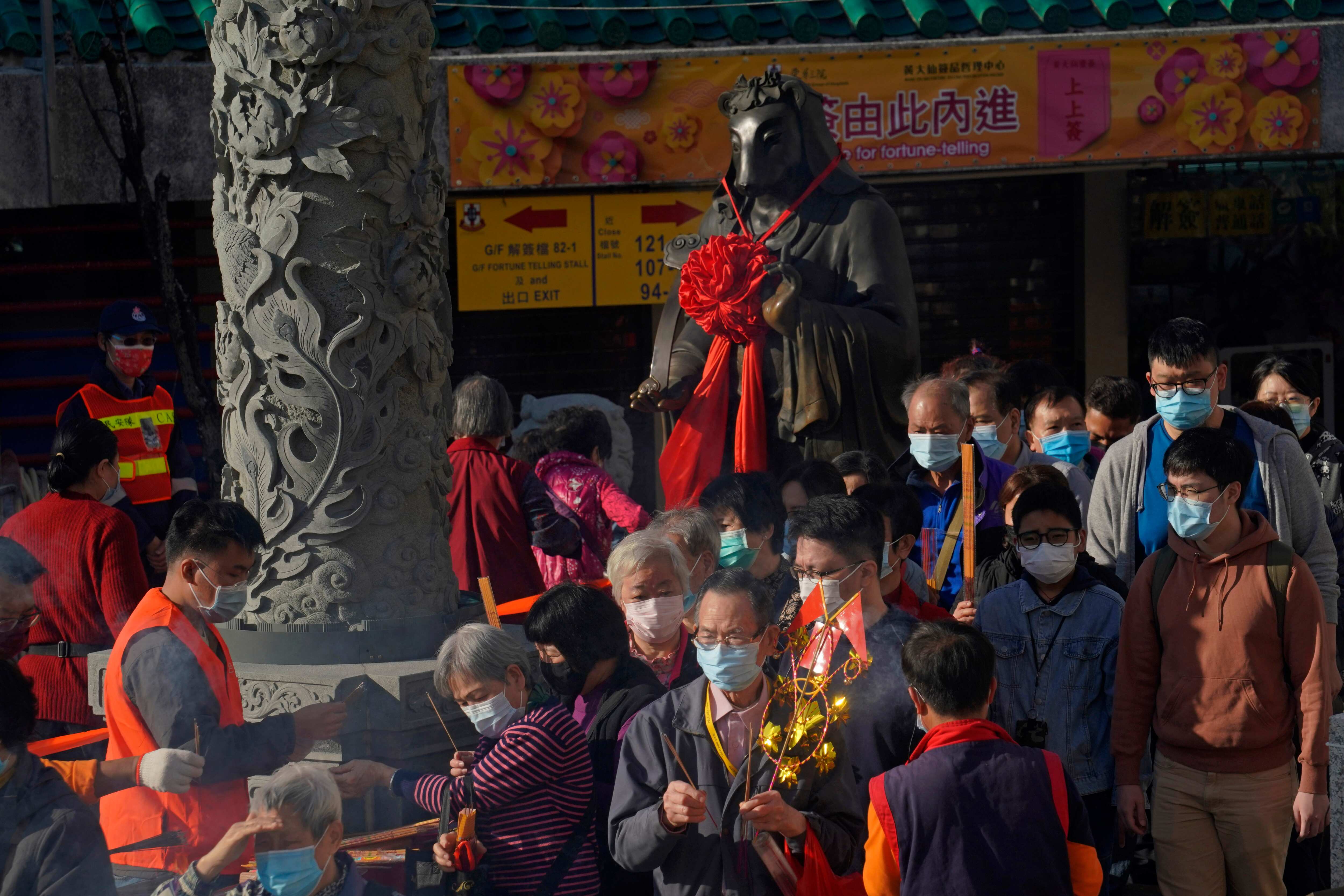
"The ox, in Chinese culture, is a hardworking zodiac sign. It usually signifies movements so, hopefully, the world will be less static than last year and get moving again in the second half of the year," CNN quoted a Hong Kong-based feng shui master as saying.
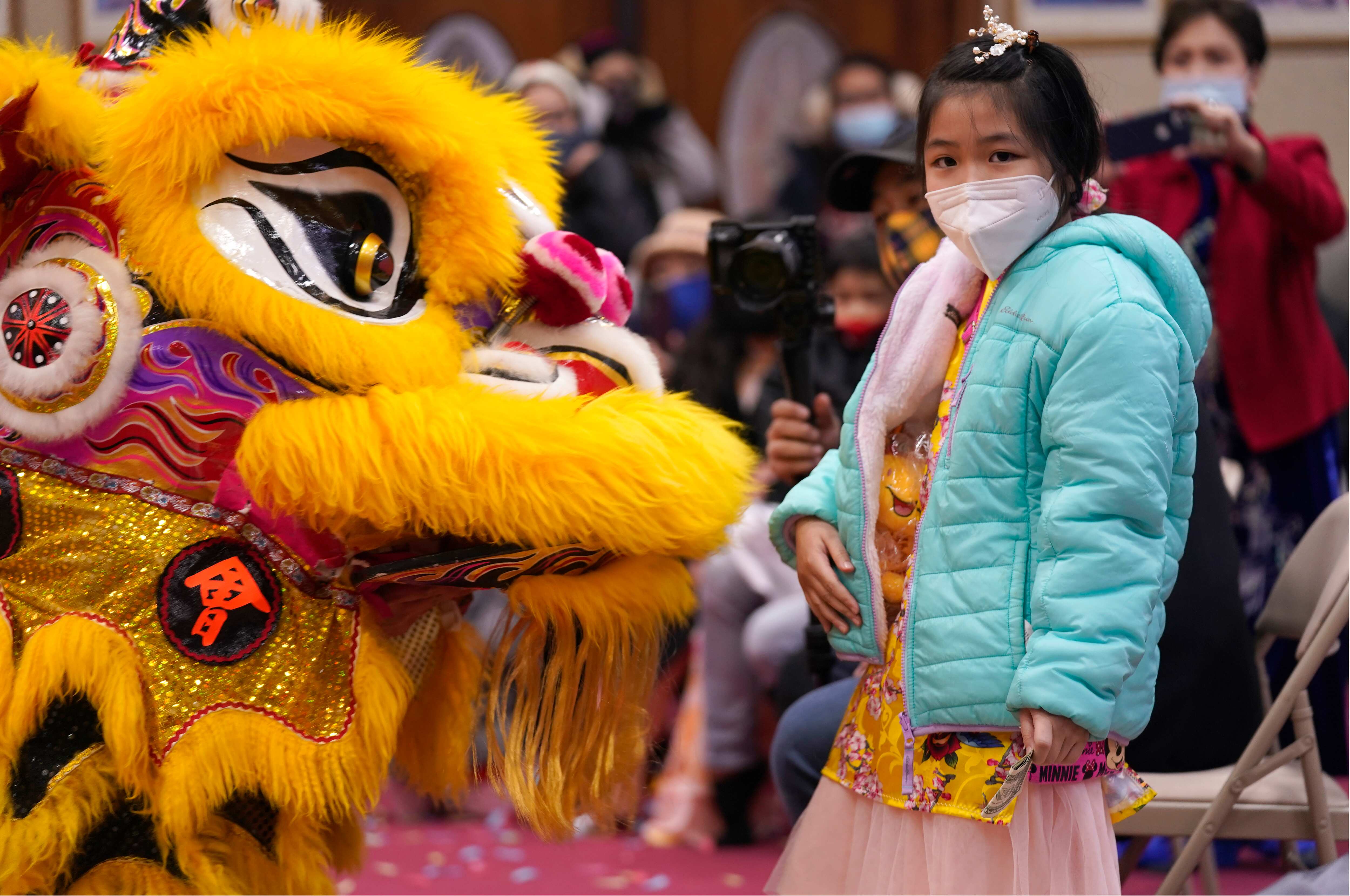
The colourful flying lion dance takes place in streets on the tunes of drums and cymbals playing out the Nian mythology. As per the Nian mythology, a lion-like monster is believed to have arisen from the sea with the hunger for the human flesh on the new year, legends say.
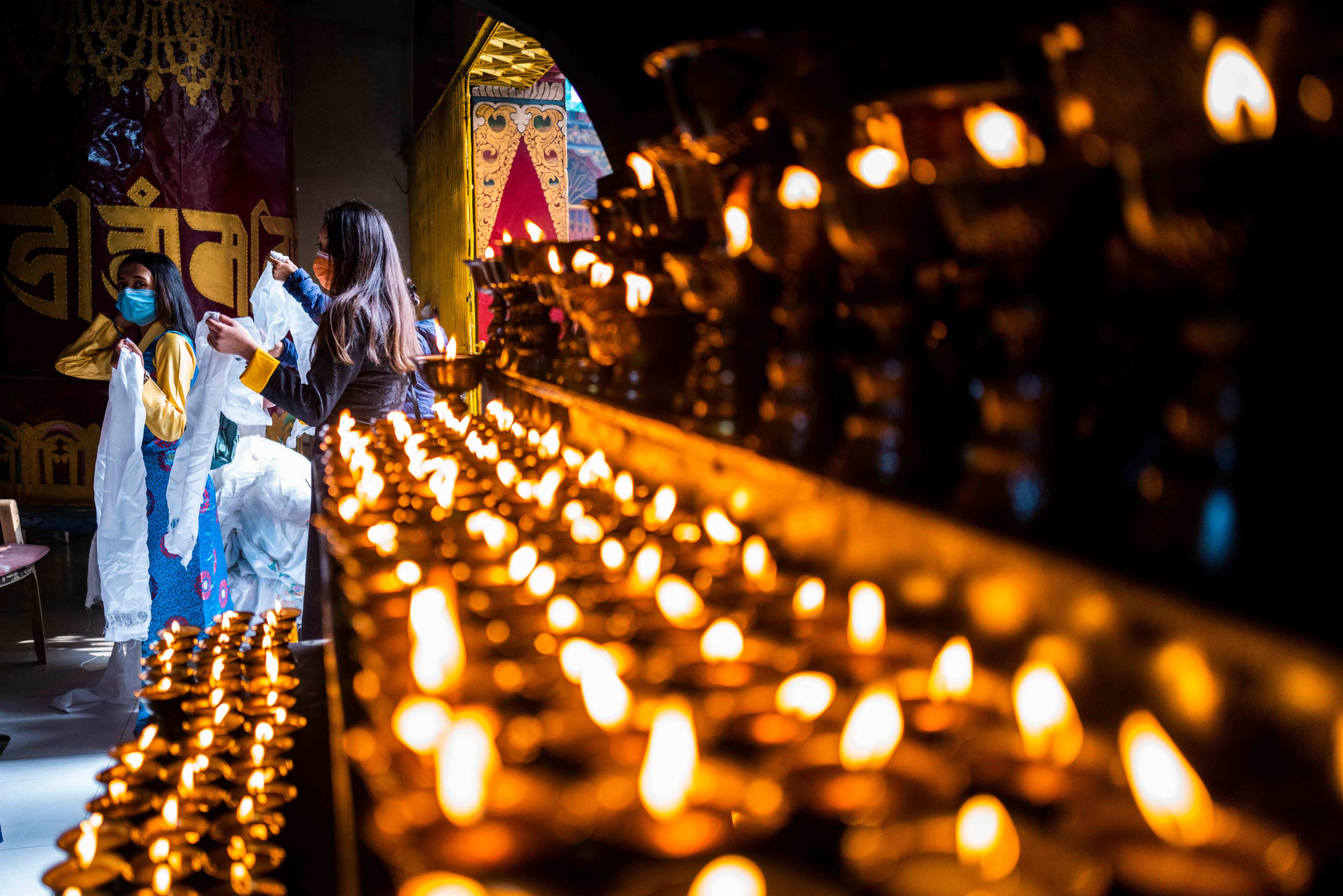
In Tibet, the festival is known as Losar. Tibetans in exile celebrated the first day of Losar in parts of India, mostly Dharamshala in Himachal Pradesh and welcomed the Iron OX year 2148. The Central Tibetan administration celebrated the new year with offering prayers at the head office of the Tibetan government in exile in Dharamshala, due to the pandemic, as reported by ANI.
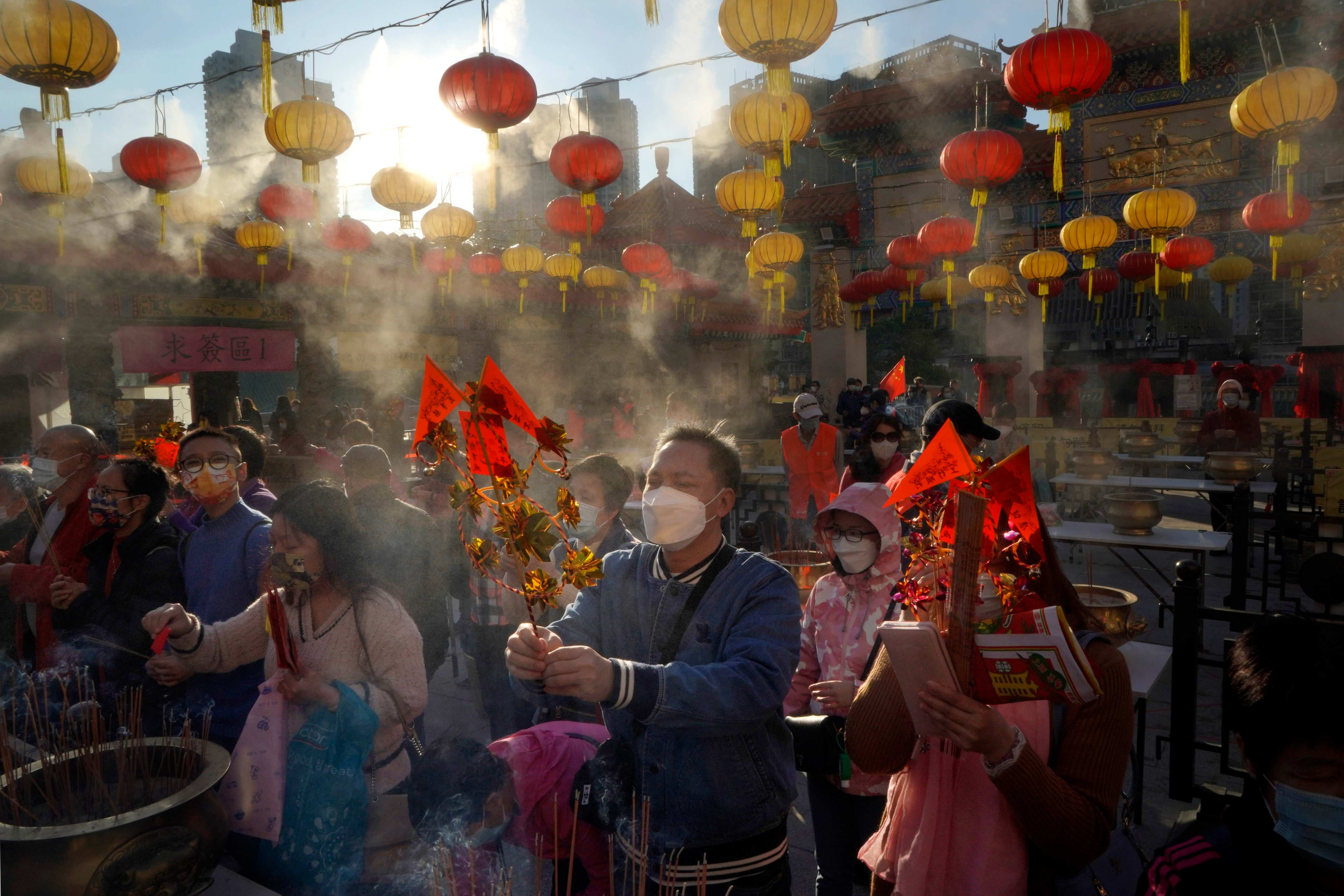
The most unique feature of this year's festivities is the strict use of masks to contain the spread of the coronavirus. This is the second Lunar New Year that China is celebrating under the presence of the deadly virus that was first reported in Wuhan in 2019. Worshippers visit temples to light incense and pray to their deities for good luck, wealth and health.


