As Pakistan becomes a central figure in the ongoing war between the United States and Iran, the country itself is not shielded from the consequences of the West Asia conflict. According to local reports, the fuel prices in Pakistan are surging so much that the government there is considering unfreezing prices of some petroleum products.
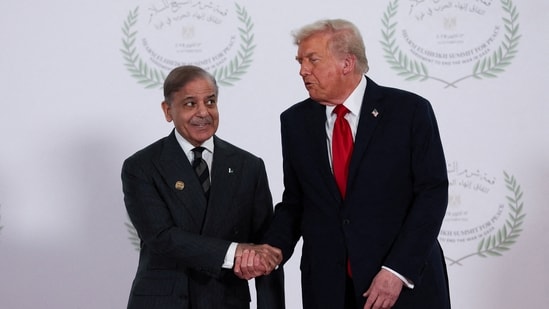
Pakistan Prime Minister Shehbaz Sharif said on Tuesday in a social media post that the country was "ready" to be the host to facilitate talks between Iran and the US. While the entire world looks for signs of de-escalation between the two countries engaged in a war, along with Israel which is backing the US, a stop to the war is also in high interest of Pakistan.
Also read: Nuclear disarmament, Hormuz opening: Inside Trump's 15-point ceasefire plan to end Iran war
According to senior Pakistani journalist Shams Kerio, if negotiations between Iran and the US are not fruitful, it could lead to increase in petrol prices there which, in turn, would lead to a huge loss and the poor “would not be able to eat”.
“If you look at the agricultural sector, it has become so expensive that you can’t buy DAP or Urea. There is no wheat, no cotton, no sugarcane... if the price of petrol increases, poverty will increase even more. We will go down so much that it will take 50 years for Pakistan to rise again,” Kerio told news agency ANI.
{{/usCountry}}“If you look at the agricultural sector, it has become so expensive that you can’t buy DAP or Urea. There is no wheat, no cotton, no sugarcane... if the price of petrol increases, poverty will increase even more. We will go down so much that it will take 50 years for Pakistan to rise again,” Kerio told news agency ANI.
{{/usCountry}}Also read: LPG supply to be snapped for those refusing PNG switch where available: Govt
Pakistan to ‘unfreeze’ fuel prices?
Due to ongoing West Asia conflict, the jet fuel and kerosene prices in Pakistan have skyrocketed without any formal announcement, according to a report by local newspaper Dawn.
The report said that the prices of jet fuel (JP-1) were raised by ₹84 a litre, making it ₹472 from ₹388, which came into effect last week on Saturday, March 21. Looking further back, the prices have increased around 150 per cent from ₹190 per litre since March 1. The kerosene prices have also increased by ₹71 per litre to Rs429 per litre from Rs358 per litre in a week, according to the report.
However, so far, the petrol and high-speed diesel prices have not witnessed any major surge in Pakistan in the recent week, particularly after the Sharif-led government put a freeze in place on the prices of both the fuels post an initial surge of Rs55 per litre each. To cushion the impact of price revisions, the Pakistani government allocated around ₹69 billion in subsidies
Though some officials cited in the report said that such a freeze may be not sustained for long as the review of two IMF programmes remain in abeyance for over two weeks.
“You cannot postpone inflation artificially for long; the more you delay price adjustments, the greater pain you build for the future,” an official said.