
 E-Paper



‘Not the case everywhere’: WHO on monkeypox outbreak among gay men
The WHO last month floated the idea of changing the name of the monkeypox virus, which is related to the eradicated smallpox virus.

 Prefer HTon Google


A senior World Health Organization (WHO) official on Tuesday flagged concern about the stigma and discrimination around Monkeypox which has now been declared as a public health emergency of international concern (PHEIC) by the UN health agency. Dr Rosamund Lewis, WHO Technical Lead on Monkeypox, told a press briefing in Geneva that the stigma avoided as it would harm the response to the disease. (Also Read | New York asks WHO to re-name monkeypox: ‘We have a growing concern for…’)
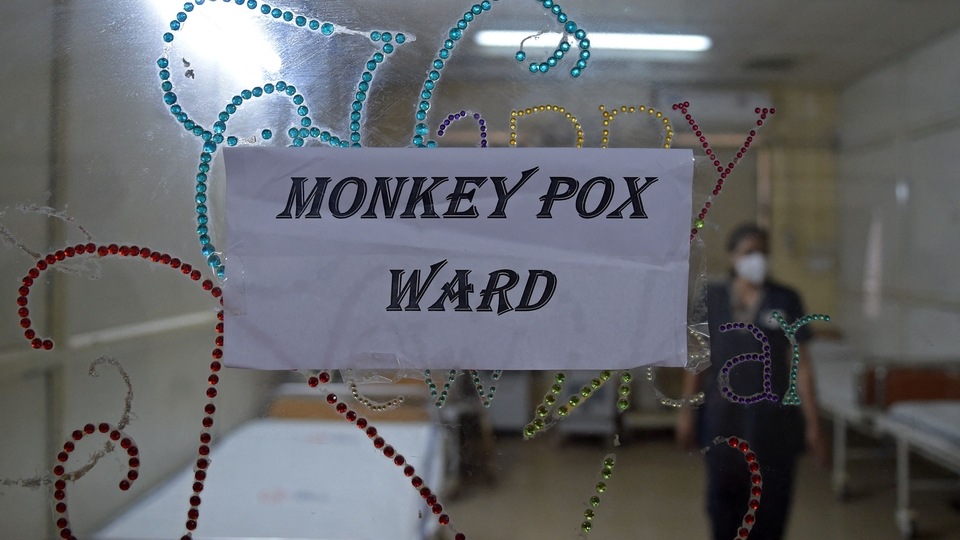
"At the moment the outbreak is still concentrated in groups of men who have sex with men in some countries, but that is not the case everywhere," Lewis said.
"It is really important to appreciate also that stigma and discrimination can be very damaging and as dangerous as any virus itself," she added.
Over 16,000 confirmed cases of Monkeypox have been reported this year in more than 75 countries and the WHO official believed the real number was probably higher. She, however, stressed that the rapidly spreading Monkeypox outbreak can be stopped with the right strategies.
"We do at this moment still believe that this outbreak of Monkeypox can be stopped with the right strategies in the right groups," Lewis said.
One of the key strategies highlighted by the WHO official was increase in production for smallpox and Monkeypox diagnostics, vaccines or therapeutics by countries with manufacturing capacity.
Monkeypox is contracted as a result of prolonged personal contact, including sexual contact, with an infected individual or coming into contact with their contaminated belongings.
“This shouldn’t be something that scares people, but it’s something they should know is out there, like sexually transmitted diseases. People should be well informed about what it is and what the risks are, and should contact their doctors as soon as they have any of the symptoms,” said Dr Cristina Mussini, director of the Infectious Disease Clinic at the University of Modena and Reggio Emilia, Italy, as quoted by WHO.
(With ANI inputs)


