
 E-Paper



Pakistan hit record high inflation of 38 per cent, bypasses Sri Lanka
While the inflation in India stands at 4.7 per cent in May 2023, Pakistan has broken all records and has the highest inflationary pressure in Asia.

 Prefer HTon Google


With Pakistan reluctant to satisfy the IMF conditionalities and staring at a sovereign default if financing program expires end-June, the Shehbaz Sharif government is between a rock and a hard place as the Islamic nation has recorded its highest inflation numbers since records were kept in 1957. Today, Pakistan has left Sri Lanka behind and has recorded the highest inflationary pressure in Asia at 38 per cent in May 2023. Inflation in Sri Lanka has come down to 25.2 per cent after Pakistan overtook Colombo in April 2023.
While Pakistan has always boxed way above its weight category, first due to support from the US in the past century and now China, and tried to compare itself with India, the inflation rate under the Narendra Modi government stands at 4.7 per cent, lowest since October 2021, and the food inflation is just 3.8 per cent. The food inflation in Pakistan is 48.7 per cent in May up from 48.1 per cent in April.
The Pakistan government’s negotiations with the IMF have got further skewed after IMF mission chief Nathan Porter went on record stating that he hoped that the current political crisis in Pakistan was resolved in line with the Constitution and the rule of law. This statement was slammed by Pakistan Defence Minister Khawaja Asif, who found Porter’s statement tantamount to meddling in political affairs of Pakistan. Minister Asif took umbrage to Porter commenting on domestic politics of Pakistan rather than giving the much required USD 1.1 billion-dollar loan to the Islamic nation.
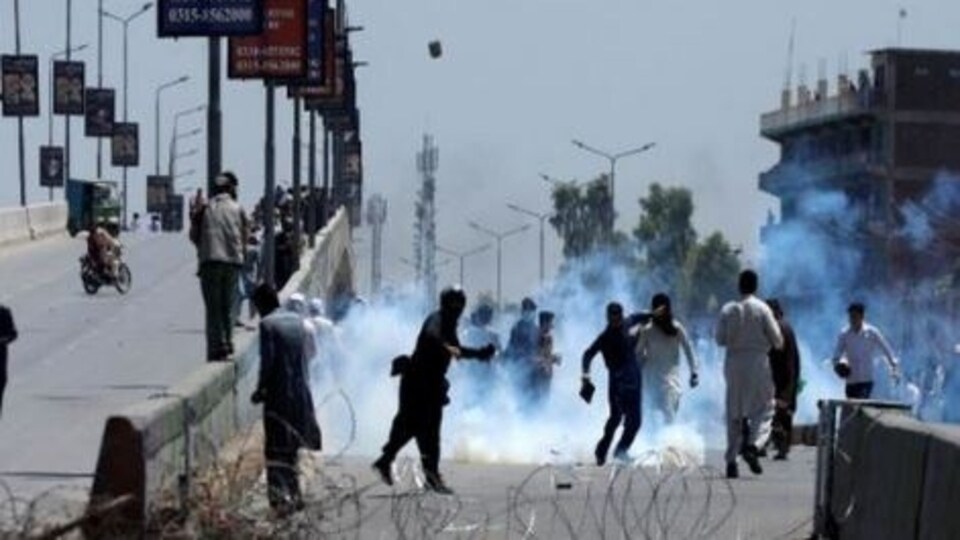
While the Pakistani leadership feels that mentor China will come to its financial support if the economic situation goes south due to no IMF board meeting this month, the crisis in the Islamic nation is far deeper than what appears with the nation being polarized by May 9 mayhem and violence by PTI chief Imran Khan Niazi’s supporters. Due to Niazi’s continuous attacks on the Pakistan Army establishment, the general public doubts even the capacity of Rawalpindi GHQ to stem the deep rot within as the Army itself was found divided on May 9 with the PTI supporters torching the Jinnah House residence of the powerful Lahore Corps Commander. With Pakistan judiciary, political leadership and the Army pulling in different directions, the Islamic nation is on its knees with insurgencies rising in Balochistan, Sindh and Tehreek-e-Taliban, Pakistan targeting the armed forces in the heart of Punjab and Khyber-Pakhtunkhwa provinces.
Rather than focusing on how to co-opt Kashmir, trigger Khalistan in Indian Punjab and create strategic space in Afghanistan, the Shehbaz Sharif government should get its act together and focus internally to arrest Pakistan from hitting the rock-bottom.


