Pakistan’s plan to trim its deficit by slashing spending may not be enough to convince the International Monetary Fund to resume its loan program, according to economists at Citigroup Inc.
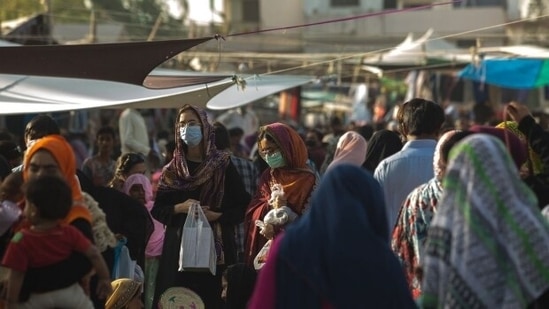
The tax-to-GDP ratio is budgeted to rise to 9.2% of gross domestic product in the year starting July 1 from 8.6%, which seems low versus Pakistan’s emerging market peers and its own history, Johanna Chua and Gaurav Garg wrote in a note to clients Monday. Interest payments are estimated to consume about 44% of revenue.
Also read: On Prophet row, Pakistani social media handles spread maximum fake news: Report
“We await further fund feedback,” Chua and Garg wrote, before meetings due this month between IMF staff and Pakistani officials.
Pakistan is seeking an immediate disbursement of $900 million from the IMF, to help avert a potential default. Surging food and fuel prices have stoked Asia’s second-fastest inflation and debt repayments eroded Pakistan’s foreign-exchange reserves to below $10 billion as of June 3, or enough to cover less than two months of imports.
Also read: Taliban to act against Pak LeT/JeM terrorists in Afghanistan on specific intel
{{/usCountry}}Also read: Taliban to act against Pak LeT/JeM terrorists in Afghanistan on specific intel
{{/usCountry}}Pakistan needs at least $41 billion in the next 12 months, according to Finance Minister Miftah Ismail, which analysts including Saad Khan from IGI Securities Ltd. anticipate will be met but only barely.