
 E-Paper



Russia slides towards default as payment deadline expires
A grace period on about $100 million of missed bond payments - blocked because of wide-ranging sanctions - was set to end on Sunday night, fast approaching as this paper was going to print.

 Prefer HTon Google


Russia edged closer to default on Sunday amid little sign that investors holding its international bonds had received payment, heralding what would be the nation’s first default in decades.
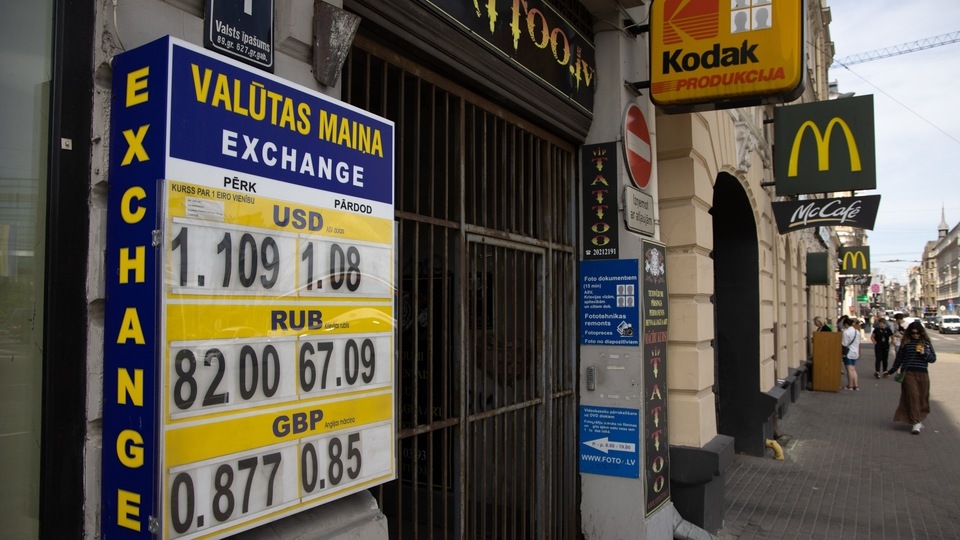
A grace period on about $100 million of missed bond payments - blocked because of wide-ranging sanctions - was set to end on Sunday night, fast approaching as this paper was going to print.
There won’t be an official declaration, and Russia is already disputing the designation, but if investors don’t have their money by the deadline, there will be an “event of default” on Monday morning, according to the bond documents.
It’s largely a symbolic development for now, given that Russia is already an economic, financial and political outcast across most of the world. But it showcases how the US, Europe and others have tightened the screws since the invasion started in February to make it all-but impossible for Russia to conduct what would otherwise be normal financial business.
For Russia, it will mark its first foreign default since the Bolshevik repudiation of Czarist-era debts in 1918. The country tipped very near to such a moment earlier this year, but managed a last-ditch escape by switching payment methods.
That alternative avenue was subsequently shut off in May - just days before the $100 million was due - when the US closed a sanctions loophole that had allowed American investors to receive sovereign bond payments.
Now the question is what happens next, as markets are faced with the unique scenario of a defaulted borrower which has the willingness and resources to pay, but can’t.
Major ratings agencies would usually be the ones to issue a default declaration, but sanctions bar them from Russian business. Bondholders could group together to make their own statement, but they may prefer to wait to monitor the war in Ukraine and the level of sanctions as they try to figure out the chance of getting their money back, or at least some of it.
As the penalties on Russian authorities, banks and individuals have increasingly cut off payment routes, Russia has argued that its met its obligations to creditors by transferring the May payments to a local paying agent, even though investors don’t have the funds in their own accounts. Earlier this week, it made other transfers in roubles, despite the fact that the bonds in question don’t allow that payment option.
Finance minister Anton Siluanov has cited “force-majeure” as a justification for the currency switch, calling the situation a “farce”.


