
 E-Paper



Sri Lanka forex down to USD 500 million, postpones local polls
With China still to come on board the IMF and Paris Club debt restricting analysis of Sri Lanka, the economic crisis is worsening in the Island Nation with US and Japan only hope for providing loan on arrears.

 Prefer HTon Google


With usable foreign exchange reserves plummeting to USD 500 million, the March 9 local elections have been postponed due to lack of funds even as there is no sign of China coming on board with IMF and Paris Club on debt restructuring for the Island nation. The new dates for local elections are expected to be announced on March 3.
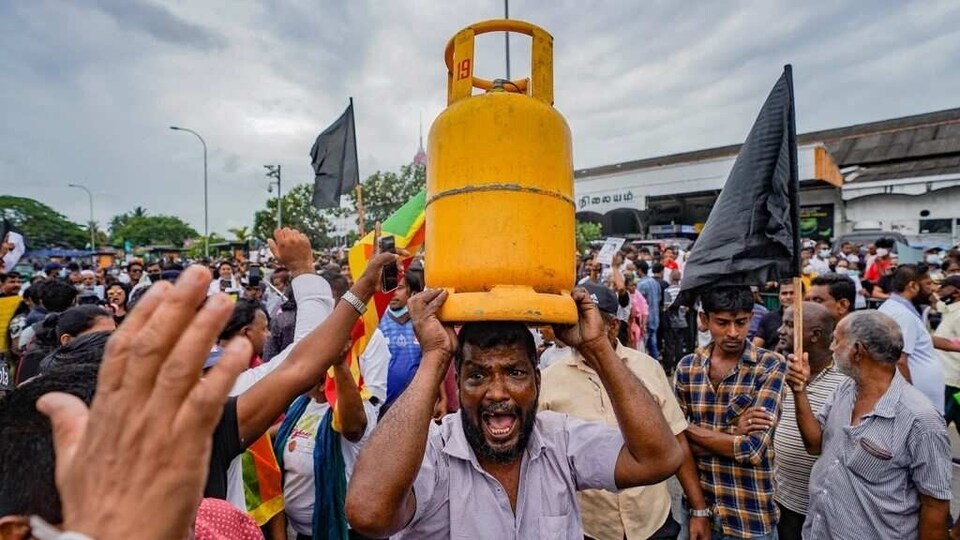
Although the Ranil Wickremesinghe government reveals a kitty of USD two billion as foreign exchange reserves, some USD 1.5 billion are from China as part of the balance of payments, which can either be used under very stringent condition or not if the country defaults on its debt payments.
The economic situation in Sri Lanka is quite critical with all eyes on US and Japan to push the IMF and Paris Club of creditors to bale out Colombo on loan on arrears as China is still to come on board on recommended debt moratorium and restructuring proposed by the Bretton Woods Institution. India on the other hand has offered full support to Sri Lanka on the basis of the IMF’s recommended debt sustainability analysis.
While Sri Lanka may be looking towards Beijing for financial support with a 10-year debt moratorium as proposed by IMF, China’s problem is that if it goes out of the way to support Colombo then it will also have to help a long list of nations on verge of loan default on the count of Belt Road Initiative (BRI) in Africa. Even with its favourite client state Pakistan, China has only refinanced USD 700 million worth of past debt without any grant in aid or taking a haircut to help out the Islamic Republic from the worsening debt crisis. According to the State Bank of Pakistan, the foreign exchange reserve of the Islamic Republic stands at USD 3.2 billion, apparently enough to cover three weeks of import.
The economic and political situation in both Sri Lanka and Pakistan is quite similar with the established political parties facing huge anti-incumbencies with leaders mired in corruption cases and deeds of misgovernance in the past. While in Sri Lanka a general election, if and when it happens, will lead to the revival of Left-wing parties, the situation in Pakistan is far worse as there is no viable political alternative to the current lot including once upon a rising star and now discredited Imran Khan Niazi. Just like in Pakistan, the politicians in Sri Lanka are also waiting and watching the unfolding political crisis as none want to get involved in the present mess.


