
 E-Paper



Sri Lanka keeps schools shut amid fuel crisis
Authorities also announced countrywide power cuts of up to three hours a day from Monday because they can't supply enough fuel to power generating stations.

 Prefer HTon Google


Sri Lanka extended school closures for one more week starting July 4 amid unprecedented fuel crisis, the education ministry announced on Sunday. The government and state-approved private schools will remain closed for a week as there's not enough fuel for teachers and parents to get children to classrooms.
The Sri Lankan minister said the school will cover the syllabus in the next vacation term.
Last month, the schools were shut nationwide for a day due to fuel shortages and remained closed in the urban areas for the last two weeks.
Sri Lanka education ministry announced that "all government and government-approved private schools in Colombo city limits, as well as schools in other main cities in the other provinces, will be closed during the next week due to prolonged power cuts," Daily Mirror reported.
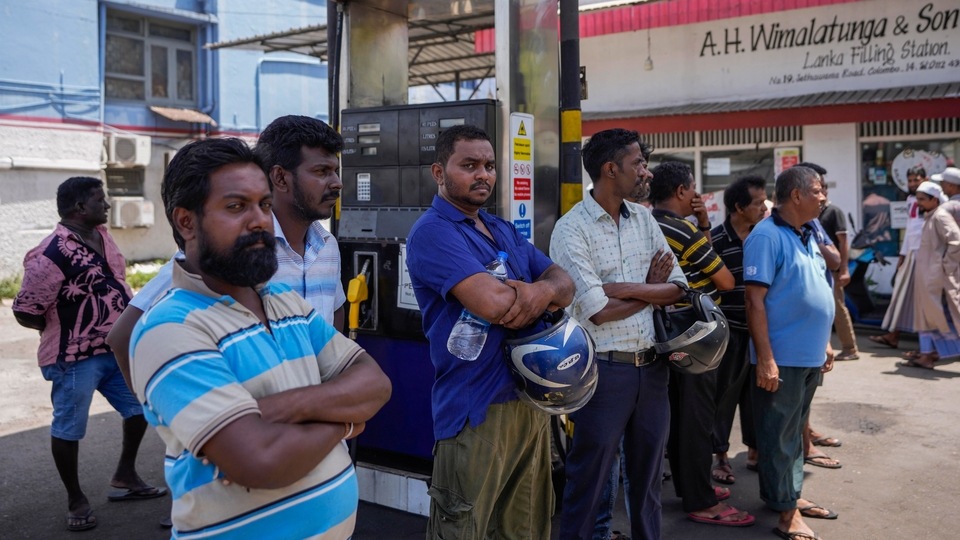
Sri Lankans struggle for petrol due to fuel shortage, demonstrations to continue
Country's education ministry secretary Nihal Ranasinghe asked the schools to conduct online classes. Meanwhile, the schools at the divisional level have been allowed to conduct classes with less number of students under conditions that transportation difficulties do not affect the students, teachers and principals.
Ranasinghe announced that the Public Utilities Commission of Sri Lanka (PUCSL) has agreed not to have power cuts from 08.00am to 01.00pm to facilitate online teaching on weekdays, the Daily Mirror reported.
Sri Lanka has been witnessing an unprecedented economic crisis since the country's independence in 1948. The economic crisis sparked protests and political unrest leading to the resignation of Mahinda Rajapaksa as Sri Lanka's prime minister.
The cash-strapped nation has been getting most of its fuel needs from neighbouring India, which provided it with a credit line. The Sri Lankan government said it was also negotiating with suppliers in Russia and Malaysia. The government has appealed to the Sri Lankan expatriates to send money home through the banks to pay for new oil purchases.
(With inputs from agencies)


