
 E-Paper



Talks to revive Iran nuclear deal to restart within days
Negotiations were abruptly suspended in March, after a year of erratic efforts to salvage the accord.

 Prefer HTon Google


Iran’s talks aimed at reviving the 2015 nuclear deal with the US will restart in the “coming days,” European Union foreign policy chief Josep Borrell Fontelles said.
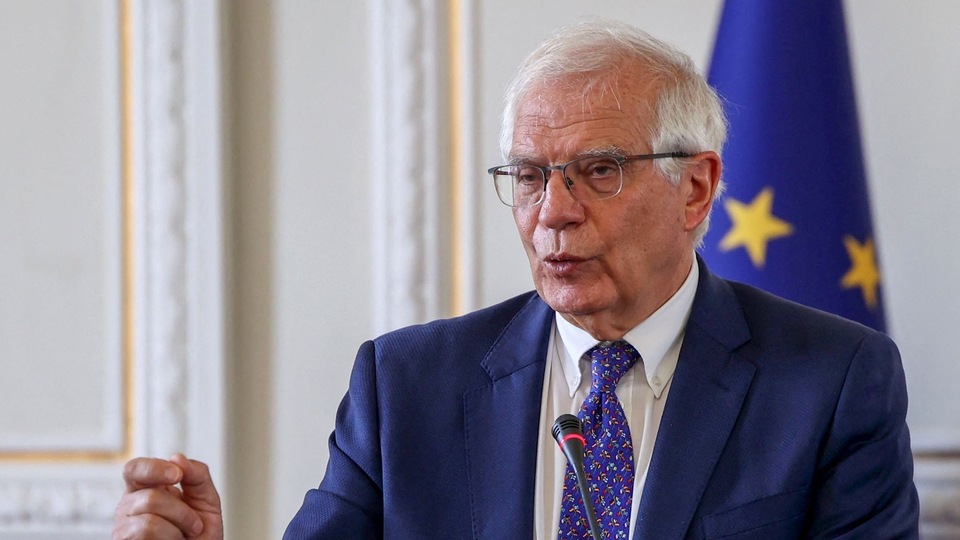
“We will resume the talks on the JCPOA in the coming days, and the coming days mean coming days. I mean, quickly, immediately,” Borrell said in a televised press conference with Iranian Foreign Minister Hossein Amirabdollahian in Tehran. The talks in Vienna are being facilitated by the EU, with indirect participation by the US.
Negotiations were abruptly suspended in March, after a year of erratic efforts to salvage the accord. The 2015 pact placed curbs on Iran’s atomic activities in exchange for easing some economic sanctions. President Donald Trump withdrew the US from the agreement in 2018, and reviving the deal could lead to a flood of Iranian oil returning to global markets and bring some relief from surging crude prices.
The negotiations “have to be finished, three months have passed,” Borrell said.
A chief sticking point has been Iran’s demand for the US to drop the designation of the Islamic Revolutionary Guard Corps as a foreign terrorist organization.
Iran’s Amirabdollahian reiterated his call to the Biden administration to take a “realistic and fair” approach to help reach an agreement.
Read More: How an Iran Nuclear Deal Could Affect Oil, Trade and Security
World powers are anxious to seal a return to the deal because in the absence of any constraints, Iran’s engineers have elevated the country’s capacity to quickly enrich uranium to levels close to what would be needed for a nuclear weapon. The country has always maintained its atomic program is peaceful, but the 2015 deal was forged amid suspicions over that claim.
The US pulling out of the Iran accord has increased tensions between the countries. More hardline leadership has since taken power in Tehran and there has been a spate of shipping and drone attacks in the Persian Gulf that has roiled energy markets and at times pushed the two countries close to military conflict.


