E-Paper



Trump’s Border Wall Is Back—And So Is His Fight With Texas Landowners
The cost of the border wall has ballooned since President Trump’s first term when he said it would cost $8 billion and Mexico would pay for it


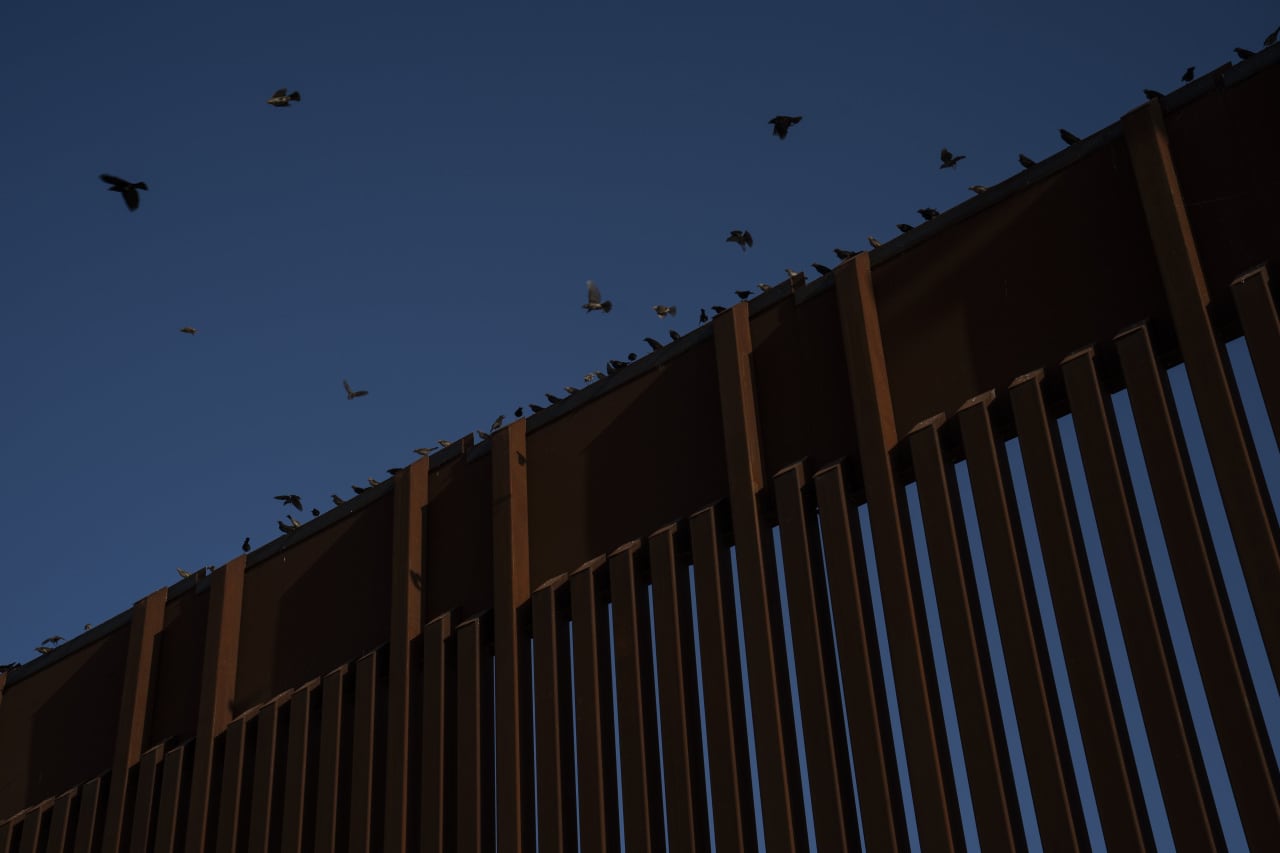
RIO GRANDE CITY, Texas—Orange survey flags waved in the wind as Alejo Clarke Jr. walked across the land he has hunted and fished all his life, but which is soon to be blocked off completely by an 18-foot border wall.
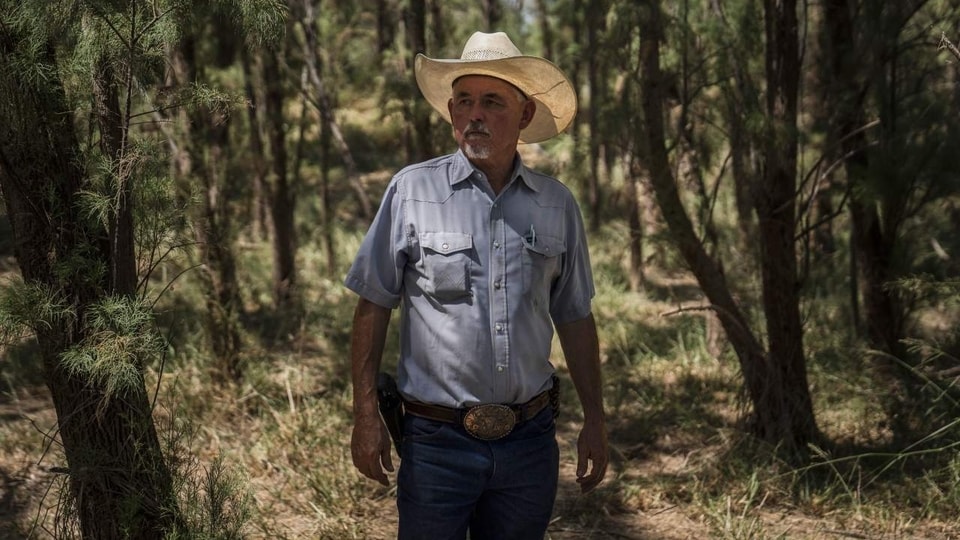
“This is the piece they want to take out of me,” said Clarke, who is fighting back against the government’s push to take control of his land. “My entrance y todo.”
President Trump’s border wall is back—and more expensive than his first term. Congress recently allocated $46 billion in taxpayer funds to pay for it.
Construction of the wall was a signature promise of Trump’s first term, when he said it would cost $8 billion and Mexico would ultimately pay for it. He ended up allocating $18 billion before leaving office in early 2021, mostly to rebuild stretches of wall on federal land in New Mexico and Arizona. Trump made little progress in Texas, where land to build wall must be seized from private owners.
Now that process is restarting, with money from Trump’s “One Big Beautiful Bill.” For South Texans, that means again grappling with a confusing and highly unpopular eminent domain process, in a region where many family ranches predate their inclusion in the U.S. and rely on access to the Rio Grande as their only source of water. Since Trump regained office, border encounters have fallen further to their lowest levels since the 1960s.
The government this year has filed dozens of eminent domain lawsuits against Texas landowners, continuing a process that began in the first Trump administration. The cases are complicated, often involving small patches of land with poorly-documented titles and generations of owners. One pending case, where the government is seeking to take just over one-tenth of an acre, lists 130 defendants, many of them “unknown heirs” of deceased former owners.
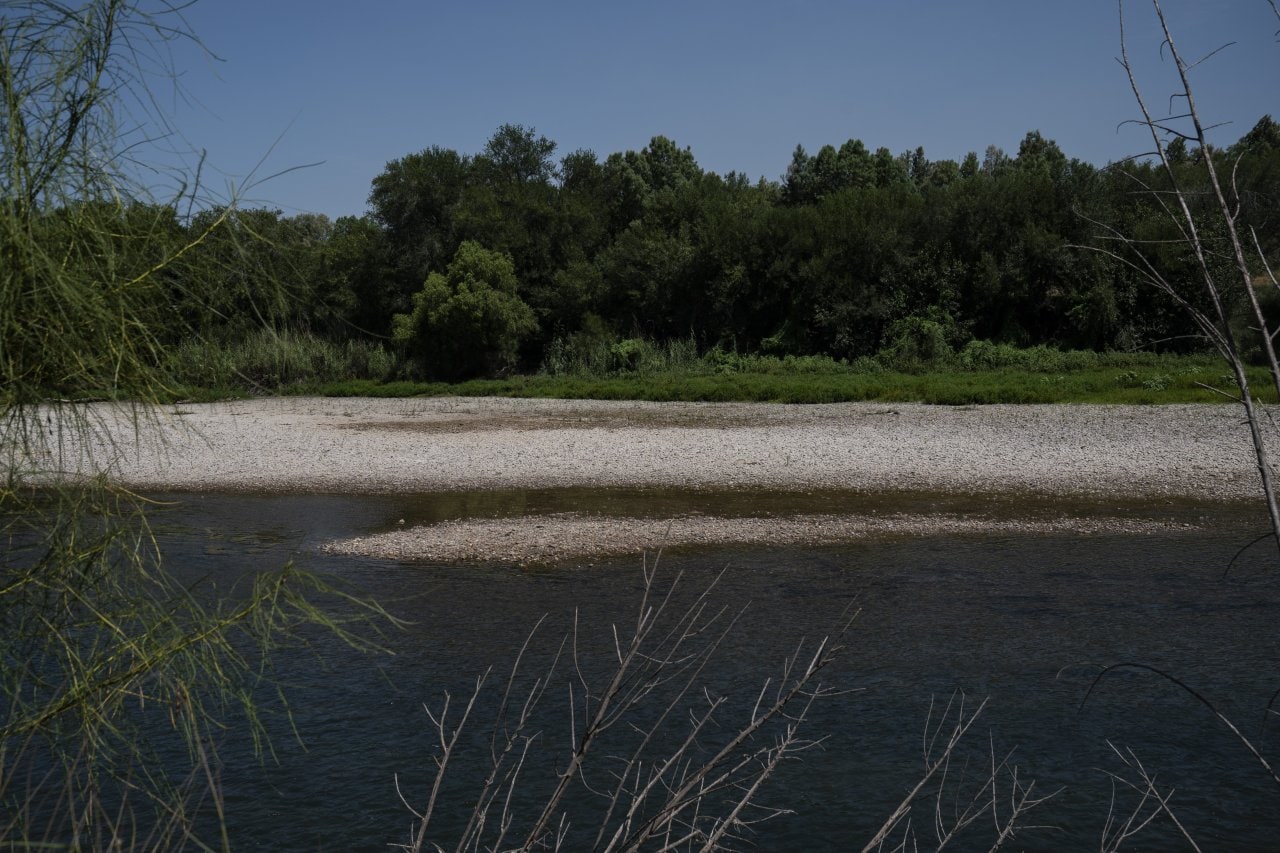
Low water levels in the Rio Grande as seen from El Refugio, Texas, near Rio Grande City last week.
Department of Homeland Security Secretary Kristi Noem called the completion of the border wall crucial to national security. “Successful mass deportations mean nothing if we don’t control the border and keep future illegal aliens out,” she wrote in a New York Post opinion column in June. “That’s why the BBB legislation also funds hundreds of miles of new border wall and water-based barriers in the Rio Grande, which will permanently secure the border for decades.”
White House spokeswoman Abigail Jackson said President Trump was elected based on his promise to secure the southern border and said a border wall is key to doing that permanently. “President Trump cares deeply about protecting American communities and securing our border while also ensuring the wall is built in the most safe and efficient way possible,” she said. The Department of Homeland Security didn’t respond to a request for comment.
Lawyers and landowners recognize that the government has broad authority to take land for national security purposes and resisting it is rarely, if ever, successful. Those like Clarke who fight the eminent domain cases do so either on principle, to delay the process in case political winds shift or to try to increase their compensation.
In Starr County, politics have been shifting rightward for several political cycles for what locals said are mainly economic reasons. In 2020, some who shifted their votes to Trump said they opposed the wall but didn’t consider it a factor because he hadn’t successfully built much in his first term.
Under former President Joe Biden, construction of the wall became “a messy landscape,” said Ricky Garza, border policy counsel for the Southern Border Communities Coalition. In some cases, the eminent domain process stopped and the government revested land to families. In other areas, construction of the wall continued—with shorter bollards, alongside reconstruction of flood levees—angering antiwall activists. The Biden administration faced lawsuits over use of funding already allocated for the wall.
Meanwhile, Texas began an effort to build its own border wall, across land the state purchased or obtained agreements for from owners. Crews working on lighting and camera systems along a stretch of new state wall on a recent afternoon were asked to clear out so a sorghum farmer leasing the field could spray pesticides.
Sorghum growing on the north side of the border wall in La Casita-Garciasville, Texas.The state of Texas has been funding a border wall near Rio Grande City.
Some 200 miles upriver, in Eagle Pass, the state of Texas installed a floating buoy barrier in the Rio Grande. Now, the federal government is following suit. Last month, Noem signed a waiver to expedite installation of 17 miles of a “waterborne barrier” near Texas’ southernmost tip.
Clarke, a 58-year-old Starr County native, was among those who fought the government’s taking of his land under the first Trump administration only to see it returned to him under Biden. Previously, Clarke tried to argue for his property himself in court, but with only a seventh-grade education he said he found himself over his head.
This time, he hired a lawyer, though he says he’ll struggle to afford it. The government is offering just $3,000 for the acre it plans to take, leaving the rest of the 9-acre tract south of the wall. He’s also angry about the billions allocated, which he said would be better spent helping the region manage a water crisis that is crippling farms.
“I’m not gonna beat Trump—you know it and I know it,” Clarke said, adding that security hasn’t been a problem on his property. “But if someone is going to kick your butt, are you just going to lie down?”
Farming equipment on the south side of the state-funded border wall in La Casita-Garciasville.
Some in South Texas said they were ambivalent about the wall, or simply viewed its construction an unavoidable reality. Osvaldo Garcia, a local elementary school principal, said his neighbors met to strategize during the first Trump administration when efforts moved forward to build a stretch of wall and access road behind the brushy backyards and swing-sets of their quiet neighborhood. Now, with the efforts restarting, Garcia said he hopes the government will at least hire local workers and be sensitive to bright lights along the wall shining into people’s windows.
His neighbor Cynthia Garza, a nurse, said she has never seen immigrants cross her property but regularly sees emergency room visits from those who injured themselves climbing over the wall, convincing her that it isn’t effective. Garza worries about the impact of blocking animals from the only significant nearby water source.
“It just feels like we’re misallocating money,” Garza said.
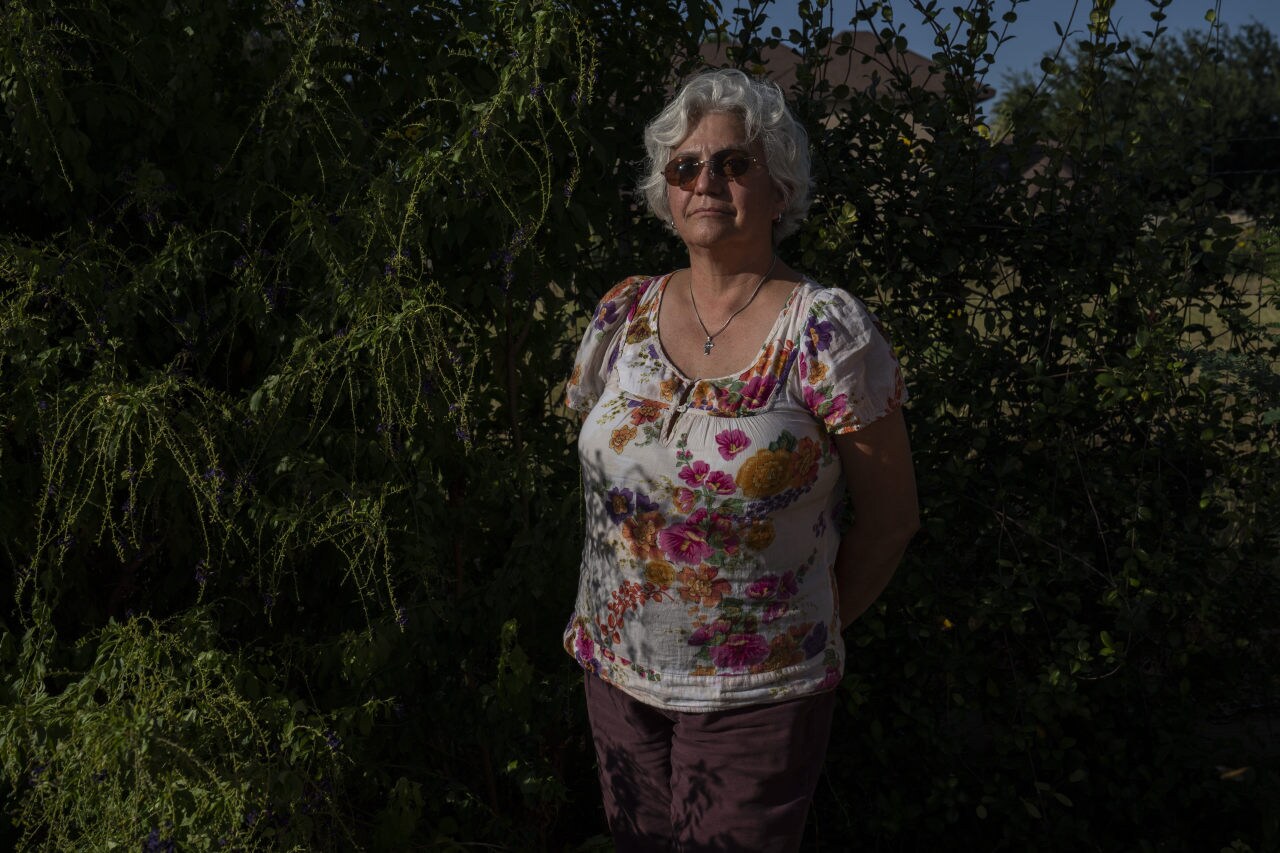
Cynthia Garza says she has never seen immigrants crossing her property in Rio Grande City, near where a new stretch of wall will be built.
Raquel Oliva has shelves filled with research into her family’s history and the Starr County land where they have grown tomatoes, cotton, hay and other crops since 1798. Recently, binders of border-wall legal documents have joined the shelves.
Following an eminent domain process over a border-access road during the first Trump administration, the government filed proceedings in February to take over a strip of the family’s land for construction of a wall. While the government is seeking ownership over fewer than 3 acres, it would block off some 100 acres where the family farms, hunts and operates a gas well, said Oliva and her cousin, Lazaro Rodriguez.
Oliva, a 75-year-old retired nonprofit executive, avoided the cost of a lawyer by using AI to draft an objection to the government, describing the impact the wall would have on her family’s land. Oliva also requested a 16-foot access gate, an irrigation pipeline to the north side of the wall and more compensation.
Rodriguez and Oliva described themselves as political opposites—he’s right-leaning, she’s left-leaning—but both have been left with a bad taste in their mouths from the eminent-domain process.
“No one has a problem stopping illegal immigration or drugs, but we live on the border—it’s always been like this,” Oliva said. “Now it feels like an invasion of the government on us.”
Write to Elizabeth Findell at elizabeth.findell@wsj.com