
 E-Paper



UK launches app to keep this Asian ‘immigrant’ away
Reports state the Asian hornet was accidentally introduced in France in 2004 through a shipment of pottery from China, and then spread across western Europe.


A winged Asian “immigrant” has stirred such a hornet’s nest in the UK that officials on Tuesday launched a new app to prevent its spread and help ensure its eradication.
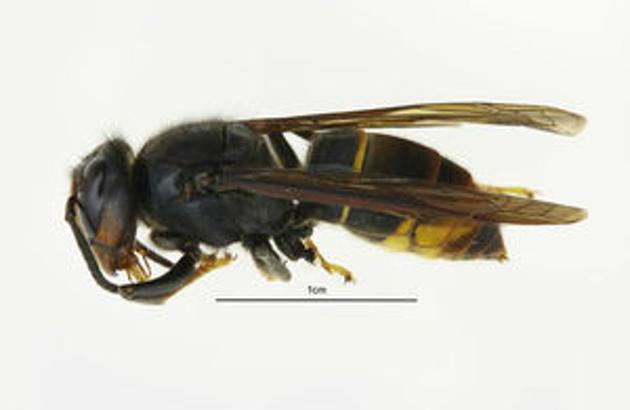
The cause for concern is the invasive Asian hornet, which was most recently sighted in Tetbury, Gloucestershire, in September 2016.
India is among the geographical distribution where the Asian hornet (vespa velutina) is known to live and thrive. It is not known how it arrived in Tetbury, but there are reports it was accidentally introduced in France in 2004 through a shipment of pottery from China, and then spread across western Europe.
The department for environment, food and rural affairs and animal and plant (Defra) launched the app called Asian Hornet Watch that will enable people to quickly and easily report possible sightings of the invasive species and send pictures of suspect insects to the National Bee Unit.
While the hornets pose no greater risk to human health than a bee, Defra said they are a “threat to our native honey bees”.
Officials said there were fears the “pest” could reappear this spring, so members of the public are being urged to report any sightings quickly to again allow inspectors to intervene.
The native European hornet is considered a valued and important part of the wildlife, “and queens and nests of this species should not be destroyed”, they added.
Asian hornets can be distinguished from their native counterparts by their abdomens, which are entirely dark except for a single band of yellow – native hornets’ abdomens are predominantly yellow.


