E-Paper



US defends curbs on vaccine raw material exports, Angela Merkel targets Indian pharma
The position taken by the US state department and the German leader caused consternation in official circles in New Delhi, though there was no formal response from Indian officials. India has raised with the US the need to lift restrictions imposed on the export of critical raw materials and equipment several times since February.

 Prefer HTon Google


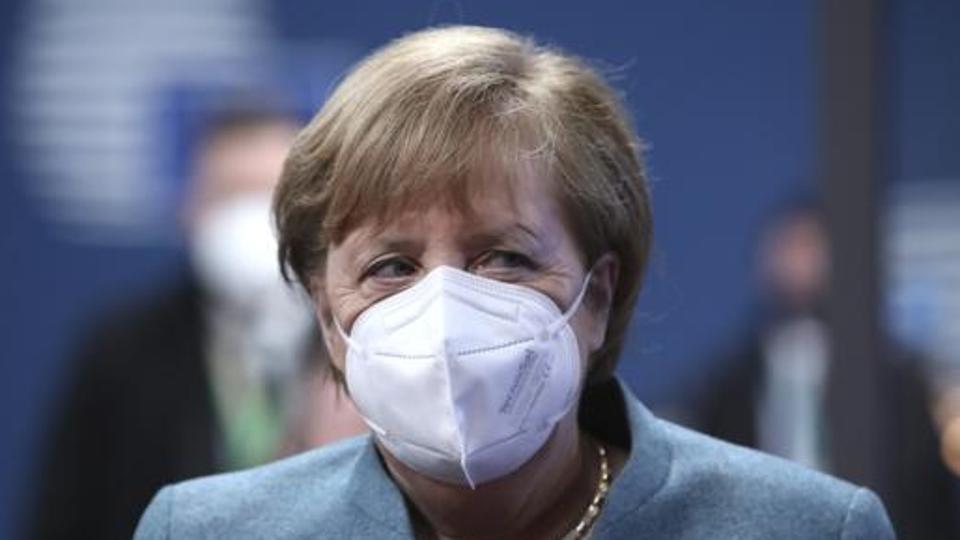
The US has defended curbs on exports of raw materials needed by India to make Covid-19 vaccines, while German Chancellor Angela Merkel was critical of the slowdown of vaccine exports from India against the backdrop of a record spike in Coronavirus infections in the country.
The position taken by the US state department and the German leader caused consternation in official circles in New Delhi, though there was no formal response from Indian officials. India has raised with the US the need to lift restrictions imposed on the export of critical raw materials and equipment several times since February.
US President Joe Biden invoked the Defense Production Act on February 5 to restrict exports of the raw materials to boost domestic vaccine production. External affairs minister S Jaishankar raised the matter with secretary of state Antony Blinken when they spoke on April 19, and it has also been taken up in Washington by Indian envoy Taranjit Singh Sandhu.
Asked by a reporter about India’s call to ease the export curbs as they threaten to slow the country’s vaccination drive, US state department spokesperson Ned Price told a briefing on Thursday that the Biden administration’s priority is to meet the vaccine requirements of the American people.
“What I will say broadly is that the US first and foremost is engaged in an ambitious and effective and, so far, successful effort to vaccinate the American people,” Price said.
“Number one, we have a special responsibility to the American people. Number two...this country has been hit harder than any other country around the world – more than 550,000 deaths, tens of millions of infections in this country alone. But there’s also a broader point here that I made yesterday that it’s...not only in our interest to see Americans vaccinated, it’s in the interests of the rest of the world to see Americans vaccinated,” he added.
Price also pointed to arrangements between the US and the members of the Quadrilateral Security Dialogue or Quad on vaccine production, including increasing production capacity in India, but did not say whether or when the US would ease curbs on export of vaccine raw materials.
The silence of the top US leadership on this matter has not gone down well in New Delhi, especially against the backdrop of the agreement on vaccine production and delivery at the first virtual summit of Quad leaders in March.
In a separate development, Merkel held out what was perceived in some quarters as a veiled threat on the issue of India calibrating Covid-19 vaccine exports since last month in order to focus on its domestic immunisation programme. Germany is among the European countries affected by a slowdown in exports of the AstraZeneca vaccine made by the Serum Institute of India (SII).
“We now have a situation with India where, in connection with the emergency situation of the pandemic, we are worried whether the pharmaceutical products will still come to us,” Merkel was quoted as saying by Politico while participating in an online conversation on Wednesday.
“Of course, we have only allowed India to become such a large pharmaceutical producer in the first place, also from the European side, in the expectation that this should then also be complied with. If that is not the case now, we will have to rethink,” she added.
Observers noted Merkel’s comments came against the backdrop of several European countries themselves banning exports of vaccines, and at a time when India is registering a record number of infections – 332,730 as of Friday – and is struggling to cope with the surge.