E-Paper



US military intercepts Iranian-flagged ship in Strait of Hormuz; 10 ships turned back since start of naval block
After departing from Bandar Abbas and moving through the Strait of Hormuz along Iran’s coastline, the vessel tried to avoid the blockade.

 Prefer HTon Google


Tensions in West Asia continue to play out on the Strait of Hormuz, where the United States has been enforcing a naval blockade since earlier this week. On Wednesday, an Iranian-flagged cargo ship attempting to navigate out of Hormuz was intercepted during its journey.
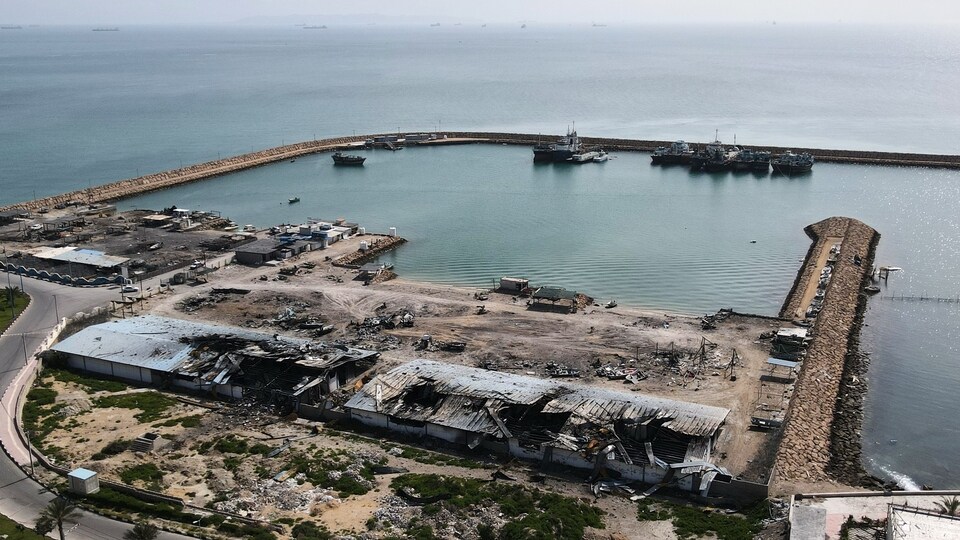
"Yesterday, an Iranian-flagged cargo vessel tried to evade the U.S. blockade after leaving Bandar Abbas, exiting the Strait of Hormuz, and transiting along the Iranian coastline.The guided-missile destroyer USS Spruance (DDG 111) successfully redirected the vessel, which is heading back to Iran, " CENTCOM said on X.
After departing from Bandar Abbas and moving through the Strait of Hormuz along Iran’s coastline, the vessel tried to avoid the blockade.
However, the US Navy intervened before it could proceed further. The guided-missile destroyer USS Spruance (DDG 111) redirected the ship, effectively forcing it to turn back toward Iran.
Also read | US, Iran prepare to exit war as fatigue and costs kick in; Pakistan will get peace bonus
Ten ships have been forced to turn back since the naval blockade began, with none managing to break through.
Iran warns of "dangerous consequences" against US blockade
Iran has issued a sharp warning to the United States amid rising tensions in the Persian Gulf, signalling that recent developments at sea could deepen instability in an already fragile region.
Also read | White House says ‘not true’ to ceasefire request, US-Iran talks ‘very likely’ in Pakistan
Iranian Foreign Minister Seyyed Abbas Araghchi conveyed the country’s concerns during a phone conversation with Chinese Foreign Minister Wang Yi on Wednesday.
According to Iran’s state broadcaster, Islamic Republic of Iran Broadcasting, Araghchi used the discussion to brief Beijing on the latest regional developments following the ceasefire, while also flagging concerns over recent US moves.
During the call, Araghchi pointed to US activity in the Strait of Hormuz and the Persian Gulf, cautioning that such steps risk worsening the situation on the ground.
"Our country's Foreign Minister, describing the latest developments in the region after the ceasefire, warned of the dangerous consequences of America's provocative positions and actions in the Persian Gulf and the Strait of Hormuz, which will lead to a more complicated situation in the region," the statement read.
He also criticised Washington’s position at the United Nations Security Council, calling its proposed resolution on the Strait of Hormuz “irrational and unilateral.”
Araghchi also appreciated China and Russia for opposing the US-backed move, saying their stance helped check a further rise in tensions.
Responding to this, Wang Yi lauded Iran’s “resistance and self-confidence” during the recent conflict and reaffirmed Beijing’s willingness to support diplomatic efforts to bring hostilities to an end and restore stability in the region, according to Islamic Republic of Iran Broadcasting.
(With inputs from ANI)