
 E-Paper


‘August 1 US tariff deadline won’t be extended’: Donald Trump after sending letters to 14 nations
US President Donald Trump on Monday said that India and the US were close to making a trade deal.

 Prefer HTon Google


United States President Donald Trump has said the tariffs it has imposed on countries worldwide will start being paid from August 1, and no extensions will be granted.
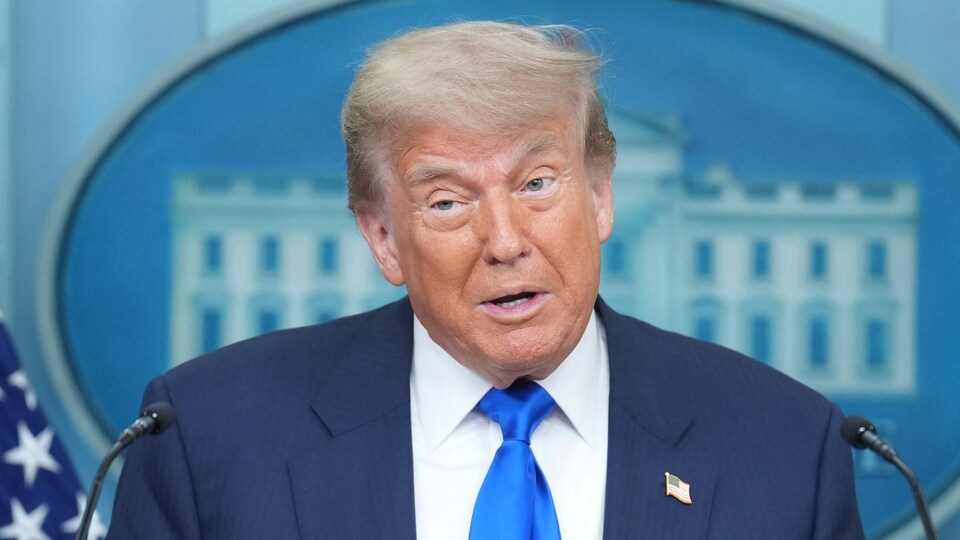
The statement comes a day after Donald Trump sent out a series of letters to 14 countries informing them that their goods exports to the United States could face fresh tariffs starting on August 1.
Earlier, Trump’s 90-day pause on reciprocal tariffs was set to expire on July 9.
In a fresh post on the social media platform Truth Social, Trump indicated that more such letters will be sent to more countries in the coming days. He wrote, “As per letters sent to various countries yesterday, in addition to letters that will be sent today, tomorrow, and for the next short period of time, TARIFFS WILL START BEING PAID ON AUGUST 1, 2025.”
“There has been no change to this date, and there will be no change. In other words, all money will be due and payable starting AUGUST 1, 2025 - No extensions will be granted. Thank you for your attention to this matter!” he added.
Also read: Trump sends letters to 14 nations, threatens higher tariffs in case of retaliation
Despite the delay in enforcement of tariffs, the letters Trump administration sent to the leaders of 14 different countries specified individual tariff rates for each. Among the countries that received the letters are Japan, South Korea, Bangladesh, Myanmar, and Thailand.
India-US trade deal
US President Donald Trump on Monday said that India and the US were close to making a trade deal.
“We’ve made a deal with the United Kingdom, we’ve made a deal with China, we’re close to making a deal with India,” Trump told reporters during a meeting with Israel’s Prime Minister Benjamin Netanyahu.
A negotiating team headed by special secretary Rajesh Agrawal departed the United States last week following crucial talks with the Office of the US Trade Representative.
“I think they basically sewed up what is likely to be an agreement in principle but not a legally binding agreement in which the two sides issue a statement highlighting what is what has been agreed so far,” Mark LinscTARIFFS WILL START BEING PAID ON AUGUST 1,ott, senior advisor at the Asia Group and former Assistant US Trade Representative for South and Central Asian Affairs, told HT.
With inputs Shashank Mattoo.


