E-Paper



Trump sends letters to 14 nations, threatens higher tariffs in case of retaliation
Trump also warned that any retaliatory tariffs would simply be added to the tariff levels outlined in the letters

 Prefer HTon Google


WASHINGTON DC: The Trump administration on Monday sent out a series of letters to 14 countries informing them that their goods exports to the United States could face fresh tariffs starting on August 1. Earlier, Trump’s 90-day pause on reciprocal tariffs was set to expire on July 9.
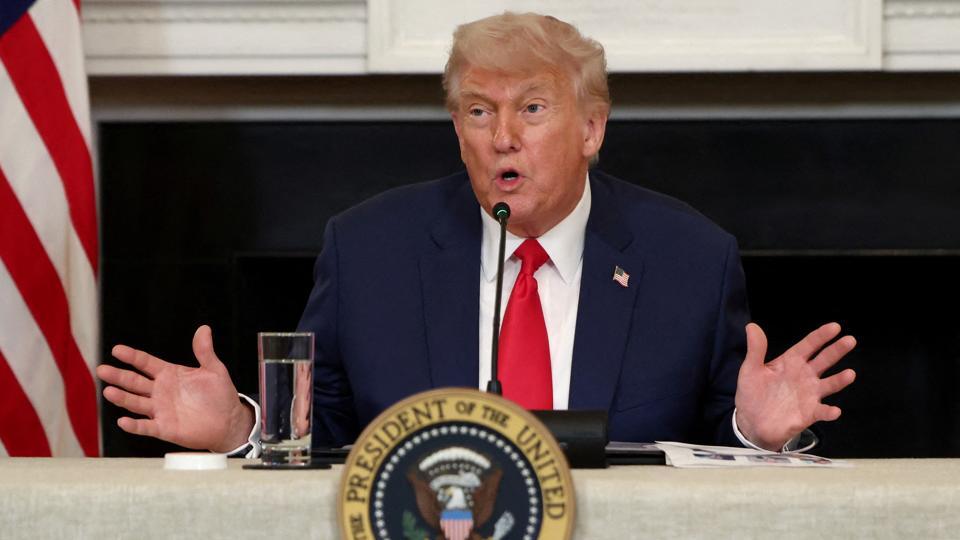
Although the implementation of tariffs has been delayed, the letters addressed to the leaders of each of the 14 nations outlined a separate tariff level for each country. Japan, South Korea, Bangladesh, Myanmar and Thailand were among those who received tariff letters from the Trump administration. The letters were mostly sent to Asian nations, especially in Southeast Asia.
While Japan and South Korea will face a 25% tariff from August 1, Bangladesh will be hit with a 35% tariff. In most cases, the tariff levels outlined by Trump in his letters are broadly similar to those announced by his administration earlier on April 2.
“We have had years to discuss our trading relationship with Bangladesh, and have concluded that we must move away from these longterm, and very persistent, trade deficits engendered by Bangladesh’s tariff, and non tariff, policies and trade barriers. Our relationship has been, unfortunately, far from reciprocal. Starting on August 1, 2025, we will charge Bangladesh a tariff of only 35% on any and all Bangladeshi goods sent into the United States, separate from all sectoral tariffs,” Trump said in his letter Bangladesh’s Chief Advisor Muhammad Yunus. The letters were posted on Truth Social, Trump’s social media website.
Similar letters were sent to the 13 other nations on Monday. Some countries such as Japan and South Korea are negotiating with the Trump administration on trade arrangements.
Trump also told the 14 countries that they could avoid tariffs by manufacturing goods in the United States and warned that any retaliatory tariffs would simply be added to the tariff levels outlined in the letters.
Some countries expressed their concerns about the Trump Administration’s latest move.
“This 30% tariff is based on a particular interpretation of the balance of trade between South Africa and the United States. This contested interpretation forms part of the issues under consideration by the negotiating teams from South Africa and the United States. Accordingly, South Africa maintains that the 30% reciprocal tariff is not an accurate representation of available trade data,” said South Africa’s President Cyril Ramaphosa in a statement after receiving a letter from Trump.
Washington expects that the tariff letters will spur a number of the 14 countries to expedite trade talks with America. US treasury secretary Scott Bessent told the media that he expected a number of trade deals to be signed soon.