Amid Lindsay Clancy’s trial, journalist Brittany Romano was dropped by Vanity Fair after she was seen smiling and winking at a pool camera for the trial's live feed on Monday, August 24. Vanity Fair has confirmed she was credentialed to cover the trial. Brittany also had a personal connection to Lindsay.
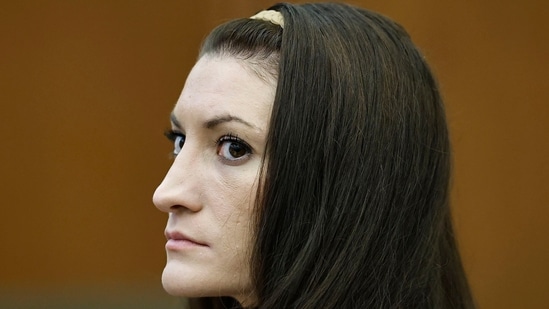
In a statement sent to Fox News, Vanity Fair said, "We were interested in the prospect of a personal essay by Brittany Romano about her experience growing up with Lindsay Clancy. Yesterday, after clear conflicts with our editorial standards and processes, we informed Romano that we were not moving forward with her essay and informed the court that she is no longer credentialed by Vanity Fair."
Meanwhile, Romano told the outlet that she "never had a contract" with Vanity Fair and worked as a freelance journalist assigned for this specific project.
Deep Dive
What are the legal implications of being fired for supporting Lindsay Clancy?
Why might an employer take action against an employee for supporting Lindsay Clancy?
Can you sue an employer for firing you over your support for Lindsay Clancy?
While Lindsay has been getting overwhelming support, others have questioned her supporters about how they can back a mother who killed three children, no matter what the circumstances were. A social media war has broken out between those who support Lindsay and those who do not.
Also Read | Lindsay Clancy neck injury: What is ‘crushed thyroid’? Does it affect speech? Expert explains
{{/usCountry}}Also Read | Lindsay Clancy neck injury: What is ‘crushed thyroid’? Does it affect speech? Expert explains
{{/usCountry}}In the midst of the growing debate, many have wondered if an employer can fire them for supporting Lindsay. New York City based attorney Nicole Brenecki has answered the question.
Can an employer fire you for supporting Lindsay Clancy?
“The biggest misconception people have is that their right to free speech follows them into the workplace and prevents a private employer from taking action based on what they say. Generally, that is not the case. Whether an employer can fire someone for expressing support for Lindsay Clancy will depend on a number of factors, including the jurisdiction, whether the employer is public or private, what exactly the employee said or did, and whether it happened at work or outside of work,” Brenecki said in an email shared with HT.com.
“Some jurisdictions provide additional protections for political activity, lawful off-duty conduct, or certain other forms of expression. And supporting Lindsay Clancy is not necessarily “political” speech in the first place. It could involve views about maternal mental health, postpartum psychosis, criminal responsibility, or the justice system, which is why the particular facts and applicable law matter,” she added.
Brenecki also weighed in on whether you sue your employer for firing you over supporting Lindsay.
“The key distinction is between being able to sue and actually having a legal basis to sue. An employee can certainly challenge a termination, but being fired because of a particular viewpoint does not automatically mean the employer did something unlawful. There generally needs to be some legal protection that the employer violated, for example, a law protecting certain political activity or lawful off-duty conduct, protections that may apply to public employees, anti-discrimination or retaliation laws, or contractual rights. So whether someone fired for supporting Lindsay Clancy would have a viable claim really comes down to the facts, the employment relationship, and the laws that apply in that jurisdiction,” she explained.
The Massachusetts mother is facing three counts of murder in the killings of her children Cora, 5; Dawson, 3; and Callan, 8 months.
According to prosecutors, Lindsay, 35, “acted intentionally, rationally and swiftly” when she fatally strangled her three children at their Duxbury home on January 24, 2023. Her defense attorneys, on the other hand, argued that she is not criminally responsible because she was in the midst of a psychotic episode that stemmed from postpartum mental illness.
Lindsay has pleaded not guilty to the murder charges. If convicted of murder, she faces life in prison without parole. In case she is found not guilty due to a lack of criminal responsibility, she would be committed to a state mental health facility.