
 E-Paper


Donald Trump wants to eliminate ‘very costly’ daylight saving time in US
Trump said that the daylight saving time system has a small but strong constituency, something that it “shouldn't” have.

 Prefer HTon Google


US President-elect Donald Trump on Wednesday said that he will push to eliminate the Daylight Saving Time (DST), terming it as a "very costly" factor to America.
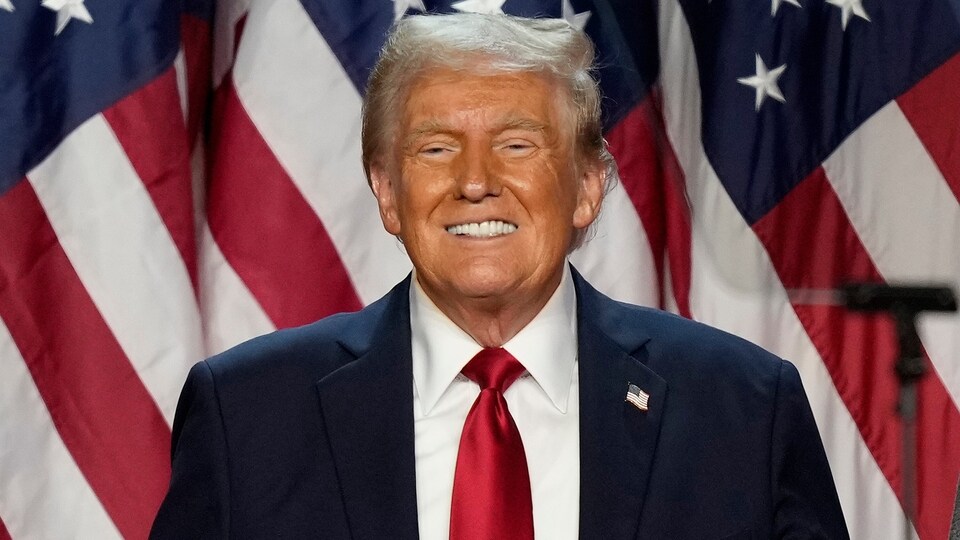
Trump, who is set to take charge of the Oval Office in January 2025, said that the DST has a small but strong constituency, something that it "shouldn't" have.
"The Republican Party will use its best efforts to eliminate Daylight Saving Time, which has a small but strong constituency, but shouldn’t! Daylight Saving Time is inconvenient, and very costly to our Nation," the President-elect said in a post on X.
First adopted as a wartime measure in 1942, Daylight saving time affects almost 400 million people across North America. The system becomes the centre of a debate every now and again, with people questioning the necessity to continue it.
DST requires changes in clock twice a year, setting one hour forward in the spring and one hour behind in the fall to maximise daylight during summer months.
ALSO READ | Elon Musk and Vivek Ramaswamy aim to full-stop this ‘inefficient’ American practice
The most recent attempt in advocating for the system was made through a now-stalled bipartisan bill, 'Sunshine Protection Act', which proposed to make the daylight saving time permanent.
This was sponsored by Florida Senator Marco Rubio, who has been nominated by Trump to helm the State Department.
"Changing the clock twice a year is outdated and unnecessary," said Republican Senator Rick Scott of Florida as the Senate voted in favour of the measure.
However, according to an AP report, health experts have differed from lawmakers, saying that they should make the standard time permanent.
Notably, Arizona and Hawaii do not change their clocks at all. The US territories of American Samoa, Guam, the Northern Mariana islands, Puerto Rico and the US Virgin Islands also observe permanent standard time.
Daylight saving time
This tradition of changing the clock twice-a-year has been imbibed in the American, Canadian and Cuban life for more than a century now.
In the United States, daylight saving time always starts on the second Sunday in March and ends on the first Sunday in November. In 2025, DST will begin on March 9 and end on November 2.
The idea was proposed by New Zealand entomologist George Hudson to conserve energy and extend summer daylight hours, something that would have benefited his own hobby of collecting insects after work.
Though the idea was slow to gain traction, it caught speed during the World War One, when European states sought any strategies to conserve fuel.
Germany was the first country to adopt daylight saving time in 1916, followed by the United States in 1918.
The controversy surrounding DST in US comes from the supposed adverse health effects linked to the system, such as a surge in fatal traffic accidents, heart attacks, strokes, and sleep deprivation in the days after the clocks are moved forward an hour every March.
A YouGuv poll from March 2023 saw that 62 per cent of Americans wanted to end the practice of changing clocks, though only 50 per cent intend on keeping DST as a permanent system.
(with inputs from agencies)


