E-Paper


In 1793, Captain Vancouver gifted cattle to Hawaii’s king; decades later, feral herds tore through crops and altered native island ecosystems
A 1793 cattle gift to Hawaii’s king was left to roam free. Decades later, the herds were damaging crops and forests, and vaqueros arrived to control them.

 Prefer HTon Google


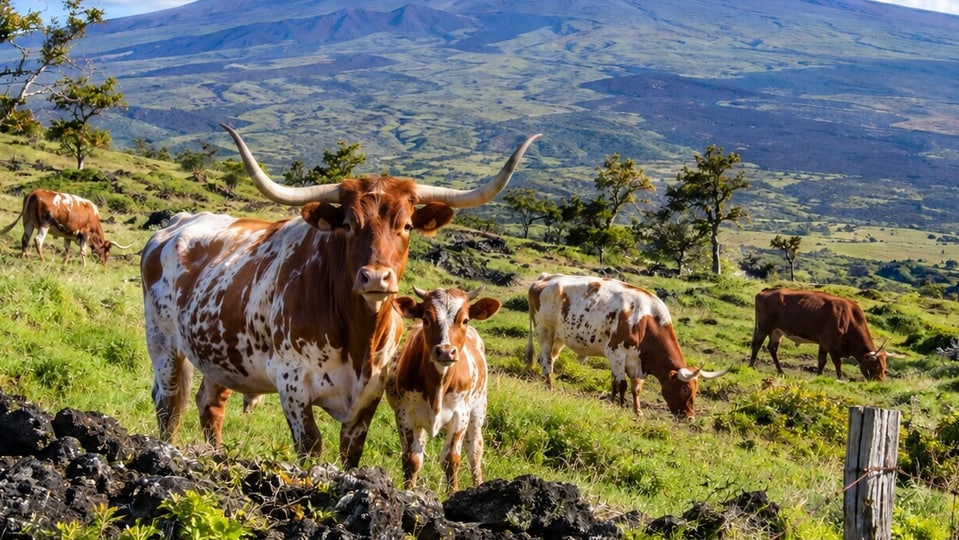
In 1793, a ship captain gifted a few cattle to a Hawaiian king. It might have looked like a friendly gesture at the time, but the effects lasted for generations. The National Park Service explains that Captain George Vancouver brought cattle to Hawaii Island as a gift for Kamehameha. The Hawaiian king ordered that the animals roam free. Over the years, the herds grew, and they became a dangerous headache. Within a few decades, they were damaging farms, forests, and the lives of people nearby.
A gift that was left to grow
Cattle were new to the islands, and they were given strong protection. The herd was placed under a traditional ban on killing them, called a kapu, for ten years, according to a 2000 paper by Kepa Maly and Bruce Wilcox published in the journal Rangelands. More animals were added to the lot between 1793 and 1811, and the number of cattle greatly increased. The herds had every chance to spread, with room to roam and a ban on killing them.
When cattle became a problem
The free-ranging cattle soon started creating trouble for those living on the same land. Maly and Wilcox wrote that the cattle were fast emerging as a problem not only for the native communities but also for the upland forests. Moreover, they speak of the harm brought upon native homes and crop lands by those grass-eating animals. The National Park Service also refers to the cattle as a dangerous nuisance.
Deep Dive

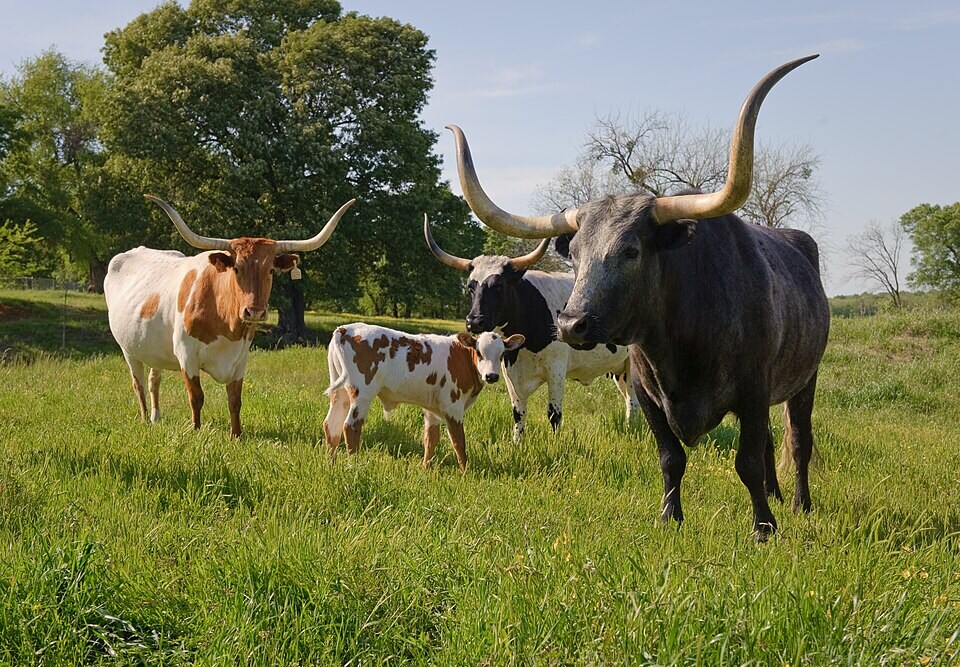
By around 1830, close to forty years after the gift, Mexican cowboys known as “vaqueros” were brought to Hawaii to help control the animals. Soon after, the term “paniolo,” meaning cowboy, was adopted into the Hawaiian language. The park service says it comes from the word “Espaniol.” So the cowboy culture of Hawaii comes from an attempt to control animals that had gone wild.
What went on in the forests
The damage was not limited to crops. By the 1830s, the upland forests were depleted of sandalwood and the land was showing signs of overgrazing, the Rangelands paper notes. The authors also explain how livestock damaged native forests through a chain of ecological changes. This included the spread of aggressive non-native vines and grasses that prevent native species from regrowing.
The National Park Service also notes that ranching dramatically changed the natural environment of Hawaiian ecosystems. It is only fair to add that cattle were not solely responsible for change; the sandalwood trade also left its mark. That being said, the introduction of cattle and other grazing animals did have dire consequences for Hawaii’s natural and cultural ecology.
From ranch land to national park
Kahuku, located on the southern slopes of Mauna Loa, shows how long the story lasted. In 1861, a pulu dealer by the name of Charles Harris purchased the land, which measured 184,298 acres, for $3,100. According to the park service, Kahuku’s pulu, timber, and thousands of wild cattle and goats were considered attractive resources, and Hawaiians had long caught wild cattle there for household use and for market. Kahuku was one of the oldest ranches in the islands, but ranching in Kahuku was difficult due to its remoteness, lack of water, ruggedness, and volcanic eruptions. However, on July 3, 2003, Kahuku Ranch became public land as part of the Hawaiʻi Volcanoes National Park. The Nature Conservancy helped bridge the $22 million purchase price. Today the land is managed to preserve its scenery, wildlife, and historic objects for the enjoyment of future generations.
Why this piece of history still matters
The story shows how one little decision can often end up changing an entire landscape. Vancouver’s gift influenced farms, forests, ranching, and even brought new words into the Hawaiian language. This history helps explain why many people today care about invasive species and land protection in Hawaii. The past isn’t just a story about the cowboys or the kings. It is also a story about what happens to a place when a new animal comes and is left to roam about on its own.