E-Paper


In 2007, Pennsylvania coated an 800-foot crash-prone curve with high-friction surfacing; the site had no wet-road crashes for the next eight years
PennDOT treated a dangerous Route 611 curve in 2007; FHWA reported no wet-pavement crashes there for eight years after the upgrade.

 Prefer HTon Google


A sharp curve on Pennsylvania's Route 611 had a persistent safety problem that conventional road signs and markings could not solve. When rain covered the pavement, drivers faced a combination of low surface friction and difficult road geometry, increasing the risk of skidding and leaving the roadway. In 2007, the Pennsylvania Department of Transportation (PennDOT) tried a more targeted solution: a high-friction surface treatment on about 800 feet of the curve.
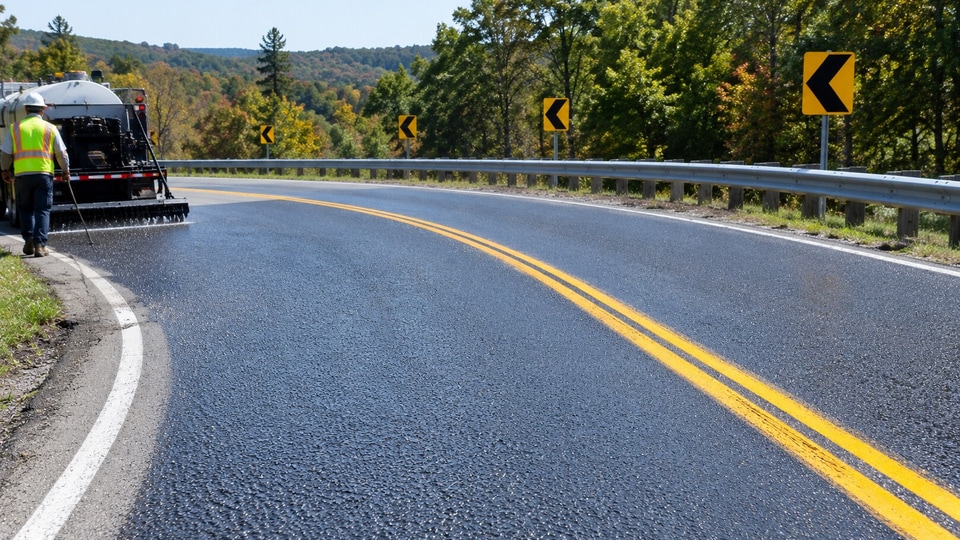
The Federal Highway Administration (FHWA) recorded no wet-pavement crashes at the treated location for the eight years following installation, a dramatic change from its earlier crash history. The result became an important early example of how improving the tire-to-road grip at a specific trouble spot could deliver safety benefits without reconstructing an entire roadway.
A dangerous curve on Route 611
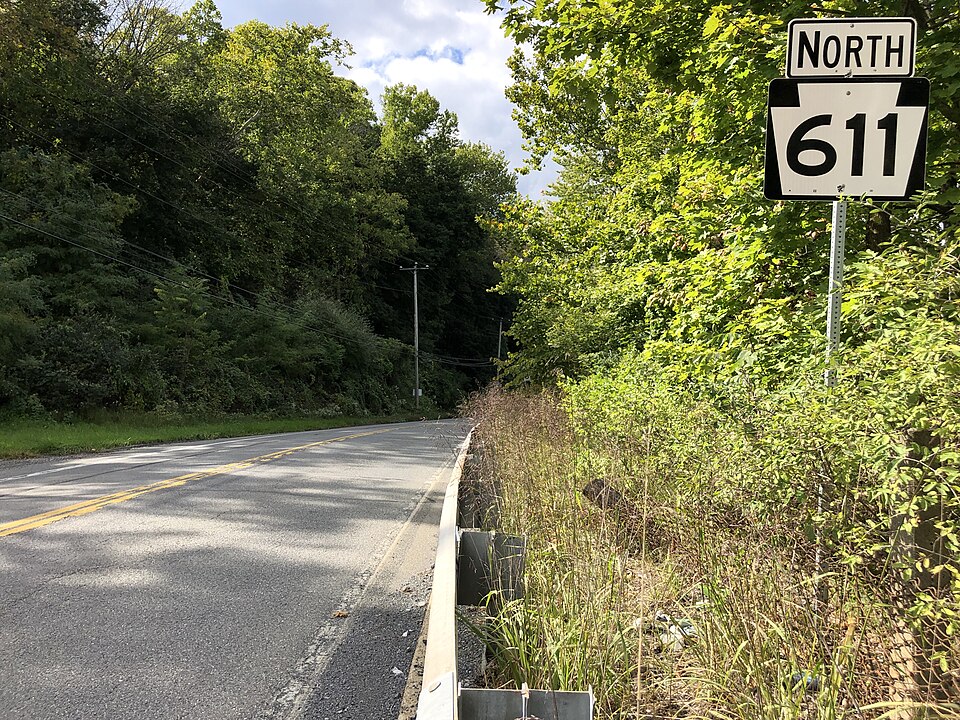
This stretch of highway was in Northampton County on State Route 611, about five miles south of Easton, in an area called Groundhog Locks. On the southbound side, the highway included a sharp horizontal curve that existed on a two-lane rural road, which had narrow 9-foot travel lanes and no shoulders. This made the site especially difficult to navigate. The curve was not adequately superelevated; furthermore, there was an intersection within the curve itself. It was impossible for PennDOT to widen or reconstruct the road due to right-of-way issues.
Deep Dive

FHWA's case study reports 13 wet-pavement crashes over 10 years in the southbound direction. Other PennDOT and FHWA materials cite different periods and totals, including 20 wet-pavement crashes over 10 years and 21 over five years, reflecting different evaluation windows. The consistent finding was that wet-weather crashes were a recurring problem at the curve. PennDOT had already attempted relatively conventional measures, including additional warning signs, chevrons, and improved pavement markings. They did not adequately address the underlying friction problem.
Curves require more lateral friction than straight sections because vehicles must resist sideways forces while cornering. Wet conditions make it difficult for there to be enough friction, hence making skidding and hydroplaning more likely. Curves account for a disproportionately high number of fatal crashes relative to their share of the highway system.
An 800-foot strip of high-friction pavement
The HFST treatment was applied to about 800 feet of the southbound curve in June 2007 in the same direction where the past accidents took place. This was the first time the department had utilized HFST, serving as a pilot project. The treatment used calcined bauxite aggregate and epoxy resin. HFST is a thin layer of highly skid-resistant aggregate. Unlike regular aggregates, which can become polished by traffic, calcined bauxite is chosen for its ability to retain friction. The treatment produced a clear improvement. Prior to HFST treatment, the average skid number was 24. After HFST treatment, the average number was around 75. In July 2010, the average skid number was 71.
Zero wet-road crashes after treatment
The key result came after the road surface was treated. FHWA also notes that the site remained crash-free during eight years after treatment of the road in 2007. This encouraged PennDOT to go beyond the pilot project and treat 14 other spots with high incidences of wet-pavement crashes in 2012. With help from the FHWA’s Every Day Counts initiative, PennDOT continued to increase the number of treated areas. By the end of 2015, PennDOT had treated 150 sites.
PennDOT's own later evaluation found similarly encouraging results. Among 47 treated locations with enough follow-up crash data, the agency reported significant reductions in wet-road, roadway-departure, fixed-object, and total crashes. At the original Route 611 location, PennDOT reported a 100% reduction in crash frequency. Route 611 shows that highway safety improvements do not always require reconstruction; sometimes, modifying the pavement is enough. The success of HFST on this small road project set up a statewide approach to safety.