
 E-Paper


Study exposes ineffectiveness of chemical used against hospital superbugs in US
High-concentration bleach may not be effective against superbugs, study finds.

 Prefer HTon Google


A recent study from the University of Plymouth in the United Kingdom has unveiled unsettling news for hospitals relying on potent disinfectants. The research, focusing on the bacterium Clostridioides difficile, reveals that the high-concentration bleach commonly used may not be as effective as once believed.
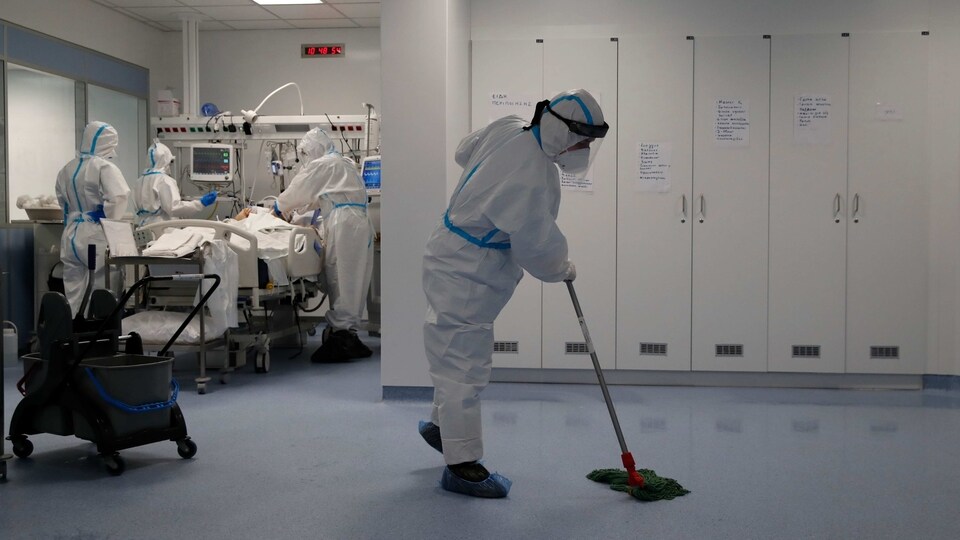
Superbugs, highly virulent bacteria resistant to most antibiotics, infect over 2 million Americans annually, causing at least 23,000 deaths. Hospitals, in an effort to combat these microscopic foes, often turn to robust disinfectants. However, the study suggests that at least for C. difficile, the prevalent use of chlorine-based cleaning products may not be delivering the expected results.
Tina Joshi, co-author and associate professor in Molecular Microbiology at the University of Plymouth, emphasizes the urgency of the situation, stating, "With incidence of anti-microbial resistance on the rise, the threat posed by superbugs to human health is increasing." The study focused on C. difficile, a bacterium affecting half a million Americans annually and causing 29,000 deaths in the U.S. alone.
The shocking findings revealed that even at clinically in-use concentrations, high-concentration bleach failed to damage C. difficile spores. When exposed to bleach, the spores on surgical scrubs and patient gowns remained completely unaffected, posing a significant challenge to traditional disinfection methods.
Also Read | U.S. faces winter wave as COVID hospital admissions climb in 14 states
"Understanding how these spores and disinfectants interact is integral to practical management of C. diff infection and reducing the burden of infection in healthcare settings," says Joshi. The study underscores the need for disinfectants and guidelines that evolve in tandem with bacterial resistance, urging a reevaluation of current disinfection protocols globally.
As antimicrobial resistance escalates globally, the study's call for tailored disinfectants and guidelines becomes more pressing. The battle against superbugs demands innovative solutions, emphasizing the importance of research that adapts to the ever-evolving world of bacterial evolution.


