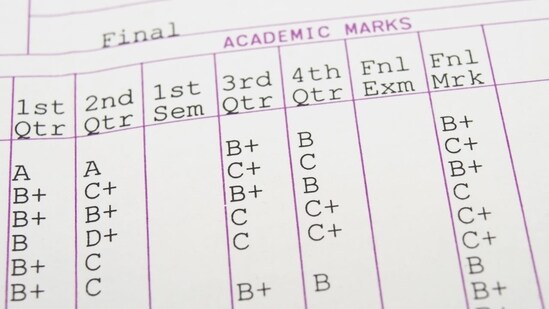
When students needn’t even bother to blame Fido for their missing homework, something’s gone wrong with the schools. Yet 52% of K-12 public teachers in a new survey say their school or district has adopted at least one “equitable” grading policy, such as no zeros for missed assignments, no penalties for turning in late work, or unlimited retakes on tests.
What Teachers Think of ‘Equitable’ Grading
Tolerating poor or unfinished homework in the name of “equity” gained traction during the Covid years. It’s more prevalent in “majority-minority schools,” according to the survey of nearly a thousand K-12 public teachers, published Wednesday by the Fordham Institute. Some 58% of teachers in those schools reported the use of at least one equitable policy.
The good news is that teachers hate it: 81% said a no-zeros policy is “harmful to academic engagement,” including 80% of “teachers of color,” the Fordham report says. Some of the quotations from surveyed teachers are unsparing: “Being given a 50 percent for doing nothing seems to enable laziness.” “Ridiculous.” “Insulting to the students who work.” “Most teachers can’t stand the gifty fifty.”
A majority of teachers, 56%, said a policy of no late penalties is harmful, compared with 23% who liked that. On letting students retake tests, the teachers were divided, with 41% supporting it, and 37% against. But in general, 71% agreed “grading policies should set high expectations for everyone.” Only 29% approved of reforms “to be fairer” to disadvantaged students.
“Equity grading is not leveling the playing field,” one teacher said. “It is simply lowering standards so that school districts look like they are meeting kids where they are, when in fact they are hiding their failures behind ‘equitable’ policies.” Another worried A grades “are passed out like Halloween candy. Whether a student learned anything is nearly irrelevant.”
Good grades keep everyone happy, until ill-prepared students graduate. A separate Fordham report last year argued that equitable grading makes it hard for parents to know whether their children are struggling and might need help. If college admissions officers can’t rely on high-school GPAs, they turn to more subjective measures such as extracurriculars, and that’s less “equitable” for talented kids who can’t spend a fortune on travel sports.
The truth of student learning deficiencies is evident from declining scores on standardized tests, including the National Assessment of Educational Progress and the ACT exam. Covid lockdowns contributed to this, but the lowering of expectations in the name of equity began before the pandemic. Grade “inflation,” as it’s called, lets schools evade accountability, while robbing students of the rewards of doing their homework and actually learning.
Teachers know it. Will principals and superintendents listen?
Stay updated with US News covering politics, crime, weather, local events, and sports highlights. Get the latest on Donald Trump and American politics along with Horoscope 2026.

 E-Paper