
 E-Paper


What Trump's Schedule 3 Drugs executive order means for marijuana reclassification?
President Trump signs executive order that reclassifies marijuana to a Schedule III substance on a federal level however federal legalization is distant.

 Prefer HTon Google


President Donald Trump, on December 18, signed an executive order directing the reclassification of marijuana from a Schedule I to Schedule III controlled substance at the federal level.
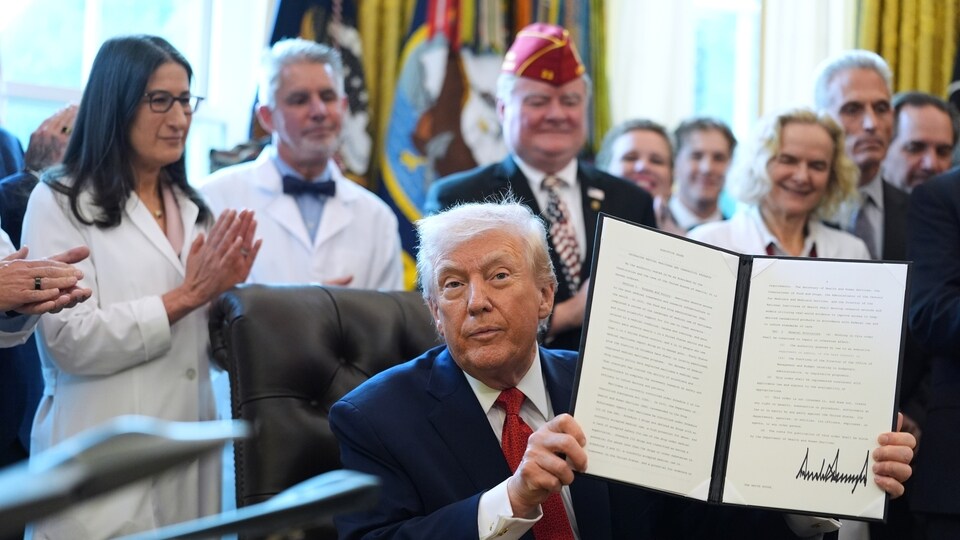
The move is described as one of the most significant federal shifts on cannabis in decades aims to expand medical research and ease regulatory burdens for the cannabis industry while stopping short of full legalisation for recreational use.
Under the Controlled Substances Act, Schedule I drugs are defined as having no currently accepted medical use and a high potential for abuse. Trump’s order would move marijuana into Schedule III, a category that includes substances with moderate to low potential for dependence, such as ketamine, Tylenol with codeine and anabolic steroids.
Read more: Trump to reclassify weed? Plans to cut marijuana restrictions reportedly on
What the Schedule 3 reclassification means
Reduced restriction, more research opportunities
The change would not legalise marijuana federally or decriminalise personal use nationwide, but it does open new avenues for scientific and medical research that have been heavily limited under the current Schedule I status.
In this, cannabis has been treated as having no medical benefit. Trump and supporters argue the move will lead to deeper exploration of medicinal uses for marijuana, including potential treatments for pain, neurological conditions and other serious health issues.
“This reclassification order will make it far easier to conduct marijuana-related medical research,” Trump said during the signing ceremony, highlighting that such research could yield insights into both benefits and risks.
Read more: What are Trump’s ‘Patriot Games’? Who will participate? Explained
Industry and Economic Implications
In addition, rescheduling could reduce regulatory barriers for state-legal cannabis businesses, many of which struggle with federal tax provisions like Section 280E. This blocks deductions for businesses selling Schedule I substances.
Federal tax relief could provide financial breathing room for businesses operating in states where marijuana is already legal.
Proactiveinvestors noted that despite the executive order, companies initially rallied in reaction to the rescheduling news, major cannabis stocks later saw share prices fall, with firms like Tilray, Canopy Growth and Curaleaf posting double-digit percentage declines after the announcement. The AdvisorShares Pure US Cannabis ETF and other cannabis-focused ETFs also dropped about 12 %.
Policy Context
Federal vs state law
State regulations in the United States already differ greatly: 24 states have legalized marijuana for recreational use, while at least 40 states and Washington, D.C. permit only medical marijuana.
But up until today, cannabis has been categorized with the most dangerous narcotics under federal law, making it more difficult for banks, insurers, and federal agencies to comply with state laws.
Trump’s executive order directs the Attorney General and the Drug Enforcement Administration (DEA) to fast-track the rescheduling process. This executive order will and must proceed through a formal rule-making phase in Congress before taking full effect.
This administrative process could take months or even years, depending on legal challenges and agency actions.


