E-Paper



U.S. Prepared to Use Air Power to Support Planned European Force in Ukraine
However, President Trump rules out putting U.S. troops on the ground if a deal is reached with Moscow to halt the war.


President Trump signaled on Tuesday that the U.S. is prepared to use air power to support a European security force in Ukraine but ruled out deploying American ground troops.
Planning of the multination force to be sent to Ukraine if a peace settlement is reached accelerated Tuesday, a day after Trump discussed the idea at the White House with Ukrainian President Volodymyr Zelensky and other European leaders.
After Trump’s summit with his Russian counterpart in Alaska, the president tasked Air Force Gen. Dan Caine, the chairman of the Joint Chiefs, to develop options for NATO-like security guarantees for that force, according to a Western official.
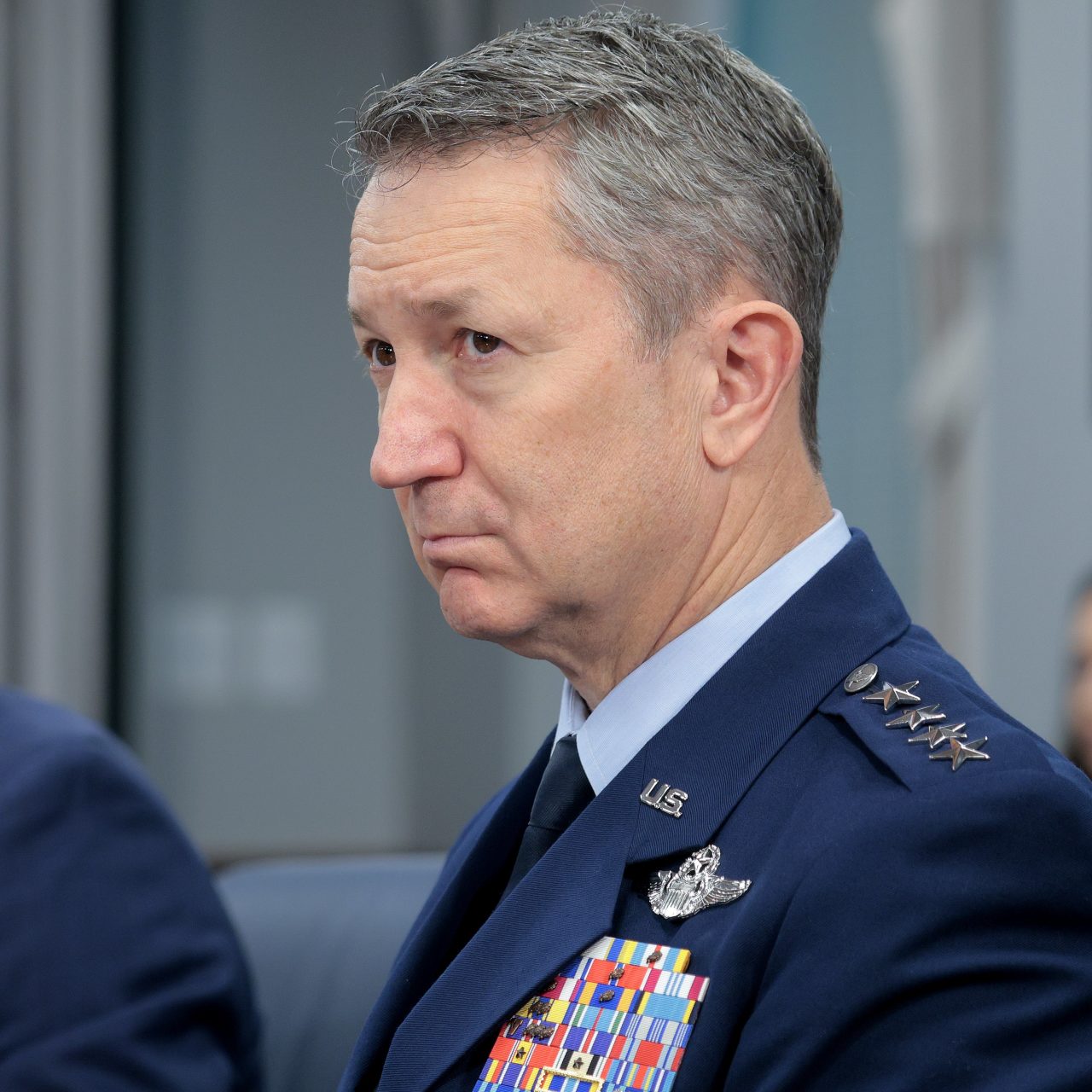
Chairman of the Joint Chiefs of Staff Gen. Dan Caine
Caine was set to meet in person on Tuesday with military chiefs from nations that participated in the White House meeting on Ukraine a day earlier, including Britain, France, Germany and Finland, two Western officials said. The purpose of the meeting, which will also include Gen. Alexus Grynkewich, who is both NATO’s top military commander and the head of U.S. forces in Europe, is to refine military options for the political leaders, one of the officials said.
Grynkewich is also slated to brief a larger group of NATO defense chiefs over videoconference on the war in Ukraine on Wednesday, according to a senior NATO military officer. Grynkewich will participate from Washington, the person said.
But the planned force faces a number of major diplomatic challenges.
While Trump has said that he expects Russian President Vladimir Putin to accept the presence of Western troops in Ukraine, Russia has objected to the idea of sending troops to Ukraine from members of the North Atlantic Treaty Organization.
“We reiterate our repeatedly expressed position that we deny any scenarios that envisage the deployment of a military contingent to Ukraine with the participation of NATO states,” Russian Foreign Ministry Spokeswoman Maria Zakharkova said Tuesday. Such as a step, she said, could lead to an “uncontrollable escalation of the conflict with unpredictable consequences.”
Trump didn’t specify the role the U.S. military might have in providing air support to a European ground force—whether it would include warplanes, air-defense systems or surveillance drones, for instance.
“When it comes to security, they are willing to put people on the ground,” Trump said in a Fox Television interview, referring to the Europeans. “We’re willing to help them with things, especially probably, if you talk about by air, because there is nobody has the kind of stuff we have, really they don’t have.”
The Pentagon could deploy aircraft outside Ukraine to protect European troops, including jet fighters to aid European forces in the country if they are attacked or surveillance drones to monitor any peace agreement. The U.S. could also fly European troops and equipment on its cargo planes, provide ground-based air-defense systems to the European and contribute military intelligence.
European governments, led by the U.K. and France, have lobbied Washington for months to back what they described as a “reassurance force” that would be deployed to Ukraine after a cease-fire.
European nations are wary of sending their forces to Ukraine without what the British have called a U.S. “backstop,” an assurance that U.S. forces could intervene if the troops are attacked.
In a sign that NATO members are concerned about possible military moves by Moscow, the alliance said Tuesday that its military forces, including its air-defense systems, had been put on alert when Russian aircraft launched missile attacks on Ukraine.
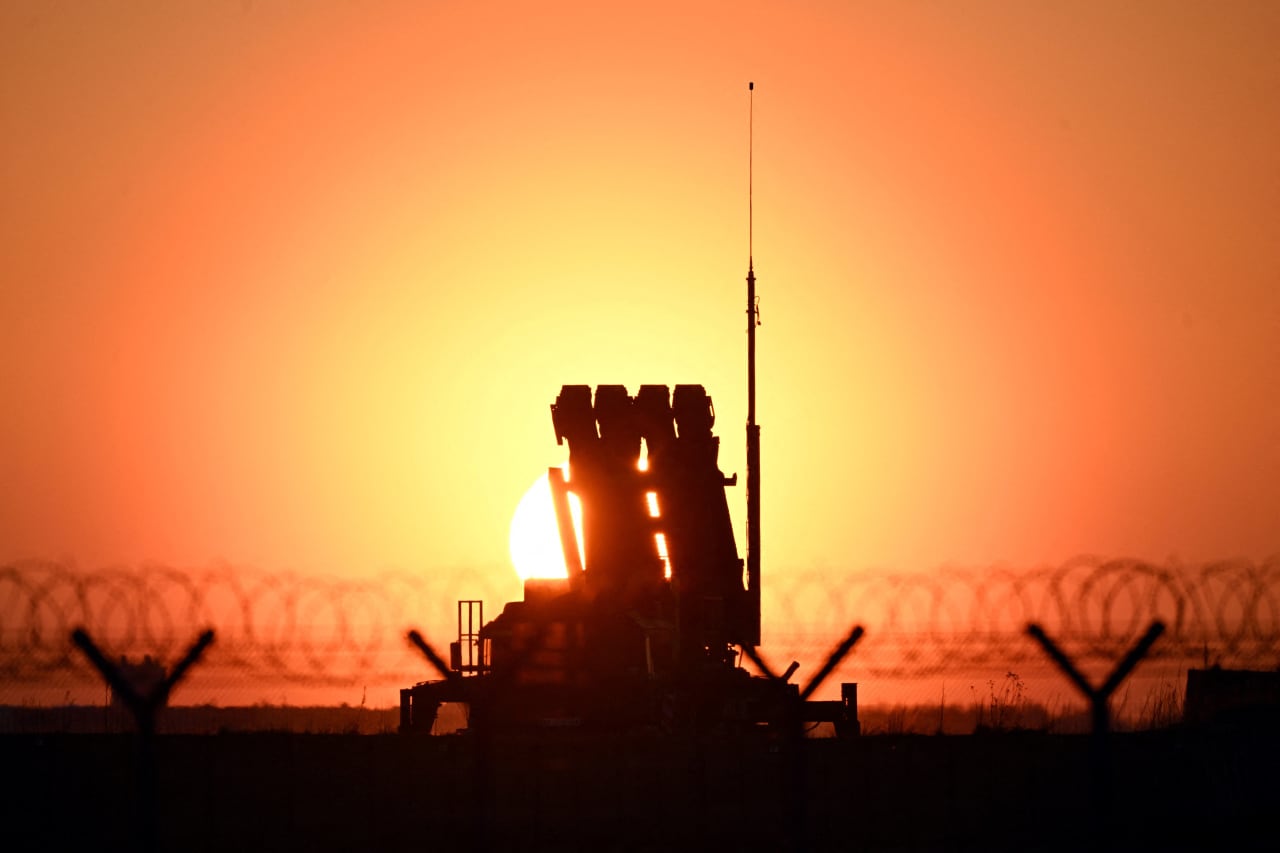
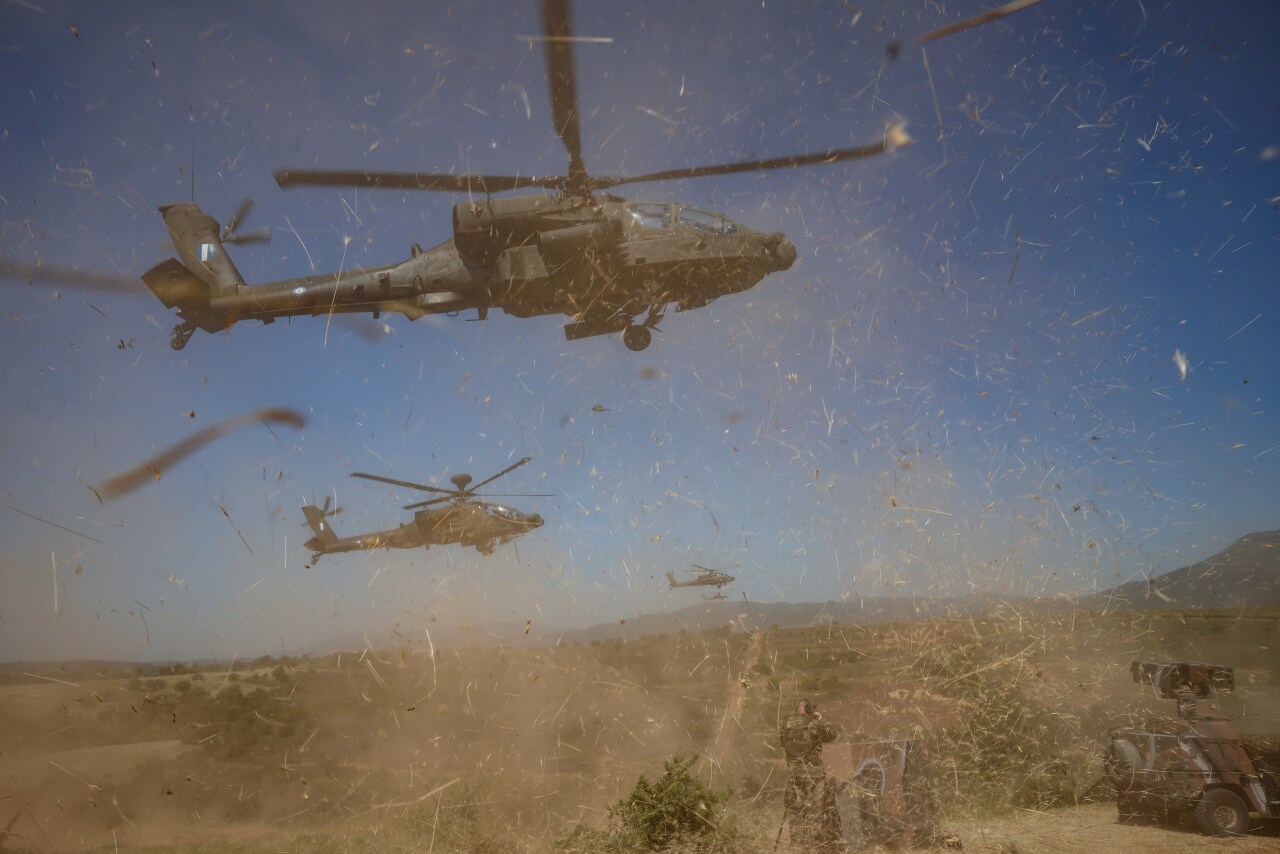
A Patriot air-defense system in south-east Poland.Helicopters kick up dry grass as they participate in the U.S.-led military exercise.
In a statement, the alliance said the move was made out of concern that the Russian missiles might enter the airspace over Poland, which includes a logistics hub that is used to send equipment to Ukraine. As it turned out, no Russian violations of Polish airspace occurred.
Following the White House meeting with top European leaders on Monday, Secretary of State Marco Rubio will start working with the Europeans on plans for a security guarantee for Ukraine. These guarantees could include a potential promise to back up Ukraine modeled on NATO’s Article 5, which stipulates that an attack on one alliance member should be considered an attack on all, officials said.
Without a credible U.S. security guarantee, “it is hard to see how you can have an effective deterrence of Russia or reassurance of Ukraine,” says James Black, a deputy director at Rand Europe, a think tank. European militaries lack logistics, intelligence gathering, cybersecurity, and large scale precision missiles, needed to sustain a conflict with Russia, he says.
Defining the U.S. role is aimed at giving countries such as Germany and Italy more confidence about participating in any Ukraine force.
The plan for a reassurance force was hatched by the British and French shortly before Trump won his re-election. It took on greater urgency after Zelensky’s Oval Office clash with Trump earlier this year. Initially, the Europeans planned to put up to 30,000 troops on the ground. But Trump showed little interest in U.S. involvement, and several European nations, including Germany and Italy, balked at sending troops.
The U.K. and France then began discussing a more modest force that would be composed of a few thousand troops and based far from the front line. The troops would support the Ukrainian military and act as a deterrence against potential Russian aggression.
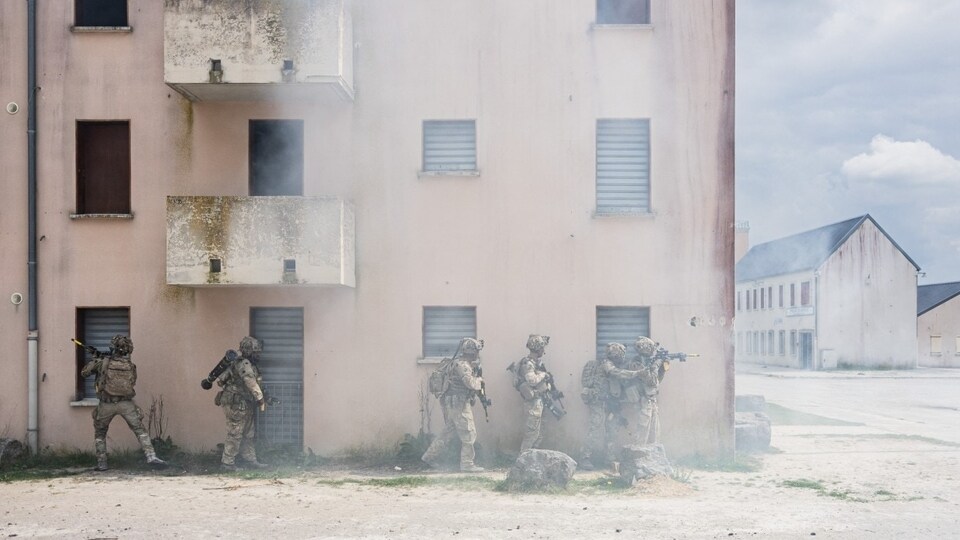
Soldiers take part in urban combat exercises during a joint military manoeuvre between the French and British armies in northeastern France in April.
European forces wouldn’t likely be near whatever de facto border or legal frontier emerges between Russian and Ukrainian forces if a peace agreement is hammered out. They could be placed at strategically important locations, such as airports and military centers, that could come under Russian attack.
French officials have said Paris could deploy between 3,000 and 5,000 troops in Ukraine initially.
British and French army officers went to Ukraine in April to scope out options. Britain is likely to focus on providing air support, given its army has been slimmed down dramatically in the last few decades.
“One of the trickiest tasks in the work undertaken by our military planners is that it is not clear in what circumstances any forces may be required to be deployed, and it is not clear that the details of the negotiated peace deal we all want to see will be in place,” U.K. Defense Secretary John Healey said in April in a statement to Parliament.
Write to Lara Seligman at lara.seligman@wsj.com, Michael R. Gordon at michael.gordon@wsj.com and Max Colchester at Max.Colchester@wsj.com