
 E-Paper



Use diapers to cut down toilet visit, China tells flight cabin crew
The recommendation is part of a new set of guidelines for airlines and flight and cabin crew issued by the Civil Aviation Administration of China.

 Prefer HTon Google


Cabin crew deployed in special flights to high-risk Covid-19 destinations should wear disposable diapers to cut down bathroom visits, China’s aviation regulator has said, as fewer toilet visits will cut down the risk of infection.
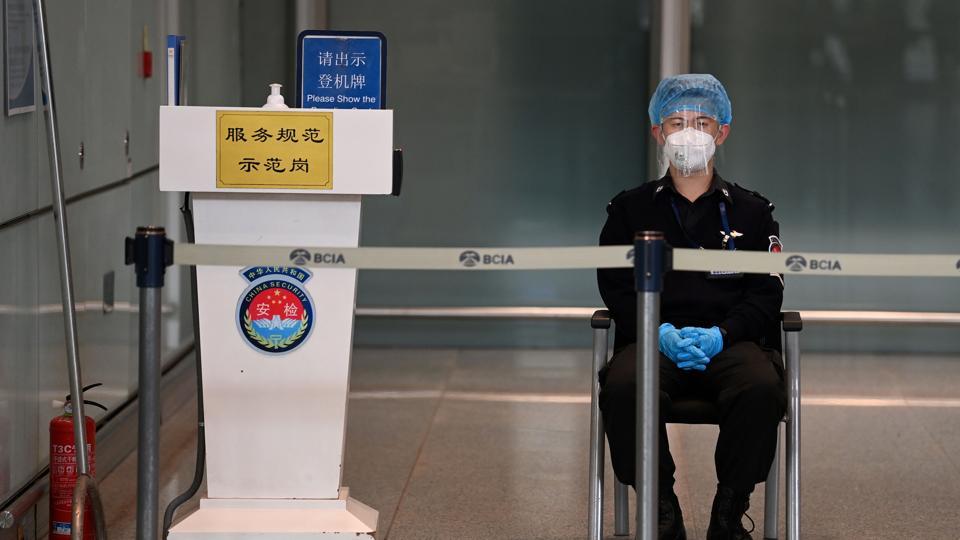
The recommendation is part of a new set of guidelines for airlines and flight and cabin crew issued by the Civil Aviation Administration of China (CAAC).
The 38-page long document titled “Preventing the Spread of Coronavirus Disease 2019 Guideline for Airlines” and a separate 11-page “Preventing the Spread of Coronavirus Disease 2019 Guideline for Airports” also focus on monitoring and taking care of the “psychological” health of flight crew and airport personnel.
They should be provided humanistic care and psychological counselling, the guidelines said.
The CAAC, which published the recommendations on its website, said they apply to charter flights to and from countries and regions where infections exceed 500 in every one million people.
The diaper advice is in a section on personal protective equipment.
“It’s recommended that cabin crew wear disposable diapers and avoid using the lavatory unless in special circumstances to reduce the risk of infection,” the guidelines said.
Personal Protection Equipment (PPE) for cabin crew members include medical protective masks, double-layer disposable medical rubber gloves, goggles, disposable caps, disposable protective clothing, and disposable shoe covers.
On the mental health front, the guidelines said the crew members’ family pressures should be taken into account.
“Efforts shall be made to have an understanding of the mental health conditions of front-line crew members. Duty scheduling for international flights shall be made after giving full consideration to crew members’ psychological conditions, personality, current family life pressures, social support system and other circumstances,” the CAAC recommended.
Among the necessary psychological measures to be taken are creating the environment “achieve psycho-social security”.
Effective mental health support and assistance shall be provided for aviation staff through cooperation among aeromedical professionals, other medical professionals, psychological professionals and aviation staff, and “a peer-to-peer supportive group shall be promoted among aviation staff to facilitate mutual support and encouragement.”
Other advice for the flights includes dividing the cabin into “clean area, buffer zone, passenger sitting area and quarantine area,” separated by disposable curtains.
The last three rows should be designated as an emergency quarantine area, said CAAC.
While most international flights remain suspended, China’s domestic civil aviation market has shown signs of rapid recovery.
A total of 371,000 domestic passenger flights took off in September, up 3.5% from a year ago, Qiao Yibin, an official with the Civil Aviation Administration of China, told a news conference in October.
Domestic passenger numbers reached 47.75 million, or 98% of 2019’s levels, Qiao said.
Airlines have rolled out promotional deals featuring all-you-can fly packages to fuel a recovery in Chinese passenger numbers, though based on lower fares than the prior year, a Reuters report said.


