
 E-Paper



Why food is piling up on the edge of Gaza
Thousands of tonnes of food and medicine are still waiting to get in


 Prefer HTon Google


Judging by the amount of aid that has arrived at the Egyptian side of the border with Gaza, the embattled Palestinians should be well catered for. Canvas warehouses rise out of the desert, piled high with blankets and tents. Depots are packed with medicines and sanitary kits. Lorries loaded with food line the roadsides in their thousands. And a floating hospital with 100 beds, courtesy of the United Arab Emirates, is docked at a nearby Egyptian port.
Yet all of this stuff, worth millions of dollars, waits in vain. Since early May, when Israel launched its assault on Rafah, Gaza’s last city still standing, it has controlled the crossing to Egypt and kept traffic through it to a bare minimum (see chart). “They’re women and children who are dying and we can’t get to them,” says a doctor on the hospital ship. “We’re just watching.”
Read all our coverage of the war between Israel and Hamas
It is not just the Rafah crossing that is a problem. The offshore pier that America built at a vast cost will soon be closed permanently. Israel has also declared the skies a closed military zone, halting humanitarian air drops, says a Gulf aid official. Israel points out that it has kept crossings from its own land open, but traffic has thinned and much of it is private commerce. “There’s been a drastic drop in aid,” says Tania Hari of Gisha, an Israeli human-rights organisation. “People can’t afford to buy what’s coming in to the private sector.”
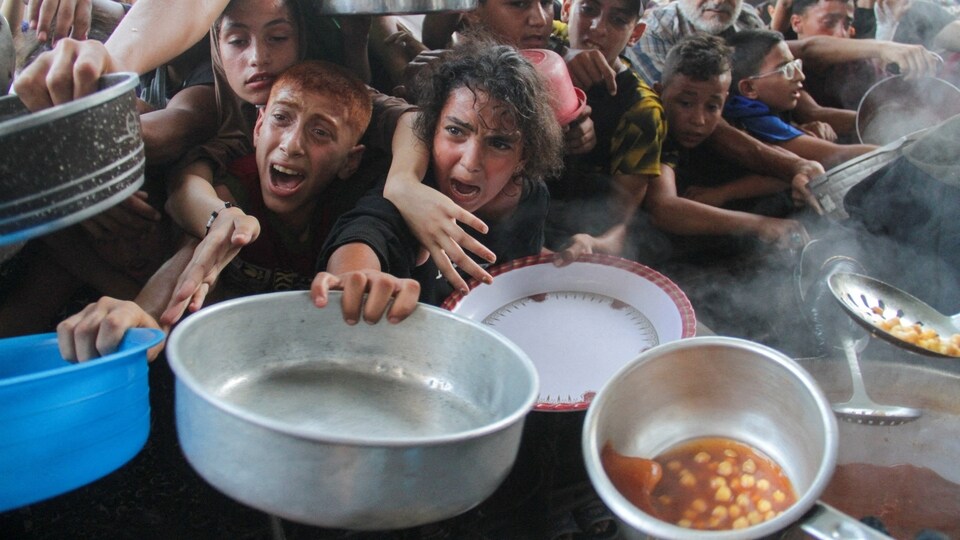
Inside Gaza, say aid officials, starvation beckons. The main threat to life was bombs. Now it is untreated wounds—and famine. “The first question every morning is the same,” says an aid worker. “What are we going to eat today?”
Israel argues other factors are to blame. UN agencies fight turf wars and wrangle over contracts, causing bottlenecks. Looters run riot as prices soar and shortages grow. Hamas nabs aid convoys, feeding its own fighters first. Many aid workers refuse to travel except in armoured vehicles because 197 UN people have been killed since October. The security wall Egypt has put up makes the crossing almost impenetrable. Israel also says that the un does not count all aid entering Gaza because it does not have people at all crossings.
Though Israel says it has wound down its military operation in Rafah, it keeps the gate on the southern border shut. Aid workers say this is to squeeze Hamas into agreeing to the terms of a ceasefire. “They won’t open Rafah until they get back the hostages,” says the same Gulf official at the crossing.
Sign up to the Middle East Dispatch, a weekly newsletter that keeps you in the loop on a fascinating, complex and consequential part of the world.


