E-Paper



Why Krispy Kreme Broke Up With McDonald’s
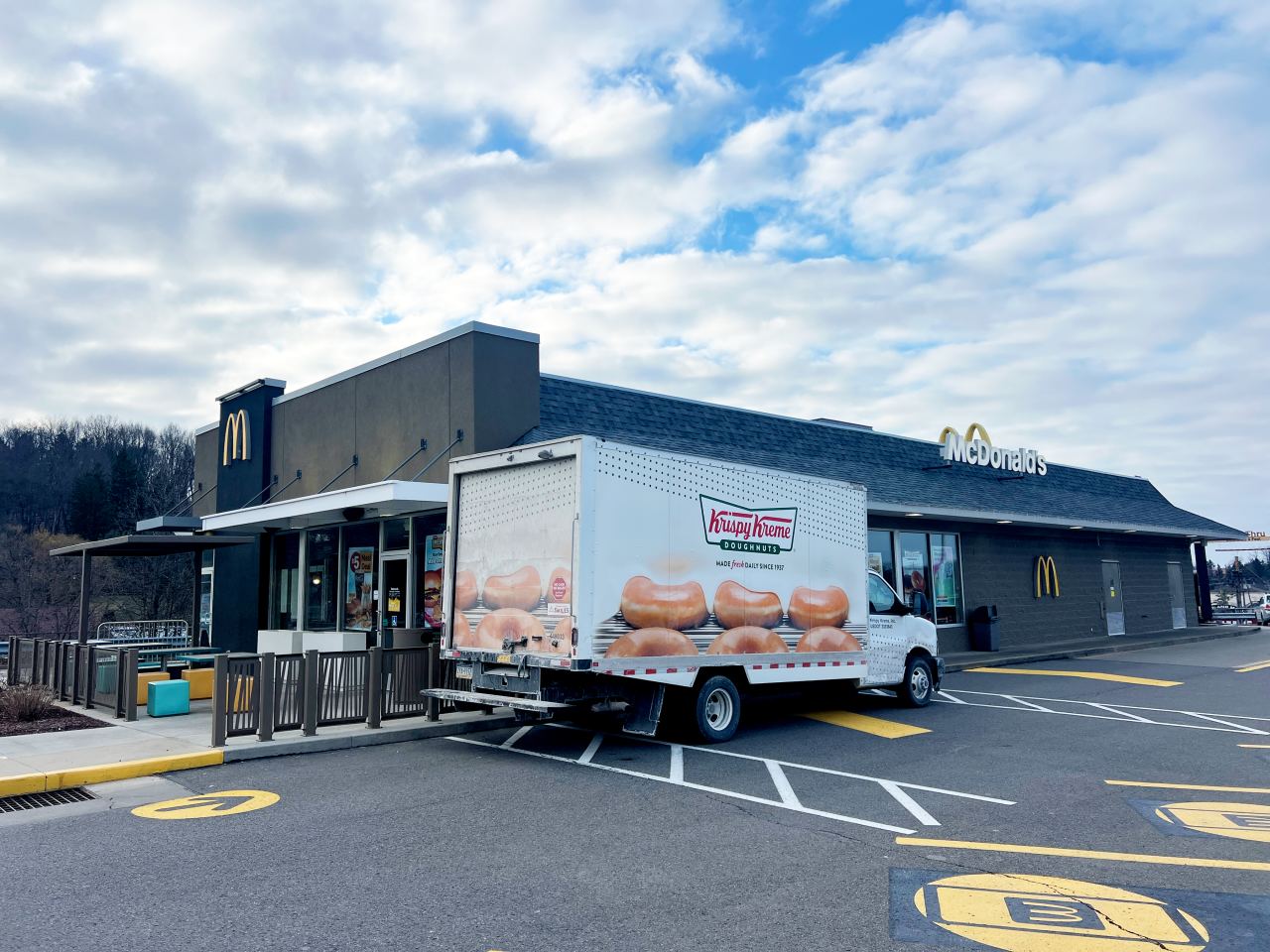
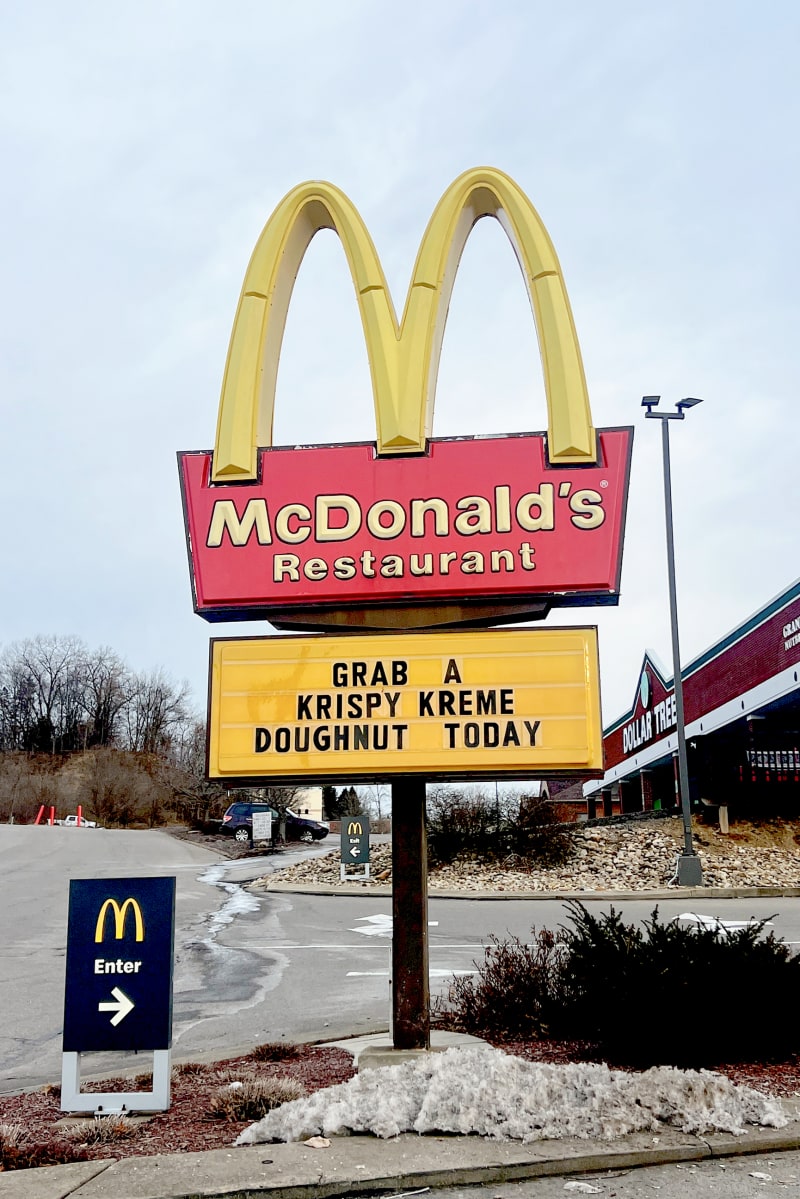
A match made in fast-food heaven has ended after high hopes and promising early results from Krispy Kreme’s deal to sell doughnuts in McDonald’s restaurants


 Prefer HTon Google


It was a match made in fast-food heaven—stocking McDonald’s locations with freshly baked Krispy Kreme doughnuts.
The Golden Arches had been looking for ways to perk up its breakfast sales. The 84-year-old doughnut brand wanted to expand its reach by selling more products with larger partners.
Nearly three years after McDonald’s began carrying Krispy Kreme doughnuts in some of its U.S. locations, the experiment is over. The pastries are leaving McDonald’s menus this week.
Making and delivering doughnuts across McDonald’s sprawling network saddled the doughnut maker with costs and operating challenges, and some restaurant operators said supply was uneven. Krispy Kreme said sales started strong, but sagged when McDonald’s dialed back advertising.
The Charlotte, N.C.-based company’s shares have fallen 23% since it said in May that it would pause the McDonald’s rollout. On Thursday, Krispy Kreme said its chief financial officer and chief growth officer were departing their roles.
“Efforts to bring our costs in line with unit demand were unsuccessful,” Krispy Kreme Chief Executive Josh Charlesworth said last week. He said the company needs to focus on distributing to higher-volume locations going forward.
Supplying doughnuts for McDonald’s 13,500 U.S. restaurants proved challenging for Krispy Kreme.
McDonald’s said Krispy Kreme was a small part of its breakfast business and offering affordable, appetizing morning meals remains a core part of its strategy. The doughnuts were profitable for franchisees and McDonald’s, the company said in an internal message to operators viewed by The Wall Street Journal.
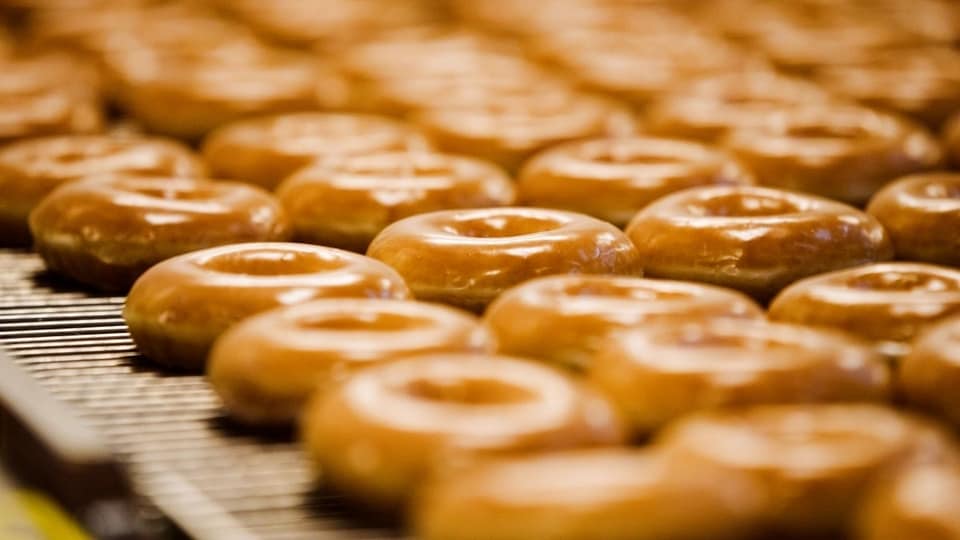
The companies’ doughnut deal began in October 2022 with a trial run at nine McDonald’s locations around Louisville, Ky. Krispy Kreme delivered Original Glazed, Chocolate Iced with Sprinkles and Chocolate Iced Kreme Filled doughnuts fresh daily, for purchase individually or in boxes of six.
For Krispy Kreme—which had struggled with franchisee bankruptcies and accounting problems in the years before it returned to public markets in 2021—the deal was a breakthrough. Not only had Krispy Kreme signed its first agreement with a U.S. restaurant chain, its new partner was an industry behemoth that could get doughnuts in the stomachs of millions of diners.
The company’s shares climbed by nearly 20% in the weeks after the announcement. It was a momentum shift after some investors had bet against Krispy Kreme as more Americans turned to injectable weight-loss drugs.
Results were promising enough that the companies in March 2023 expanded the test to 160 restaurants. McDonald’s a few months later pulled its own apple fritters, blueberry muffins and cinnamon rolls from the breakfast menu.
Many McDonald’s franchisees were pumped to carry treats from a recognizable brand. Some said their main concern was keeping employees from eating too many.
The companies in March 2024 announced that they would go nationwide—putting Krispy Kreme in all of McDonald’s U.S. restaurants by the end of 2026.
“Our fans’ love for Krispy Kreme runs deep,” Tariq Hassan, then McDonald’s U.S. chief marketing officer, said at the time.
Krispy Kreme’s stock surged. The expansion stood to nearly triple the company’s U.S. points of sale and add $340 million to $430 million in annual revenue, Krispy Kreme told investors. It said it would invest in dozens of additional production hubs.
But keeping up with the expansion stretched Krispy Kreme. As the rollout expanded last fall and winter, some franchisees said deliveries were irregular, with a day sometimes passing between each one. Service improved over time, they said, but bad weather and holidays sometimes left them short on doughnuts.
Quality was also inconsistent, some restaurant operators said. Doughnuts at times showed up with scant sprinkles, smeared with cream or cold.
Rising logistics costs, some related to the McDonald’s expansion, led Krispy Kreme in November to lower its full-year profit guidance. Krispy Kreme said sales were promising, aided by McDonald’s support for local marketing that included television, social media and billboard ads.
Krispy Kreme’s sales at McDonald’s were uneven.
By February, Krispy Kreme had expanded to 2,500 McDonald’s locations. It plowed cash into developing a “hub and spoke” distribution model with manufacturing sites and its larger retail stores supplying chains like McDonald’s.
Some Krispy Kreme stores were overwhelmed by the volume of pastries that they needed to make and pack for McDonald’s. One West Virginia Krispy Kreme retail location, for instance, was responsible for distributing doughnuts to more than 100 McDonald’s restaurants, including some many miles away.
Sales of the doughnuts across the McDonald’s network were uneven.
Krispy Kreme was on the hook for unsold doughnuts for the first three months at each McDonald’s location. McDonald’s operators could apply credits received from unsold products to subsequent orders. In one rural Kentucky store, roughly 20% of the doughnuts purchased ended up being returned during one month.
Price was also a factor behind the slower-than-expected sales, some McDonald’s operators said. In one Chicago location, a single doughnut cost between $2.19 and $2.59, with half a dozen going for $10.39.
“We sold probably 10 doughnuts in the last three months, I am not kidding,” one McDonald’s employee said on Reddit last week.
The company said that it was trying to address sliding sales at McDonald’s. Krispy Kreme reported a 15% drop in revenue for the three months ended March 30. Its $33 million net loss was nearly five times the level in the prior-year period.
By spring the partnership began crumbling.
Krispy Kreme in May said that demand for its doughnuts at McDonald’s locations had fallen below expectations, and it would pause further expansion.
McDonald’s said it “sought improvements across [Krispy Kreme’s] invoicing, operations, and distribution approach,” according to the internal franchisee message.
Less than two months later, the companies ended the deal. Fewer than 20% of McDonald’s 13,500 U.S. restaurants carried the doughnuts during the experiment.
McDonald’s operators are now looking for their next breakfast bet. The chain returned bagel breakfast sandwiches to its nationwide menu earlier this year, and a Spicy Egg McMuffin is set to debut July 8.
Write to Heather Haddon at heather.haddon@wsj.com