
 E-Paper



Windows 10 to stop updates, support from Oct 14: Here's all you need to know
Computers running on Microsoft’s 2015-vintage Windows 10 will receive no further updates from the company from October 14.

 Prefer HTon Google


American tech giant Microsoft’s plans to halt the updates for its Windows 10 system from October 14 have raised concerns among campaign groups and users who are now worried about buying new computers to get protection from cyberattacks.
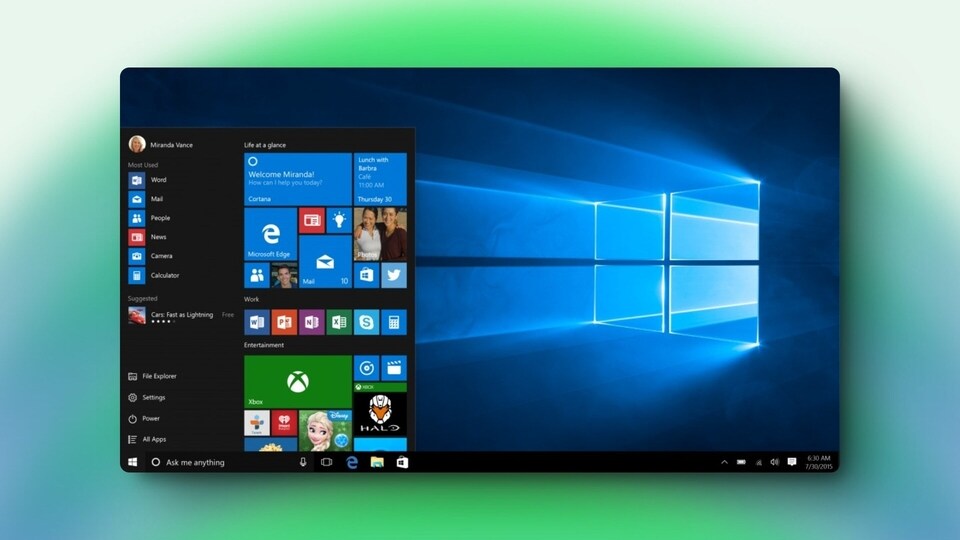
As the date for the end of support approached, here is what you need to know
What happens on October 14?
Computers running on Microsoft’s 2015-vintage Windows 10 will receive no further updates from the company from October 14. While the software will continue to function, the computer will no longer receive security updates. These updates were used to "regularly patch (update) the operating system because it had become the target of many cyberattacks", said Martin Kraemer, a computer security expert with American firm KnowBe4.
What does this mean for users?
With the end of support for Windows 10, Microsoft has urged its customers to upgrade to the latest version of its operating system, which is Windows 11, released in 2021. Calling this ‘more modern, secure and highly efficient’, it said that if the device does not meet the technical requirements for Windows 11, users can also replace the device. Further, the company is also offering a $30 one-year extension of Windows 10 security updates for users whose computer hardware is not compatible with the new operating system, which is called ‘Windows 10 Consumer Extended Security Updates (ESU) program.’
Consumer groups have blasted the move
Following the decision, several consumer groups and users have criticised the company, stating that they are being forced to upgrade. US campaign organisation, Consumer Reports, said in a blog post that the lack of compatibility for certain Windows 10 machines sold only a couple of years ago is a “blow to consumers' pocketbooks."
In Europe, French groups have stood including End Planned Obsolescence (HOP), starting a petition demanding free updates extending to 2030. Earlier in May, Germany's Verbraucherzentrale federation of consumer groups said that the move "worries consumers and leaves them unable to make free purchase decisions". They said that the new computers that will be purchased to keep up with updates are also bad for the environment.
Also read: Google unveils Windows desktop app: Features, limits, and early access
How many users are affected?
According to a report by AFP, while Microsoft declined to comment on the data of users, Consumer Reports tallied 650 million people worldwide still using Windows 10 in August. Another research group, the Public Interest Research Group (PIRG), estimated up to 400 million computers as being incompatible with Windows 11.
What are the dangers?
Users who will not switch to Windows 11 and not pay for the security updates are likely to face the threat of cyber attacks. "By receiving no updates, you're no longer protecting yourself against the most recent cybersecurity risks," security expert Kraemer said.
Further, with time, users might find themselves unable to install the latest third-party software as application vendors rely on the operating system vendor to provide certain features, said Paddy Harrington of American consulting firm Forrester.
What alternatives do users have?
Without the updates from Microsoft, even the most recent antivirus software might not be enough. "There's a limit to how much protection they can offer... It's much better than doing nothing, but it should be a temporary patch while you find a permanent solution," Harrington said.
Users can instead switch to a different operating system, such as the open-source alternative Linux.
(With AFP inputs)


