New research at the University of Cambridge across thousands of years of human evolution shows that skeletons have become much lighter and more fragile since the invention of agriculture — a result of increasingly sedentary lifestyles as humans shifted from foraging to farming.
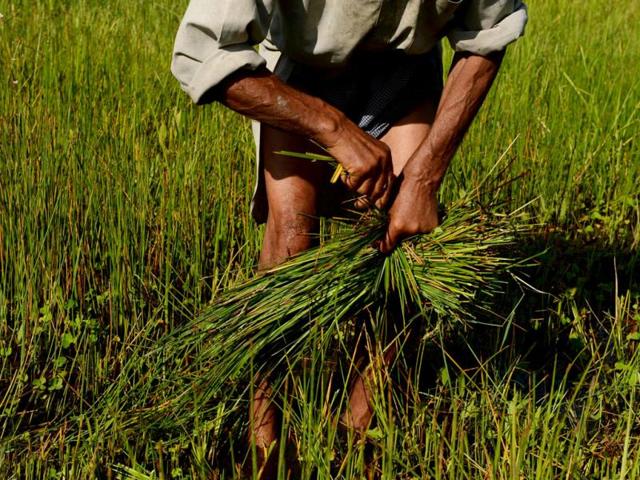
The new study, published in the journal PNAS, shows that while human hunter-gatherers from around 7,000 years ago had bones comparable in strength to modern orangutans, farmers from the same area over 6,000 years later had significantly lighter and weaker bones that would have been more susceptible to breaking.
Bone mass was around 20% higher in the foragers — the equivalent to what an average person would lose after three months of weightlessness in space.
“Contemporary humans live in a cultural and technological milieu incompatible with our evolutionary adaptations. There’s 7 million years of hominid evolution geared towards action and physical activity for survival, but it’s only in the last say 50 to 100 years that we’ve been so sedentary — dangerously so,” said co-author Colin Shaw from the University of Cambridge.
“Sitting in a car or in front of a desk is not what we have evolved to do.”
{{/usCountry}}“Sitting in a car or in front of a desk is not what we have evolved to do.”
{{/usCountry}}The release added after ruling out diet differences and changes in body size as possible causes, researchers concluded that reductions in physical activity are the root cause of degradation in human bone strength across millennia. It is a trend that is reaching dangerous levels, they say, as people do less with their bodies today than ever before. Researchers believe the findings support the idea that exercise rather than diet is the key to preventing heightened fracture risk and conditions such as osteoporosis in later life: more exercise in early life results in a higher peak of bone strength around the age of 30, meaning the inevitable weakening of bones with age is less detrimental.
There is no anatomical reason why a person born today could not achieve the bone strength of an orangutan or early human forager.