E-Paper



Nepal resumes vote for new constitution amid protests
Nepal’s lawmakers voted on amendment proposals in the final draft of a new Constitution on Sunday, aiming to promulgate the long-delayed statute within the next few days amid skirmishes in the violence-hit southern plains.


Nepal’s lawmakers voted on amendment proposals in the final draft of a new constitution on Sunday, aiming to promulgate the long-delayed statute within the next few days amid skirmishes in the violence-hit southern plains.
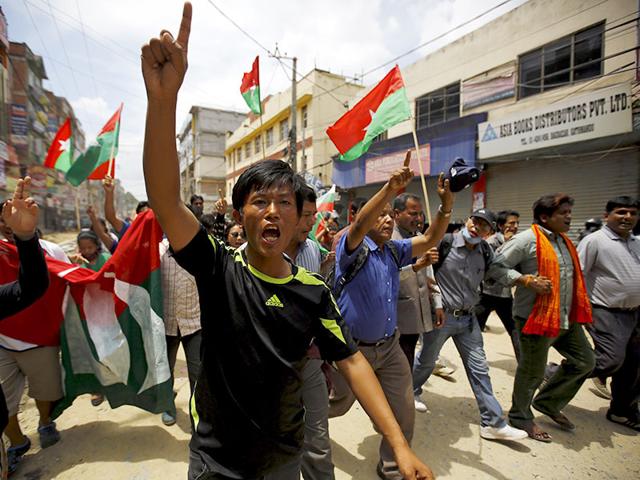
Clause-wise voting on each aspect of the draft will start on Monday after the Himalayan nation was besieged by weeks of clashes that left more than three dozen people, including 10 security personnel, dead and talks to resolve the crisis hit a dead end.
“Even after the constitution is promulgated, it can be amended. Therefore, I appeal to them to come for talks,” Prime Minister Sushil Koirala told the constituent assembly on Sunday, leaving the door ajar to accommodate demands of protesters.
Violence erupted in southern Nepal’s Terai region after the draft constitution was unveiled last month, with a proposal to carve the country of 28 million people into seven states or provinces.
Protests broke out as Madhesi and Tharu communities alleged that the plan to split their narrow region bordering India and merge the pieces into larger provinces with other ethnic groups would prevent them from getting adequate political representation.
The Madhesis want a bigger area than proposed in the draft finalised in the constituent assembly.
Thousands of people were out on the streets on Sunday to defy a curfew.
Parties from the region have quit the constituent assembly and refused to sit for talks till the political elite in Kathmandu pulled the army out of riot-hit areas and halt the constitution drafting process.
Nepal has been governed by an interim constitution for years now. A constituent assembly elected in 2008 failed to draft a new charter in four years, and a second assembly was elected in 2013.
Since an earthquake in April that killed thousands of people, there has been pressure on politicians to speed up the drafting process.
(With agency inputs)
Read:
Why India must speak up strongly on Nepal