E-Paper



Artworks to adorn govt hospitals to lift spirits of Bhopal gas tragedy victims
The move aims at making ambience of six government hospitals specialised on treating gas-tragedy victims more colourful and positive to fight depression among patients who have been suffering for last 33 years.

 Prefer HTon Google


Over 150 artists, sculptors and potters came together to contribute their creations to hospitals that treat victims of 1984 Bhopal gas tragedy, in what is viewed as a real-life adaptation of O Henry’s short story, The Last Leaf.
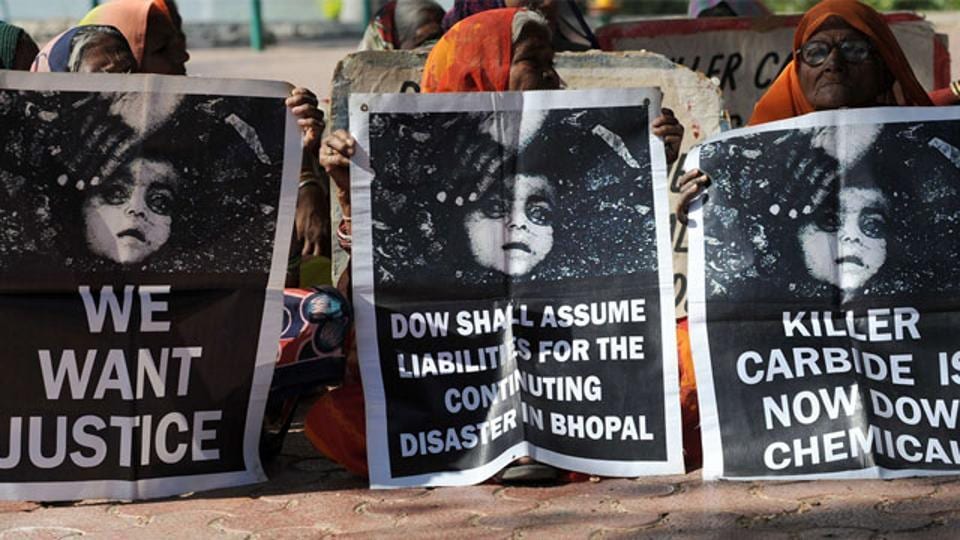
An initiative of Bhopal gas tragedy relief and rehabilitation department, the move aims at making the ambience of the hospitals more colourful and positive to fight depression among patients who have been suffering for last 33 years.
Paintings of rising sun, blooming flowers, green trees, smiling faces and other modern arts will now adorn the six government hospitals that specialised in treating victims of the gas tragedy, one of the world’s biggest industrial disasters.
These hospitals attend on an average 800 to 1000 patients of gas tragedy every day, department sources said.
Already over 250 artistic creations have been put up in the hospitals.
A deadly gas leak at the Union Carbide’s Bhopal plant killed over 3,000 people and maimed thousands of others more than three decades ago.
“Whenever we think about Bhopal gas victims, black and white pictures of bodies, carcasses and debris come to our minds. We talked to the victims and found that the depression is one of the major causes behind their illness. They are still living under the shadow of trauma. So by improving facilities and ambience in the hospitals, we hope to make them feel better,” said Vishwas Sarang, gas relief and rehabilitation minister.
Since the government did not have enough funds for the beautification of the hospitals, the department approached the artists for help, who enthusiastically donated their creations, the minister added.
The artists are happy to be a part of the noble initiative.
“We are feeling proud to be a part of this initiative. Nothing is better than healing a wound. Every artists try their best to bring a smile on the face of gas affected people,” said Devilal Patidar, a renowned artist from the city.
Patients expectedly were delighted.
“In the hospital, we have nothing to do except thinking about our incurable disease. But installation of paintings on the wall is soothing for our eyes,” said Salma Khan, 42, a patient admitted at Bhopal’s Kamla Nehru Hospital.
“The Last Leaf”, published in 1907, is the story of an old artist who saves the life of a young artist, dying of pneumonia, by giving her the will to live though a painting.