
 E-Paper



View: BJP's win in Chhattisgarh is bad news for Naxals
In Maoist-affected tribal Bastar, the BJP made a strong comeback winning nine out of a total of 12 seats.

 Prefer HTon Google


New Delhi: With BJP all set to form the government in Chhattisgarh, death knell has been sounded on Left Wing Extremism (LWE) in India as Home Minister Amit Shah and internal security agencies are determined to stamp out entrenched Maoists in Bastar district in the state. Besides 1200 strong core Naxal cadres present in south Chhattisgarh, the Maoists are also present in Gadchiroli in Maharashtra and in some pockets of Odisha.
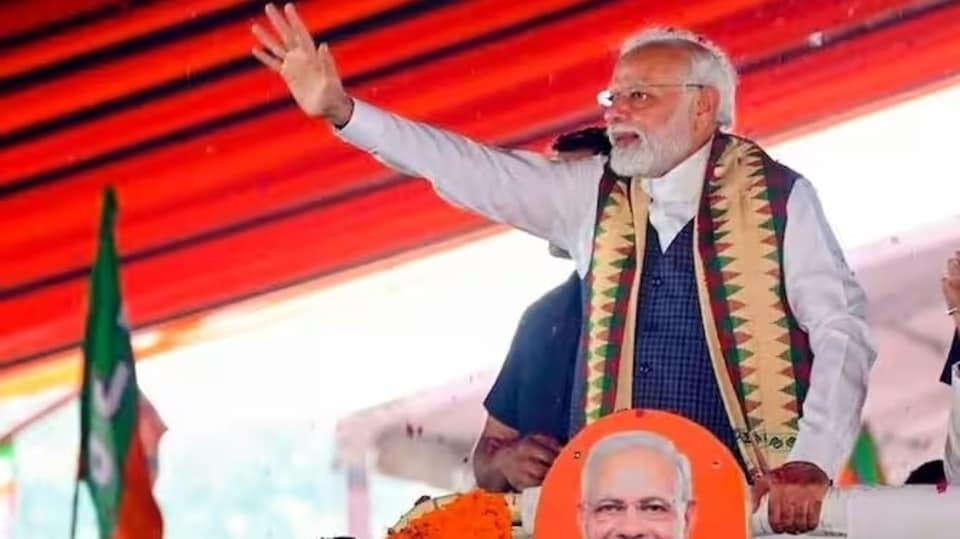
In Maoist-affected tribal Bastar, the BJP made a strong comeback winning nine out of a total of 12 seats. As of now, the BJP is leading in nine constituencies. Congress candidates are leading in three to four constituencies.
The Congress's over-emphasis on OBC politics, ignoring tribal issues of “Jal Jungle Jameen”, and other issues such as reservation might have contributed to the Congress’s defeat in the tribal belt, both in Bastar and Surguja region. In the Surguja region, the BJP is leading in all the 14 constituencies as of now as counting enters the crucial and final phase.
Why congress lost
The Congress party's defeat is attributed to internal strife, with allegations of leaders resorting to manipulation in certain constituencies. Additionally, the BJP's campaign against corruption, particularly concerning the coal scam, liquor scam, DMF fund scam, rice scam, and PSC recruitment scam, likely influenced urban voters. The BJP emphasized the Mahadev Book App illegal betting scandal, implicating senior politicians, government officials, and close associates of outgoing CM Bhupesh Baghel. During the elections, the Enforcement Directorate cited a statement from an accused implicating Baghel as one of the beneficiaries in the scam.
The Congress government faced criticism for alleged flawed PSC recruitment, leading to protests by Chhattisgarh youths. Moreover, Dalit youths staged a nude demonstration at the Vidhan Sabha, demanding action against individuals securing government jobs with fake caste certificates. Women in rural areas voted against Congress for reneging on its 2018 promise of liquor prohibition. The Congress's widely publicized paddy support scheme also failed to garner support in many constituencies. Some argue that the unfulfilled promise of a liquor ban adversely affected Congress, contributing to increased crime incidents.
Tribal discontent over the "prejudiced" PESA implementation and OBC dominance in the state, with Baghel's perceived one-sided favouritism toward the OBC community, may have been damaging for Congress, inadvertently benefiting the BJP. Throughout the campaign, the BJP aggressively targeted CM Bhupesh Baghel and the Congress for alleged corruption, making references to the Mahadev app scam, recruitment scams, coal transport, liquor, and the cow dung scheme. These accusations resonated with voters.
Internal conflicts within Congress, such as the public power struggle between TS Singhdeo and CM Bhupesh Baghel created a crisis within the party. The BJP's strategic focus on attacking Baghel during PM Narendra Modi's rallies turned the tide in its favour. The Modi factor, combined with accusations of corruption, weakened Congress at a time when there wasn't significant anti-incumbency.
Several seats were closely contested, and Congress suffered due to its inability to manage the political aspirations of smaller parties. The Hamar Raj Party and JCC chief Amit Jogi played roles in bleeding Congress votes. The Baghel government's emphasis on rural development neglected urban infrastructure, leading to a heavy electoral price in urban areas where Congress lost support.


