
 E-Paper



Why Parliament inauguration was a lost historic opportunity for the Opposition
The PM did not mention the word opposition or boycott in his speech, which was focused on making India a developed nation in the next 25 years.

 Prefer HTon Google


When Prime Minister Narendra Modi was making history by dedicating the new Parliament building to the nation on Sunday after installing the sacred Chola Sengol in the morning amidst chanting of Tamil scriptures, one Cabinet Minister quipped to another by saying that India now has the first Tamil Prime Minister. Both the Ministers incidentally belong to Tamil Nadu.
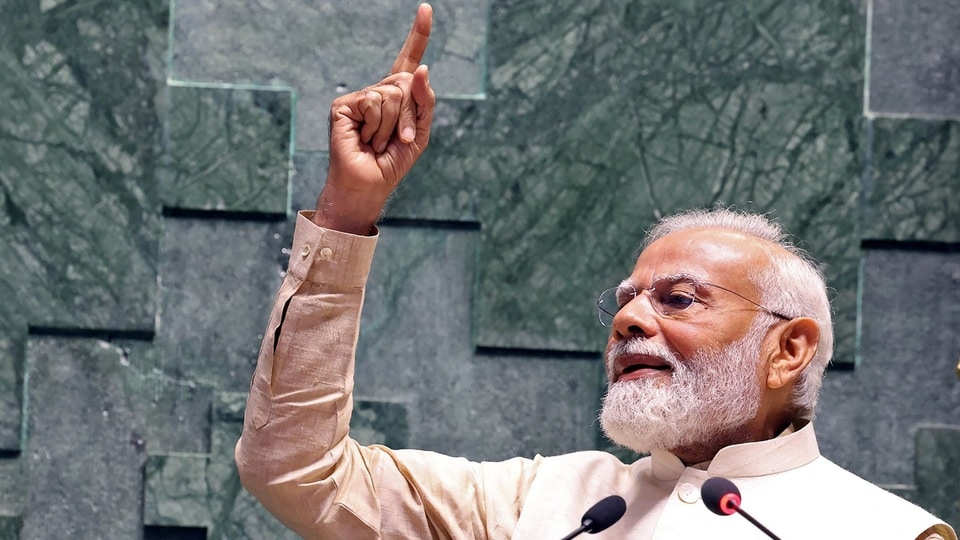
Read here: ‘Amrit Mahotsav gift’: PM Modi as Parliament gets new address
While the Opposition lived up to its name by boycotting the inauguration of the new Parliament building, the leaders of the 20 boycotting parties also missed a chance of having their name etched in the history of India’s illustrious democracy. When India will be celebrating its 100th year of independence and 25 years of new Parliament building, the opposition will be missing from the 2023 video archives in 2047. The PM did not mention the word opposition or boycott in his speech, which was focused on making India a developed nation in the next 25 years by following the “India First” mantra.
Although the Opposition cast aspersions on the Chola origins of Sengol, for PM Modi it was an iconic symbol to convey that civilizational India and its culture extends from Himalayas to the Indian Ocean. The installation of Sengol in the new Lok Sabha chamber also gave pride of place to South India particularly Tamil Nadu in the Capital city where politics of Hindi heartland seems to rule the day. In political terms, South India is also a priority focus area for the BJP with Finance Minister Nirmala Sitharaman and Foreign Affairs Minister Subrahmanyam Jaishankar force multiplying into efforts of local and central leadership led by Prime Minister Narendra Modi.
Apart from PM Modi, the other politician who appeared most happy was Home Minister Amit Shah, whose favorite heroes—Chanakya Vishnugupt and Vinayak Damodar Savarkar—find a place among the pantheon of Indian leaders in the new Parliament building. And the Parliament was inaugurated on the 140-birth anniversary of Hindutva leader and great freedom fighter Savarkar, who spend years incarcerated in “Kala Paani” jails of Andamans and Nicobar Islands.
Read here: PM Modi felicitates 11 workers who built new Parliament building, gifts shawls
By boycotting the inauguration of the new Parliament building, the Opposition also handed the entire historical event to the ruling party, its allies, and neutral parties as not a word from the political adversaries was recorded for posterity. Had the Opposition not boycotted the event, the leader of the main opposition party in Lok Sabha, Adhir Ranjan Chowdhary, could have recorded the illustrious contribution made by past Congress leaders, from Jawahar Lal Nehru onwards, towards laying the strong democratic foundations of India. The idea of even polarizing the public over a new national institution by the Opposition may have not gone down well with the electorate. After all, the inauguration was a national event not a BJP event.


