
 E-Paper



Baisakhi 2018: Date, history and significance of this harvest festival

 Prefer HTon Google


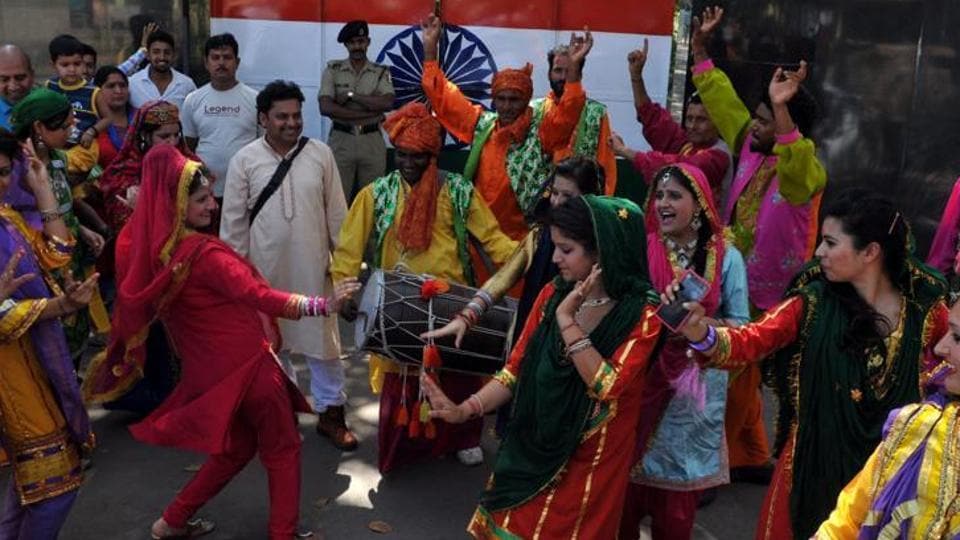
The festival of Baisakhi celebrates a plentiful harvest and marks the start of the Punjabi new year. We tell you more about the historical significance of the festival.
The festival of Baisakhi (or Vaisakhi) will be celebrated across Punjab on April 14 this year, based on the Nanakshahi and Mool Nanakshahi calendar.
The festival marks the start of a new year and the day when the Khalsa Panth was formed under Guru Gobind Singh, the tenth Sikh guru, in 1699.

Hindus believe that the occasion marks the descent of goddess Ganga on earth. In her honour, devotees gather for a holy dip along the banks of the river Ganga.
Being a harvest festival, it is celebrated by farming communities who express gratitude for a good harvest season, and pray for future abundance.
On Baisakhi, people dress in vibrant clothes and head to the fields to celebrate. There are chants of “Jatta aayi Baisakhi” (Baisakhi has arrived). Men perform bhangra while women perform the gidda to the beats of the dhol.
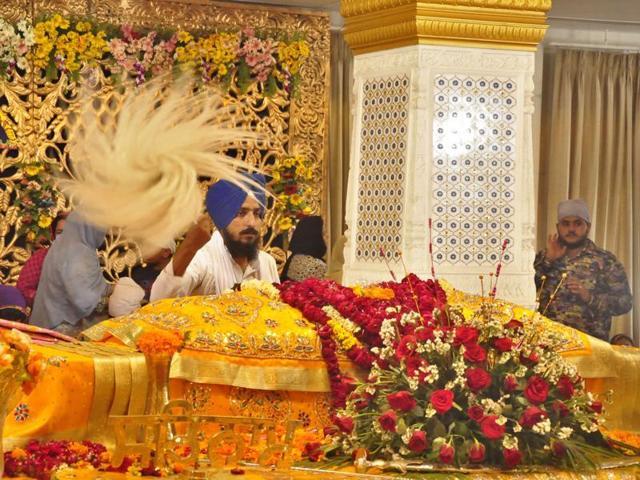
Gurudwaras will be lit up and decorated and devotees will throng to offer special prayers. Sikhs will also bathe in lakes and rivers, visit fairs and satsangs. After visiting the Gurudwara, there will be family gatherings and feasting.
Follow @htlifeandstyle for more


