
 E-Paper



Review: When Birds Talked by Neha Negi
Inspired by folklore, this collection of 10 tales about the birds of Uttarakhand looks at death, resurrection, transformation, and freedom

 Prefer HTon Google


Birds have long been metaphors of the human desire for freedom. Phrases like, “a free bird”, “clipped wings” and “caged bird” indicate our yearning for the unhindered life. To fly is to be free to move in any direction, to go with the wind, to be away from the mundane. Neha Negi’s When Birds Talked describes the primal desire “to be free and untethered, to soar through vast spaces without the weight of gravity.” In this collection of 10 folktales about the birds of Uttarakhand, the author also looks at the roles of birds in myths from across the world from Jatayu in the Ramayana to Vulcan’s eagle in Ovid’s Metamorphoses, to trace the shared themes of death, resurrection, transformation, and freedom.
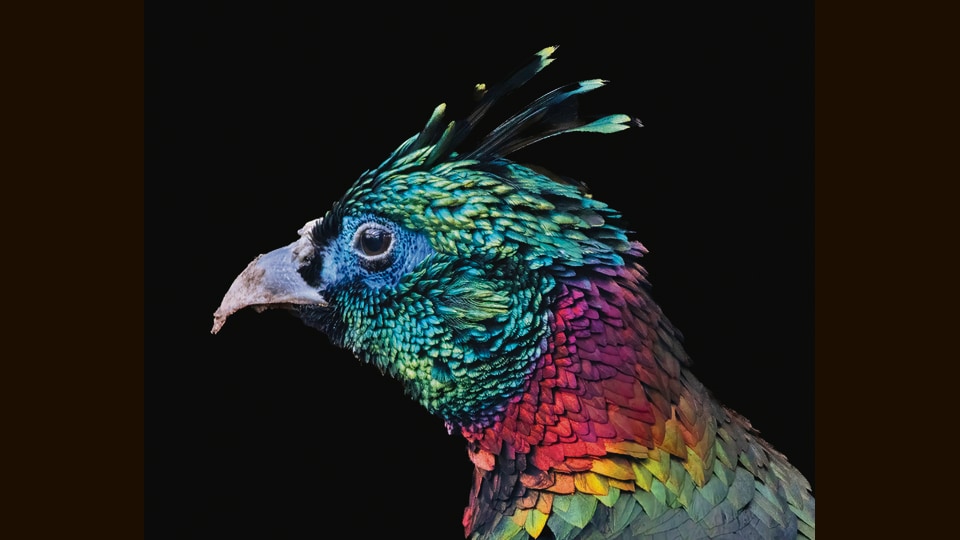
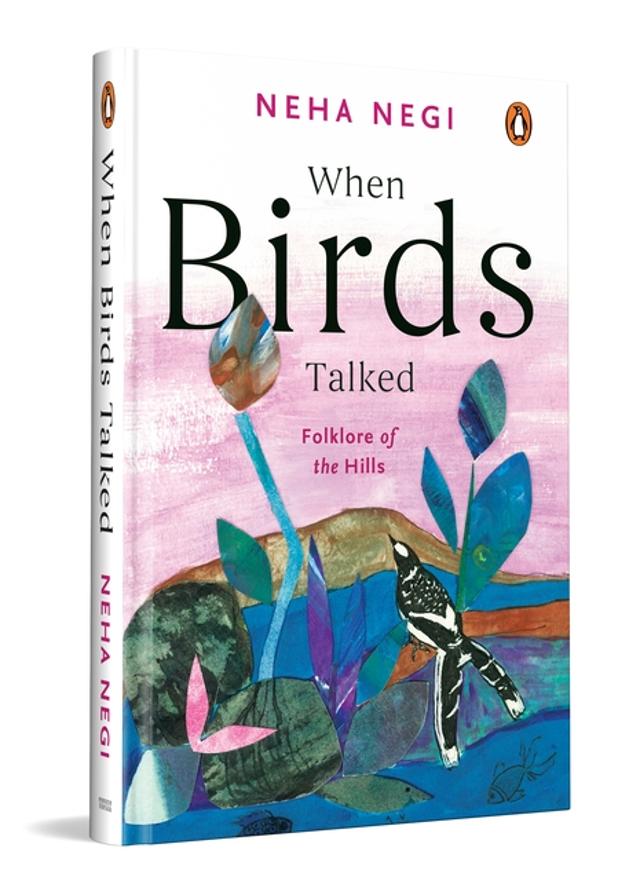
Each story is titled after a bird from the Himalayan state: Verditer Flycatcher, Green-backed Tit, Spotted Forktail, Fir-capped Tit, Himalayan Monal, Wedge-Tailed Green Pigeon, Blue Whistling Thrush, Asian Paradise Flycatcher, Black-Throated Tit, and Kalij Pheasant. Labelled “imagined fireside tales”, each of these parables reads like they are meant to be shared by the hearth, with children and adults alike surrounding the storyteller.
Negi keeps her stories simple and straightforward. The characters are in their youth which makes them the perfect vessels to impart life lessons on courage and honesty. Elements of magic appear, often in the form of local deities of Uttarakhand such as Chalda Mahasu, Suraai Maatri and Aanchri. Adding to the general sense of wonder are the author’s vibrant hand painted illustrations of village landscape, forests, human characters and birds.
Inspired by folklore, these tales entice readers to suspend disbelief and enter into a curious state where they accept magical elements as an active part of the surroundings. So dudhpari descends from the skies and into the forest to be with a human whom she cannot talk to; a princess becomes the woodwife of an old oak tree and lives in its shade, while her other self travels across the rainbow; and a forest fairy steals fire to drive early humans out of the forest to maintain ecological balance. Sometimes, humans turn into birds as a reward for their sacrifice, at other times, a new species of bird comes into being as a reward for a lone bird’s determination and hard work. When humans and birds consider themselves too smart to live within their kind, they are, of course, taught a lesson that again leads to the birth of a new species. Such is the magic that Negi brings into her folktales.
Good storytelling has the power to introduce readers to specific subjects without being burdened by fact. Stories may not provide the data but they show the reader why something matters. Here, Negi draws the reader’s attention to the rich diversity of the Himalayas that are home to more than 150 endemic bird species. Rampant tourism has led to an avalanche of plastic litter in the pristine mountains; “development” has led to hydroelectric projects submerging whole forests. All this coupled with climate change has led to a steady decline in the bird species of the region.

However, in the age of the Anthropocene, because the crisis is huge and worldwide, a sense of helplessness sets in even at the local level with people accepting that they themselves are insignificant and can therefore do nothing. In such a scenario, books like When Birds Talked rebuild readers’ connection with nature.
Even if such stories don’t lead to significant immediate change, there is a chance that they will encourage readers to wonder, like William Henry David does in his poem Leisure, why they no longer have the “time to stand and stare.” This, in turn, might lead them to join a birding group or pay more attention to the sights and sounds of local avian life. Indeed, Neha Negi’s stories encourage all who read them to reflect on humanity’s relationship with birds and nature at large. Today, the world might be lost to climate change but there is still a chance to preserve the remaining forests on this blue dot in the universe that we call home. When Birds Talked is a timely reminder of this possibility.
Akankshya Abismruta is a independent writer.


