E-Paper



Minor illnesses being treated under PMJAY, hospitals prefer SIAF
Sources in the health department said the main reason appears to be the difference in packages given under SAIF and PMJAY for treatment of various illnesses.

 Prefer HTon Google


The much hyped Ayushman Bharat-Pradhan Mantri Jan Arogya Yojana (PMJAY) scheme launched by the Central government was supposed to be a one stop solution for all illness, but it appears that the highest number of patients registered under PMJAY are for minor illnesses like fever, typhoid, cataract and caesarian delivery etc and the major diseases like cancer, heart surgery, knee replacement etc are being diverted under the State Illness Assistance Fund (SIAF), as per health department official.
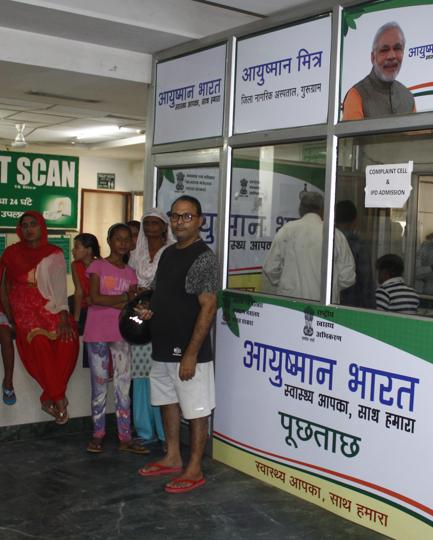
Sources in the health department said the main reason appears to be the difference in packages given under SAIF and PMJAY for treatment of various illnesses. For example for knee transplant the money sanctioned under SAIF is Rs 2 lakh, but under PMJAY it is only Rs 30,000.
“Not surprisingly, the private hospitals prefer to put the patient under SAIF,” a health department official said.
“After the launch of Ayushman Bharat, the footfall of patients has increased for serious ailments in the private hospitals but as many well-known hospitals have not empanelled themselves under the scheme the patients are being diverted to SIAF, which provides 4 to 6 times higher rates for treatment as compared to PMJAY. As a result there has been 25% increase in number of patients under SIAF in the last six months as compared to last year,” said an official, requesting anonymity.
According to an official, last year from April to December as many as 6200 patients got benefit but this year as many as 8400 beneficiaries have taken benefit under SIAF and the applications are still coming in higher numbers.
The diversion has not only increased the financial burden of the state government but also creating trouble in the successful implementation of the PMJAY scheme, officials said. While the centre provides 60 per cent of money under
“The purpose of PMJAY is not being served due to a parallel SIAF scheme but the department can’t close it down at one go so in a meeting of higher officials of health department decided to issue letters to all the private hospitals that if they do not empanel under the PMJAY, they won’t be part of any government scheme,” said another officer, who is not authorised to talk to media.
Health department commissioner Pallavi Jain Govil accepted that they had sent letters to all hospitals, which have not shown any will to join PMJAY, to empanel till January 31 or got out of preview of all the schemes.
MP Nursing Home Association (MPNHA) president Dr Anoop Hazela said, “There is a lot of confusion under the scheme. From packages to rules, hospitals can’t empanel till there is clarity. But at the same time, hospitals can’t deny treatment to patients so they are being treated under SIAF, which is more successful scheme.”
In MP, 472 diseases will be treated only in government hospital while 920 will be treated in private hospitals under PMJAY but only 72 hospitals have empanelled till now.
In MP, more than 18,000 people have been treated in the past 100 days under PMJAY. Out of total, 15,000 have been treated in government hospitals only.
Activist alleged that there are many irregularities are going on under SIAF and many private hospitals are flourishing due to SIAF only.
A health activist Amulya Nidhi said, “High level corruption is there in SIAF. Many high profile hospitals minted so much money under the scheme and we have exposed them many times. This sudden rise in number should be probed. PMJAY was launched without preparation and it would affect the patients in future.”