E-Paper



Over 5 lakh people to gather at Narmada’s source for mega event; NGT raises eyebrows
The tribunal has summoned Annuppur collector, officials of the Amarkantak municipal board, state forest department and the urban development department on April 27 and sought their response in this regard.

 Prefer HTon Google


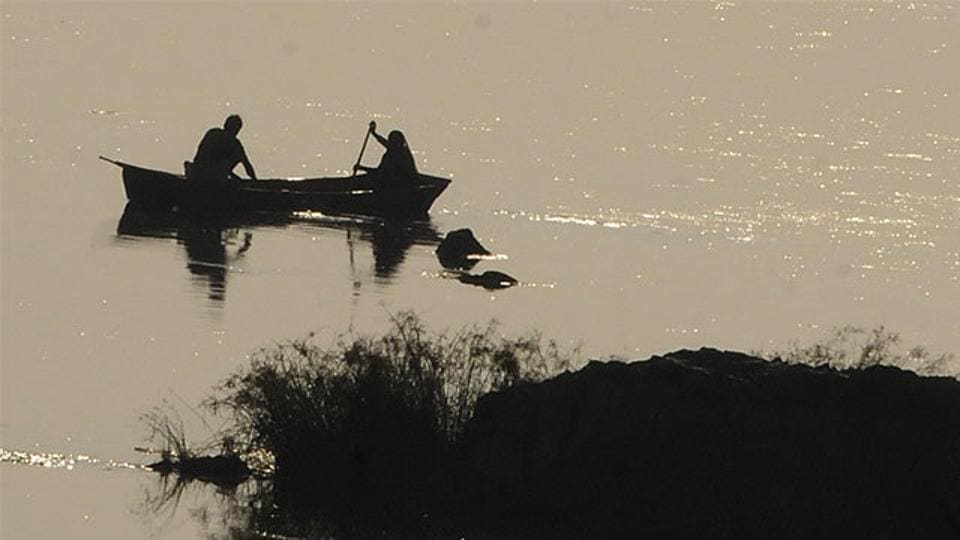
The National Green Tribunal (NGT) has sought to know from the Madhya Pradesh government measures taken or planned to avoid pollution of Narmada river at its source, Amarkantak, where five lakh people are expected to gather for the concluding ceremony of Narmada Seva Yatra on May 15.
Prime Minister Narendra Modi is also likely to participate in the event.
The tribunal has summoned Annuppur collector, officials of the Amarkantak municipal board, state forest department and the urban development department on April 27 and sought their response in this regard.
Recently, the green panel had come down heavily on Sri Sri Ravishankar’s Art of Living Foundation after its three-day mega-cultural festival in March last year, held on the banks of the Yamuna river, caused extensive damage to the fragile floodplain. An expert panel has said that the damage would cost more than Rs 42 crore and at least 10 years to fix.
The 1,312km-long Narmada originates from the Maikal Hills in Amarkantak, 1,057m above sea level, and runs through Madhya Pradesh for most of its part, before draining itself in the Arabian sea in Bharuch district of Gujarat.
It has been facing various threats and receiving pollutants from all kinds of sources over the years.
“Illegal sand mining, flow of sewage, solid waste, open defecation along the banks of Narmada, the fifth largest river in India, is polluting the river and affecting its ecology,” said environmentalist Subhash Pandey.
The forthcoming May 15 event has also sparked fears of a possible environmental impact.
Dharamveer Sharma, counsel of Amarkantak-based petitioner Sanjiv Tiwari, said if five lakh people assemble at a place and even half of them take bath in the river, it will pollute the river.
Madhya Pradesh government has claimed that the Narmada Seva Yatra, a pet project of chief minister Shivraj Singh Chouhan, is the world’s biggest river protection campaign.
Sachin Verma, counsel of the state government, told HT besides summoning the officials, the tribunal had sought to know what actions had been taken to comply with its earlier directions.
The green panel has been concerned about the ecology of Amarkantak. Last year in June, the central bench of NGT went to Amarkantak and held a special hearing of the case concerning environmental damage to Amarkantak.
In the case, petitioner Sanjiv Tiwari had raised environmental issues in the Amarkantak region like sewage being diverted without treatment into the river Narmada, issues of solid waste disposal and unauthorised and haphazard constructions of residential and commercial establishments
NGT had also sought response from the state government on whether it would consider carrying out a study of the area by an expert consultative committee for studying the ecosystem of Amarkantak area for preservation of its environment and keeping it pollution-free.