
 E-Paper



Book hoarder’s paradise: Why do we stock up on books only to read them at leisure?
As we are still getting used to the new normal of staying at home and practice social distancing safely amidst the coronavirus pandemic, most of us haven’t seen a brick and mortar bookstore or a library in the recent past, it makes me wonder if book hoarding really is the proof of being a book-lover.

 Prefer HTon Google


If an individual were to calculate their cash inflow and outflow by means of a balance sheet at the end of every financial year, book hoarders are one of the few spendthrift names that would definitely get a mention in what could be a list of defaulters. Just in the year 2019 alone, most of my savings have gone in hoarding books, bought at either the World Book Fair in New Delhi and the various bookshops I ‘stumbled’ upon on purposeful walks in that direction. Much to the chagrin of my family, and previously, various roommates over the years, the number of books strewn about could be a little more than the pieces of me I tend to leave behind wherever I’ve been.
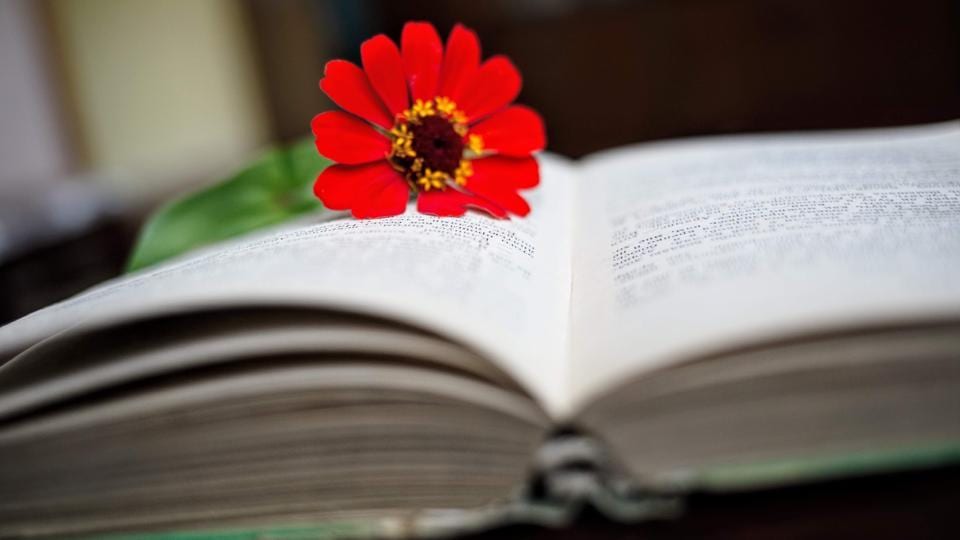
Now as we all get used to the new normal of staying at home and practice social distancing safely, most of us haven’t seen a brick and mortar bookstore or a library we might, at some point of time have thought prudent to become a member of. The year 2020, now in its second quarter, is going to be recalled as the year we all questioned our previous habits, whether it is our fashion choices, our hobbies, favourite pastimes, time management skills, travel plans, visiting cafes and bookstores amidst so much more.
Are book hoarders just book lovers or procrastinators?
The desire to buy more books than you can read in a lifetime is actually a fairly universal concept that first gained popularity from Japan. The word, Tsundoku, defined as the stockpiling of books that will never be consumed, is a Japanese portmanteau combining the words ‘tsunde’ (meaning “to stack things”), ‘oku’ (meaning “to leave for a while”) and ‘doku’ (meaning “to read”).
According to Quartz, tsundoku has an interesting place in history. It originated as a play on words in the late 19th century, during what is considered the Meiji Era in Japan. At first, the ‘oku’ in ‘tsunde oku’ morphed into ‘doku’, meaning “to read,” but since ‘tsunde doku’ is a bit of a mouthful, the phrase eventually condensed into ‘tsundoku’. And thus, a word for reading addicts was born.
ALSO READ: How to read a book in the digital age while we stay home and practice social distancing
Is book hoarding, however, a form of procrastination or tardiness? Some readers would staunchly disagree and blame it on long hours of working, followed by jostling in the crowd to get home and then having low or absolutely depleted levels of energy to pick up something to read, a book or Kindle or even headphones to aid listening to an audiobook. Some, however, out of sheer laziness (and possibly a lot of money at their disposal) buy books every other day, or maybe every day if visiting an e-commerce portal. But are those being read or just gracing their arms when travelling in public (for the studious effect, mainly) or their social media feeds with hashtags on point so everyone knows what you’re reading (not).
Simran Shaikh, a Globetrotting travel writer and voracious reader says, “I think procrastinators hoard books if they don’t read them immediately. Every book I have ever picked up has been read within the next few weeks at max. Except for the Twilight series, which I consider my biggest failure. I couldn’t finish that and I don’t think I still can. If you are an avid reader, you can’t sit idle knowing that a delicious story has been left unread. I think those who hoard books and don’t read it for months only want a cool backdrop for the next post on their Instagram feed.”
Book lovers speak:
“Whenever I go to a bookshop, I meticulously scan the various sections looking for something which might interest me. It does not necessarily have to be something I have to start reading immediately. And that is exactly what has happened- I’ve now got over 15 books lying in my cupboard which I haven’t read, but I don’t regret it at all, since there will come a time when I shall have the time to read them. The coronavirus epidemic seems to be a good time to start!” says Manohar Kadam, an IT Executive based in Mumbai.
Another avid reader and writer based in Delhi talks about adopting minimalism, and ‘Kon-Mari-ing’ your life especially during the current global scenario. She says, “During such testing times when the world battles a global pandemic, the idea of living and what matters has changed drastically. While hoarding more than you need is a wrong practice right now, we can still count upon the many priceless things most of us have been collecting for a while. Books are a big respite right now as the stories and characters give you hope for the future, a liveable future. While Marie Kondo gave us many ways as to how to declutter our living space and go minimal but that seems a bit irrelevant right now as the sentimental value is gaining back the attention it always deserved. We also need to be emotionally secure amid other social, economic and cultural changes. Books help with that as there are many such proofs in those pages as to how the human race fought many such testing battles and survived. Of course, we do not need many things we initially thought we did for a basic, simple lifestyle but we do need books, a lot of them to bind us together across ages, communities and get through such difficult times.”
Firdaus, a freelancer who has recently shifted base to the beach paradise Goa says, “I’ve always been confused where to read my books. Reading for me was inculcated in me as a habit by my parents since I was a child so there was no question of ever doubting this one hobby, but adulthood and its baggages also taught me that it’s okay to not lug around heavy books everywhere, which is when I shifted focus to digital reading, Kindle and audiobooks. I have a nomad-like streak having moved about a lot in my twenties and early-thirties, so now might be a good time to take account of the titles I want to keep, what I want to share or leave behind as tokens for the different people I meet through work or during leisure trips.”
What type of a reader are you? Let us know on our social media handles!


