E-Paper



Book Review: Mission Overseas looks at 3 key foreign missions of the Indian Army
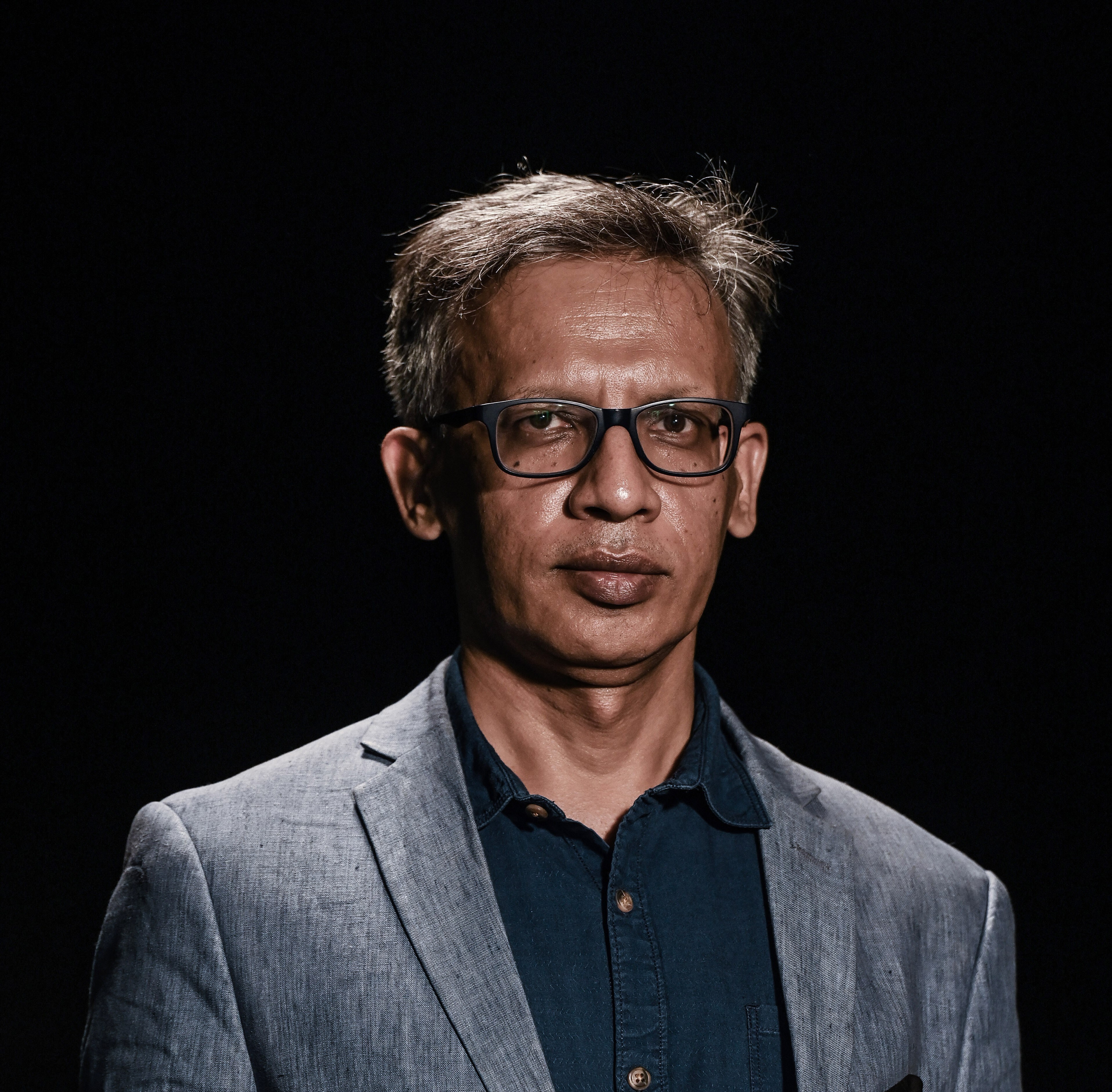
Army officer-turned-journalist Sushant Singh’s book examines three missions by the Indian Army on foreign soil and explains what they meant for the nation’s geo-political standing.


Military history is something that has been given short shrift in India for decades, though the last few years have seen several well-written books exploring various facets of India’s armed forces, from their role in politics to their involvement in the two world wars.
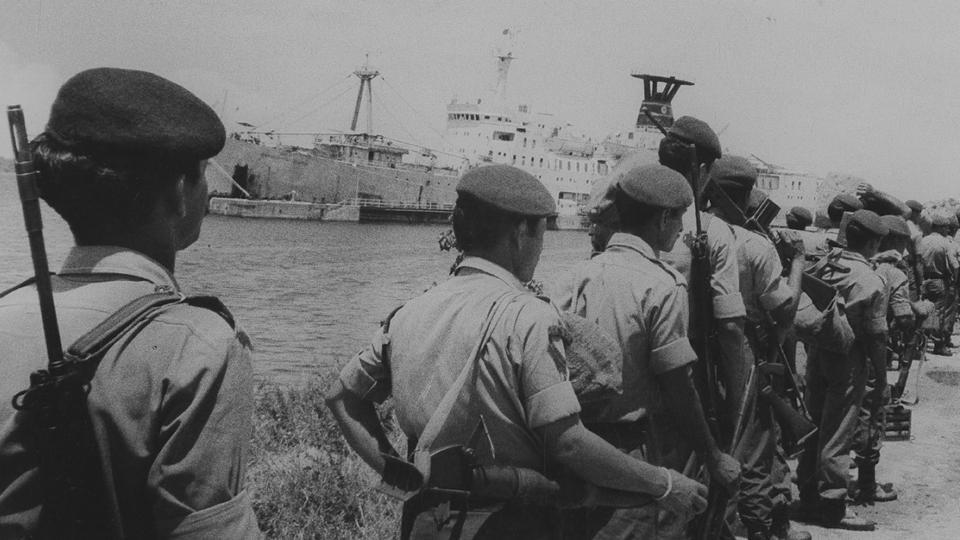
Army officer-turned-journalist Sushant Singh’s Mission Overseas works well because its confines itself to three missions by the Indian Army on foreign soil. In less than 200 pages, he packs in tremendous detail and explains why these missions were or weren’t a success and what they meant for India’s geo-political standing.
Many Indians would be aware of all three missions – Operation Cactus, the daring 1988 operation to thwart an attempt by mercenaries to oust President Maumoon Abdul Gayoom of the Maldives; Operation Pawan, the disastrous intervention by the Indian Peace Keeping Force in Sri Lanka; and Operation Khukri, which was mounted to rescue more than 200 Indian peacekeepers besieged by rebels in Sierra Leone in 2000.
But few would have heard about the minutiae that Singh has uncovered through his research and interviews with officials involved in the operations. For instance, the operation in the Maldives had all the makings of a disaster – troops were sent into action with tourist maps, coffee table books to identify landmarks and intelligence that harked back to World War II.
But quick decision-making by officials in Rajiv Gandhi’s PMO and the synergy between the civilian bureaucracy and the military leadership ensured the mission was a huge success that was hailed by Western leaders like British Prime Minister Margaret Thatcher and US President Ronald Reagan.
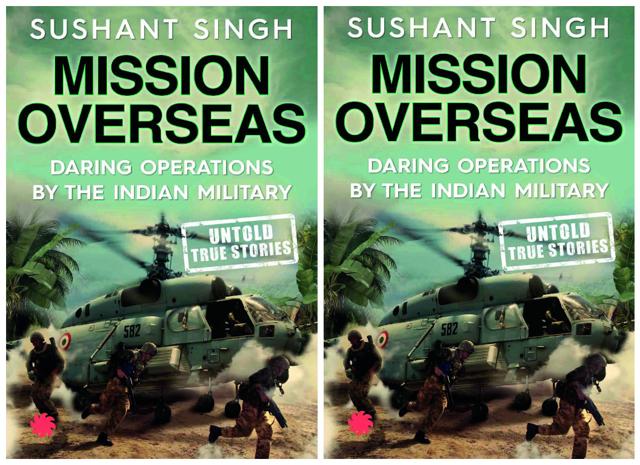
India’s intervention in Sri Lanka during 1987-90, when the IPKF went in to end fighting between the LTTE and Sri Lankan forces but instead ended up fighting the Tamil Tiger rebels, claimed the lives of 1,155 soldiers. It is also widely seen as the reason why New Delhi never deployed troops in war-torn countries such as Afghanistan and Iraq.
Numerous books have been written about the misadventure in Sri Lanka and even the most capable author would be hard-pressed to capture Operation Pawan in a fraction of a book running into 200-odd pages. Singh succeeds by resorting to the unusual but highly effective device of examining the mission in Sri Lanka through the massacre of 29 soldiers from the 13th Sikh Light Infantry during a poorly mounted heli-borne assault against the LTTE in Jaffna University.
The massacre is juxtaposed against the messy withdrawal by a group of para-commandos through civilian areas surrounding the university – the most gripping part of the book.
The section on the mission in Sierra Leone details the operation that resulted in the rescue of more than 200 besieged Indian soldiers for the loss of just one soldier and also raises essential questions about India’s involvement in UN peacekeeping missions. During an all-party meeting before the mission was launched, Congress leader Manmohan Singh, who was then leader of opposition in the Rajya Sabha, asked: “Why are we there in Sierra Leone in the first place?”
The initial plan for the book, Singh says, was to focus on five to six operations on foreign soil by Indian troops. But as it evolved, he decided to focus on the “three best” overseas operations that would highlight successes and failures.
“People have possibly heard of the Jaffna University massacre but few know how these soldiers were wiped out by a tough and well trained adversary. There’s also a lot of discussion on India always operating under the UN flag but we need to do away with this trope – it’s not always that easy as the mission in Sierra Leone showed,” he says.
Over the years, retired military officials have overwhelmed readers with clichéd, jargon-laden books but Singh, currently an associate editor with The Indian Express, is a refreshing change.
“Even the official history of the 1965 India-Pakistan is difficult to read. But we have decide who’s our audience – are we writing for 200 retired military officers or the ordinary reader,” Singh says.
On that count alone, Mission Overseas is a must read, both for casual readers and military history buffs.
WATCH: In conversation with author Sushant Singh
Follow @htlifeandstyle for more.