
 E-Paper



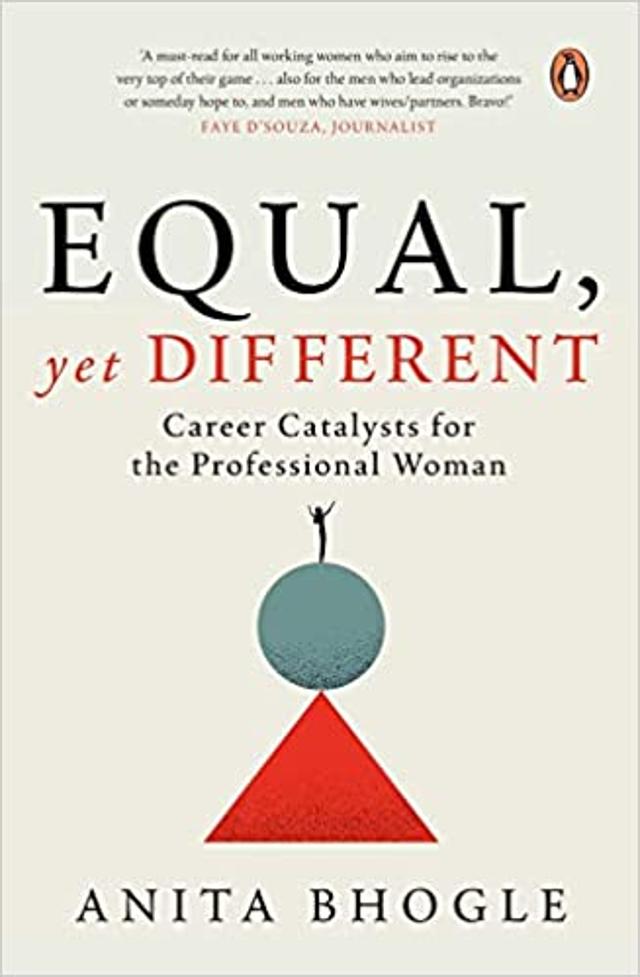
Excerpt: Equal, yet Different by Anita Bhogle
While the book largely deals with career catalysts for professional women, this extract provides inputs about the Work From Home experience that everyone can use

 Prefer HTon Google


The Pandemic — a Trailer for the WFH Experience
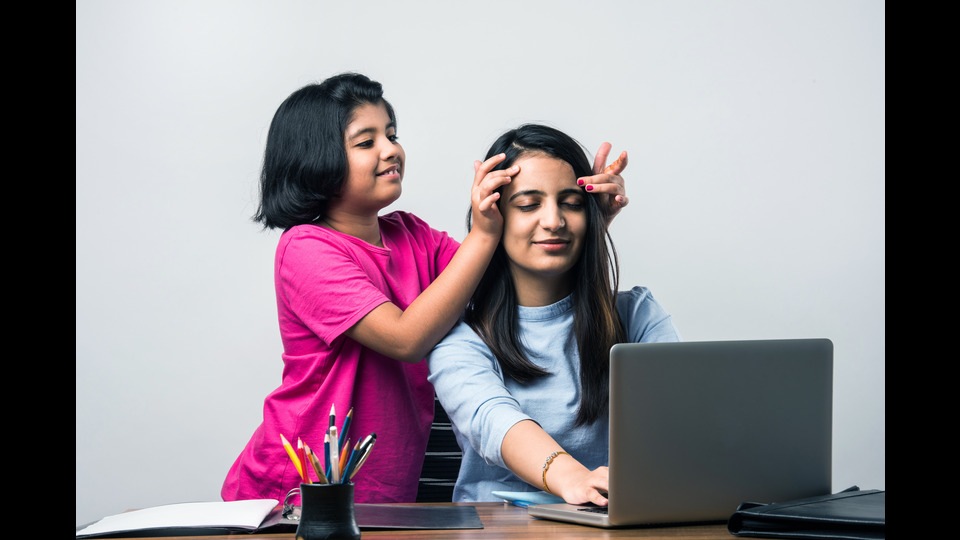
Making working from home productive takes a lot of self-enforced discipline. There are always so many distractions and little things that require attention at home, and with nobody really watching, it is so easy to slip into home mode and lose focus from work. For women in particular, the whole process of getting ready and commuting to work and back helps them switch from one mode to the other. The absence of that compartmentalization can be a struggle. So getting into work mode by moving into a demarcated space at a specific time and getting back into the home space to signify the end of the workday, can, to a large extent, serve the same purpose as the switch. It also helps send a signal to the kids or domestic help that when you are at work, you are not to be disturbed…
The biggest challenge around WFH is to simulate an office environment in a home situation. Creating your own office space is a must, and while working at the dining table was acceptable during the lockdown, it will not work as a long-term solution. Your office space needs to be sacrosanct, neat and tidy, comfortable and efficient. There is an amazing range of furniture, even space-efficient cubicles for small homes that emerged during the lockdown, thanks to some enterprising business folks who saw opportunity while people struggled to cope with the new realities of working from a home space. The office haven needs to be quiet, well-lit and with a steady Internet connection, given that all communication will be on the phone or the Net.
Women working out of smaller homes in cities like Mumbai struggled to create a dedicated office space at home. Once the novelty of working from home wore off, children walking into a virtual meeting started making for poor optics. Having kids and pets barging into a Zoom meeting might look cute in viral videos but not all bosses find the situation funny…
…In the absence of office rules and decorum, great self-discipline is required to be productive and efficient.
HR folks have been positioning WFH as being great for flexibility, something that millennials crave, but there is a real chance that the lines between work and home get so blurred that your work-life balance goes for a complete toss. Aishwarya is a consultant with a Big 4 firm and one of many youngsters who had to curtail their wedding festivities and settle for a low-key celebration during the lockdown because of the Covid-19 pandemic. It also meant that Ash and her husband Sid couldn’t go on a honeymoon, as planned. I assumed, therefore, that in the absence of the honeymoon, working from home would be perfect as it would give them more time to spend together and get to know each other better. ‘Earlier, clients at least threw in the customary “Sorry to disturb you over the weekend” line, but now they don’t even bother with that,’ she says. You are expected to be on call 24/7. ‘When the lockdown was strict, you couldn’t even say you had a family event or that you were on leave!’ she laughs. A woman’s handbag and the things it carries have been a subject of constant amusement to men. It gives an insight into the variety of jobs that women handle and the extent of our resourcefulness. What we don’t realize is that even when we go to work, we carry with us the remote controls to our homes and our children. Many women at the workplace use lunchtime to check things at home, give instructions to staff or follow up with the children. In a WFH situation, lunchtime and other breaks are no longer sacrosanct and work-life balance can, on occasion, get worse; not always better, as organizations would like to believe. WFH is being made out to be the panacea for retaining women in the workforce, but it is not that simple. Just having the lady of the house at home sees the entire family making demands on her. Most women find it difficult to say no to demands from loved ones and end up overstretching in the bargain. The mental switch, as I said earlier, is important for our sanity and when work invades the home, we need to draw the lines ourselves. No wonder there is a large number of women who prefer the routine of the office to the convenience of skipping the commute. The energy and buzz in an office atmosphere is what is probably the hardest to replicate, even on video calls, which is why a hybrid model where all employees work from the office for half the week and work from home for the rest, is likely to emerge as the most popular model…
The Downside of Flexibility
While flexibility is great and probably the primary reason that so many women look to WFH for part-time options, it is possible that every assignment that you turn down comes with the risk of missing out on future opportunities the same client or assignment could have paved the way for. Flexibility also cannot be the reason for compromising on the quality of work. You could choose to work for two hours, four hours or ten hours, but at all times you must stay committed to excellence. If career is a priority, then keep in mind that the inability to travel or attend conferences or courses can shrink your professional network and have a negative impact on your career in the long run.
Dropping out of the rat race is an acknowledgement of one’s inability to keep up with the work schedule that the world demands. The rat race involves constantly benchmarking yourself against others to see how well you are performing or if there are areas where you need to improve. Conversations with colleagues keep you sharp and constantly updated about what the others are working on or how they are investing in themselves. That happens naturally when you work full-time in a proper office environment. The absence of this benchmarking can steadily dull part-timers; it is a risk that is not always apparent.
When you are self-employed, you need to be just as professional as anyone who works for an organization. Your work needs to be thorough, deadlines need to be maintained strictly and you might need to spend from your own pocket on software, hardware, industry reports and other things that enhance your output. In fact, the absence of organizational backing means that you need to try even harder to generate business or deliver to satisfaction. Those working for themselves, too, have reputations to maintain.
While being self-employed and working out of home allows you to manage your day better, the flip side is that you could go through very lean periods when you have no projects coming. Being a one-woman army (which is most often the case), you need to do all the work yourself and that includes rather mundane jobs like doing your accounts and even couriering documents; things that typically other people do when you work in organizations. You crave for the network, the office lunches and the gossip. Having run a home office for close to two decades, I can tell you that to run it like a truly professional outfit requires a great deal of discipline. It is very tempting to slack off instead of learning something new when you have nothing urgent lined up. The trick is in recreating the office experience…
WFH — Opportunities in the Post-Pandemic World
As things limp back to normal, we find many jobs lost and several businesses shut down. With increased safety concerns and social distancing norms, support systems like crèches have either shut down or have become more expensive. Early reports suggest that more women have lost jobs during the pandemic, compared to men. So, while there are some new opportunities, there are also new concerns. Only time will tell how things will pan out for women and how many will choose to make home their new workplace.
As I write this, we have still not completely recovered from the pandemic, and an extraordinary event of this kind has the potential to change the world forever. It seems very likely that working from home in varying degrees will become the norm as a large number of people will work on contracts, not be employees of companies. Their skills will define their role, and unlike today, they will be recognized by their role-based personal brand rather than the companies they are associated with, quite like specialist T20 players who have specific skill sets for which they are selected to play in different leagues all over the world. Technology and good Internet speeds will help the trend of being location-agnostic become more implementable. Digitalization of many sectors like education, healthcare and media will rapidly accelerate, making many services go online and opening up a large number of opportunities to work from home. The gig economy will be here sooner than we think. It will bring a lot of opportunities that would be in the nature of projects or assignments instead of regular jobs. As people go from assignment to assignment with possible gaps in between, work life may cease to go on in a linear and continuous fashion, giving legitimacy to interrupted or irregular careers. Traditionally, women who wanted to return to work after a break had to justify or feel embarrassed about gaps in their résumés, but that could well become the new normal. However, in such a situation where there is no job security, constant upskilling and reskilling would be critical for many job profiles. Communication, public relations (PR) and the power of negotiation will be the individual’s responsibility and therefore essential skills to get assignments. Typically, these have been seen to be female limitations and they will need to be worked on. Flexible work hours, part-time opportunities and WFH options for professional women could prove to be potential game changers but only if women approach them smartly.

PAUSE
- Those who work from home miss these aspects of going to the office:1) Dedicated and distraction-free time for office work (whatever the number of hours you choose to work. 2) People interaction and learning opportunities 3) A return to home life after office work is done.
- Find ways to improve productivity, focus, networking opportunities and commitment to excellence while enjoying the flexibility of working from home.
- Since it seems most likely that workplaces will follow the hybrid model, organizations need to find ways to keep WFH employees included, engaged and productive.
Making WFH Effective
The secret to making WFH effective and productive is to try and recreate the office atmosphere at home. It does not matter whether you work full-time, part-time, a few days of the week or temporarily from home.
1. Allocate a specific, dedicated space as your workplace. It should ideally be a room or at least a desk. Your family and domestic help need to be told that when you are at work, you are not to be disturbed.
2. Get organized. Give all instructions to the family and help before you get started.
3. Try to stick to fixed work hours. Dress for work. These help in mentally switching on and off from work.
4. When on conference calls, see that you don’t always keep the video off. Getting sufficient face time with your colleagues and boss is important for team bonding and building trust.
5. Invest in office furniture, technology, industry research, etc., to ensure productivity.
6. Use free time to read material related to your work, enrol in online courses, etc., to keep yourself up to date. If you are disciplined and committed to excellence at all times, it helps getting back to working from an office, in case that is required.
7. Keep lunch light and quick, especially if you plan to continue working after lunch.
8. Divide household responsibilities among family members so that you don’t struggle to complete your workload.


