
 E-Paper



Are your sitting habits hurting your spine? Orthopaedic surgeon reveals all about the posture improvement tools
How can you keep your spine healthy while sitting? 10 tools that can help improve your posture and develop better sitting habits for your overall well-being.

 Prefer HTon Google


Our Picks
Our Picks
| Product | Rating | Price |
|---|---|---|
Frido Ultimate Pro Seat Cushion & Posture Corrector Backrest Cushion Combo | Relieves Back | Coccyx Pain | Hi-Per Foam Tech for Orthopedic Support | for Long Sitting Hours on Office/Home Chair | GreyView Details  | ₹2,999 | |
 | ||
YOODESK Dual Motor Electric Height Adjustable Desk Frame, Fits Table Tops 100-180cm Wide, Anti-Collision, 3 Memory Presets, Industry-Grade Steel, 3-Year Warranty, Sit-Stand Standing Desk Frame | BlackView Details | ₹22,999 | |
| ||
Ariro Wooden Wobble Balance Board for Kids & Toddlers | Montessori Curvy Board | Builds Confidence & Creativity | Beech Wood | Age 9M to AdultView Details | ₹3,351 | |
| ||
WiseLife Extra Large Cork Yoga Blocks | High-Density, Premium Cork | Non-Slip, Odor-Resistant, Soft Surface for Balance, Support & Stability | Ideal for Yoga, Pilates & Exercise (Set of 2)View Details | ₹1,420 | |
| ||
AGEasy (Max Group Posture Corrector Belt for Men & Women, Adjustable Back Brace for Upper Back & Shoulder Support, Breathable Back Straightener Belt with Soft Pads for Neck & Back Pain (Long Slim)View Details | ₹999 | |
| ||

Research-Backed Choices
Every product we recommend is chosen through a combination of Primary Research and Secondary Research.
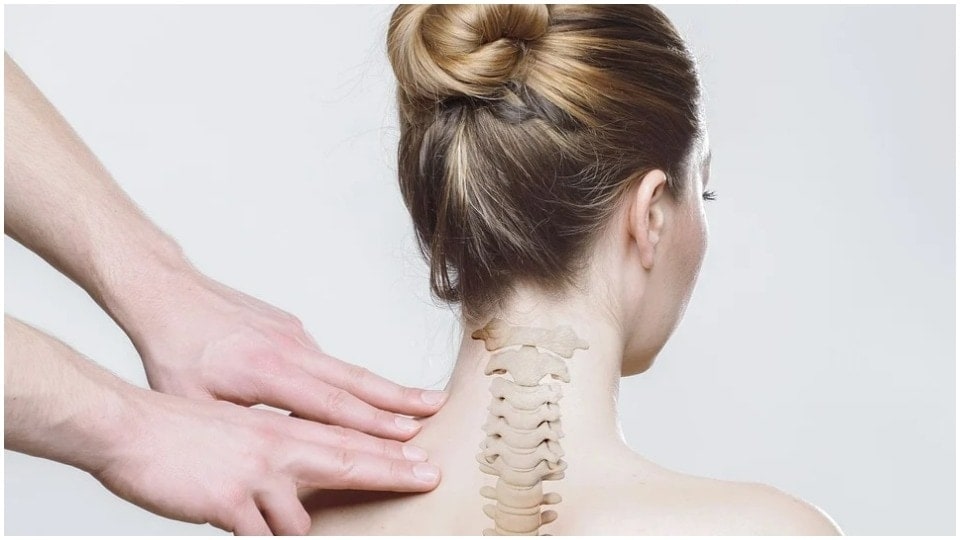

Back-to-back meetings, tight deadlines, and long hours at your desk can make you lose track of time. You might put off standing up, forget to stretch, and suddenly the whole workday has gone by without moving much. Sitting for a long time not only makes you feel stiff but can also harm your health, especially your spine. Sitting puts more pressure on your lower back than standing does, and the longer you sit in one position, the more strain it creates. So, how can you sit to protect your spine? Is there really an “ideal” posture?
Orthopaedic surgeon Dr Dhananjay Gupta has an important question about spine health: what is the best sitting posture, and does it even exist? He tells Health Shots how different sitting positions affect the spine and which posture is the healthiest overall.
Is there a perfect way to sit?
Is sitting up straight really better for your spine than sitting a little slouched? Dr Gupta answers this common question and explains that the answer is neither. It’s not about keeping one strict “perfect” posture but about how long you stay in any one position. "What is the right way to sit? Is it number one, sitting straight, or number two, sitting slightly slouched? If you picked number one, you're wrong. If you picked number two, you're also wrong because no single posture can fully protect your spine” says the surgeon.
These helpful tools make it easier for you to sit comfortably:
- Desk height adjuster: A height-adjustable desk lets you easily switch between sitting and standing. This can improve blood flow and reduce strain on your body.
- Lumbar support pillow: You can add this to any chair to improve lower back support and keep your spine aligned.
- Footrest: Helps keep your feet in the right position and reduces stress on your lower back. This is especially important if your chair is not the right height for your desk.
- Anti-fatigue mat: If you use a standing desk, an anti-fatigue mat can make standing more comfortable and provide support.
- Seat cushion: A high-quality seat cushion can improve comfort by providing extra support.
What's the worst position for your back?
Sitting puts more pressure on the spine than standing does. However, sitting up straight for too long can increase pressure on the spine. Slouching, on the other hand, shifts the weight and adds stress to the spinal discs. “Sitting puts more pressure on your lower back than standing. Research shows that trying to sit up straight for a long time can actually increase pressure on your spine because your core muscles stay tense. On the other hand, slouching flattens the natural curve of your spine and can add even more stress to your discs,” says Dr Gupta.
Is sitting up straight bad for you?
Sitting up straight or slouching for a long time is not safe. A slightly reclined position with good back support is better because it puts less strain on your spine. However, you shouldn’t stay in this position for too long without moving. It's important to get up and move around regularly.
“You should avoid sitting perfectly straight or fully slouched for long periods. A slightly reclined position with good back support is better for your spine. However, staying in that position for too long can still cause problems. Your spine is made of 24 movable vertebrae, soft discs, ligaments, and muscles. It is designed to move, not to be stiff,” explains Dr Gupta.
What is the best posture position?
The best posture is the one you change often. Any position can put more pressure on your spine if you stay in it for too long. It’s not about having the perfect posture, but about moving regularly and mixing up your positions.
"Holding any posture for too long can be stressful, even if it's a good one. The key point is that the healthiest posture is the one you change often. Your spine is meant to move, not stay in one position," explains the surgeon.
To improve your posture, you can use various helpful tools:
- Standing desks: Elevatable desks let you switch between sitting and standing. This helps reduce back strain and improves your posture.
- Posture correctors: These wearable devices help you straighten your shoulders and spine. They are especially useful for people who often slouch.
- Foam rollers: These activities can help reduce muscle tension and increase flexibility. This can lead to improved posture over time.
- Balance boards: Standing on a balance board engages your core muscles. This can improve your balance and posture.
- Yoga blocks and props: Adding these practices to your routine can help you become more flexible and improve your alignment, which is important for maintaining good posture.
(Disclaimer: At Hindustan Times, we help you stay up-to-date with the latest trends and products. Hindustan Times has an affiliate partnership, so we may get a part of the revenue when you make a purchase. We shall not be liable for any claim under applicable laws, including, but not limited to, the Consumer Protection Act, 2019, arising from the products. The products listed in this article are in no particular order of priority, and the brands have not been directly suggested by the expert mentioned.
This article is for informational purposes only and is not a substitute for professional medical advice. Always seek the advice of your doctor with any questions about a medical condition.)

Catch your daily dose of Fashion, Taylor Swift, Health, Festivals, Travel, Relationship, Recipe and all the other Latest Lifestyle News on Hindustan Times Website and APPs.


