
 E-Paper



Gastronomika and the regeneration plate
The 27th edition of Gastronomika called for regeneration, the active restoration of damaged ecosystems, and the revival of forgotten culinary traditions

 Prefer HTon Google


“Culture isn’t cooked, it’s lived, and cooking is an expression of culture,” remarked Rafa Costa e Silva, head chef of La Sai restaurant, Rio de Janeiro, at Gastronomika 2025, one of the most important events in the food world, Sustainability, once the emblem of conscious cuisine, no longer carries the weight of the culinary future. The mission has grown bolder: to restore what the world has already lost. Chefs are stepping beyond the kitchen, embracing roles as architects of heritage and caretakers of ecosystems as they navigate a planet marked by climate upheaval, vanishing biodiversity, and fading traditions.
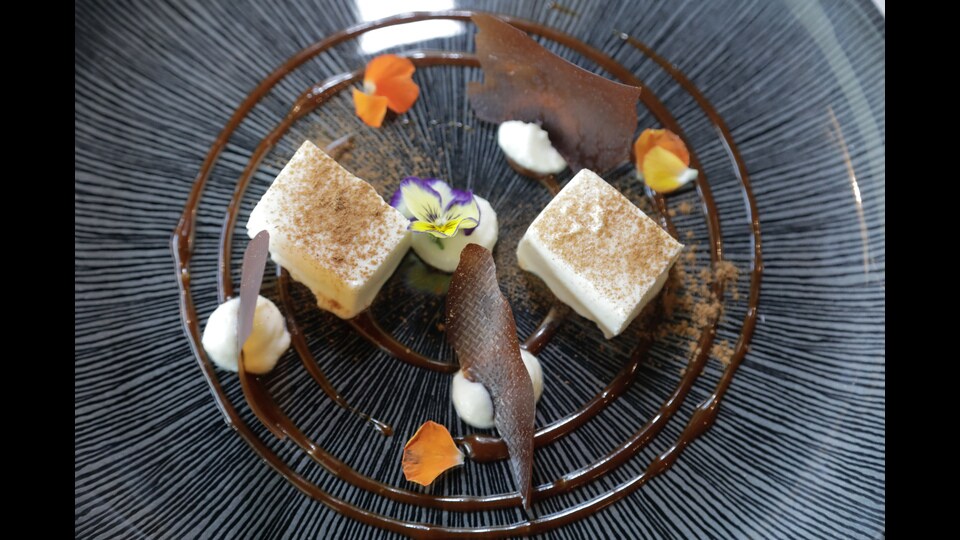
At the 27th edition of Gastronomika held from October 6 to 8, 2025, at Kursaal Congress Centre in San Sebastián, Spain, the ocean took centre stage, as chefs and researchers alike celebrated “super blue foods” — algae, seaweed, and other often-overlooked marine species that are both nutrient-dense and environmentally gentle. Unlike traditional land-based agriculture, which drains soil and sullies freshwater with chemical inputs, thoughtfully-cultivated marine foods can restore ecosystems, improve water quality, and even capture carbon, offering a blueprint for regenerative nourishment from the sea.
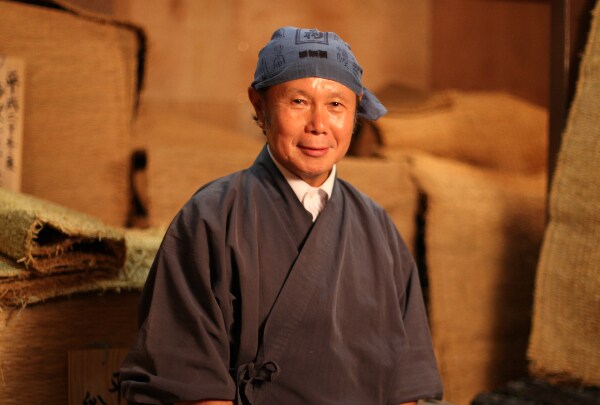
Fourth-generation seaweed producer Takashi Okui shared the most compelling case study. His family’s company, which was set up in 1871, has specialised in kombu seaweed for 154 years, and has hosted culinary luminaries like Pascal Barbot, René Redzepi, and Alain Ducasse. Okui presented kombu as a complete regenerative system. His company employs a technique called kuragakoi which involves ageing kombu for years, sometimes decades, in carefully controlled warehouses. Some of their inventory dates back to 1889. This extended maturation develops unique flavour compounds, including five special components and elevated glutamic acid not found in fresh kombu.
The parallel to wine ageing is deliberate. Chefs from Kyoto call to request specific vintages: 10-year-old kombu, 15-year-old kombu, matching the ingredient’s character to their culinary vision. Chef Hideki Matsuhisa of Barcelona’s Koy Shunka emphasised the educational challenge: over 3,000 Japanese restaurants exist in Spain, but most don’t make authentic dashi broth. Instead, they rely on instant powder concentrates. The convenience is understandable, but the difference between powder and properly prepared kombu-katsuobushi dashi is substantial. The implications extend far beyond Japan. Coastal regions from Kerala to Norway possess dramatically different marine ecosystems that remain underexploited with seaweed cultivation remaining marginal in most places. If it is practised at all, it is primarily for industrial extraction and not for human consumption.
What’s missing is the cultural infrastructure: the training, the markets, the culinary traditions that would make these ingredients desirable rather than merely available. Roderick Sloan, the Norwegian chef-fisherman-diver, has pioneered kelp farming in Scandinavian waters while documenting stock recovery in previously overfished areas, demonstrating that marine cultivation can support rather than deplete ocean ecosystems. Gastronomika’s agricultural discussions further revealed how thoroughly regeneration thinking has penetrated European farming, particularly in the Basque region.
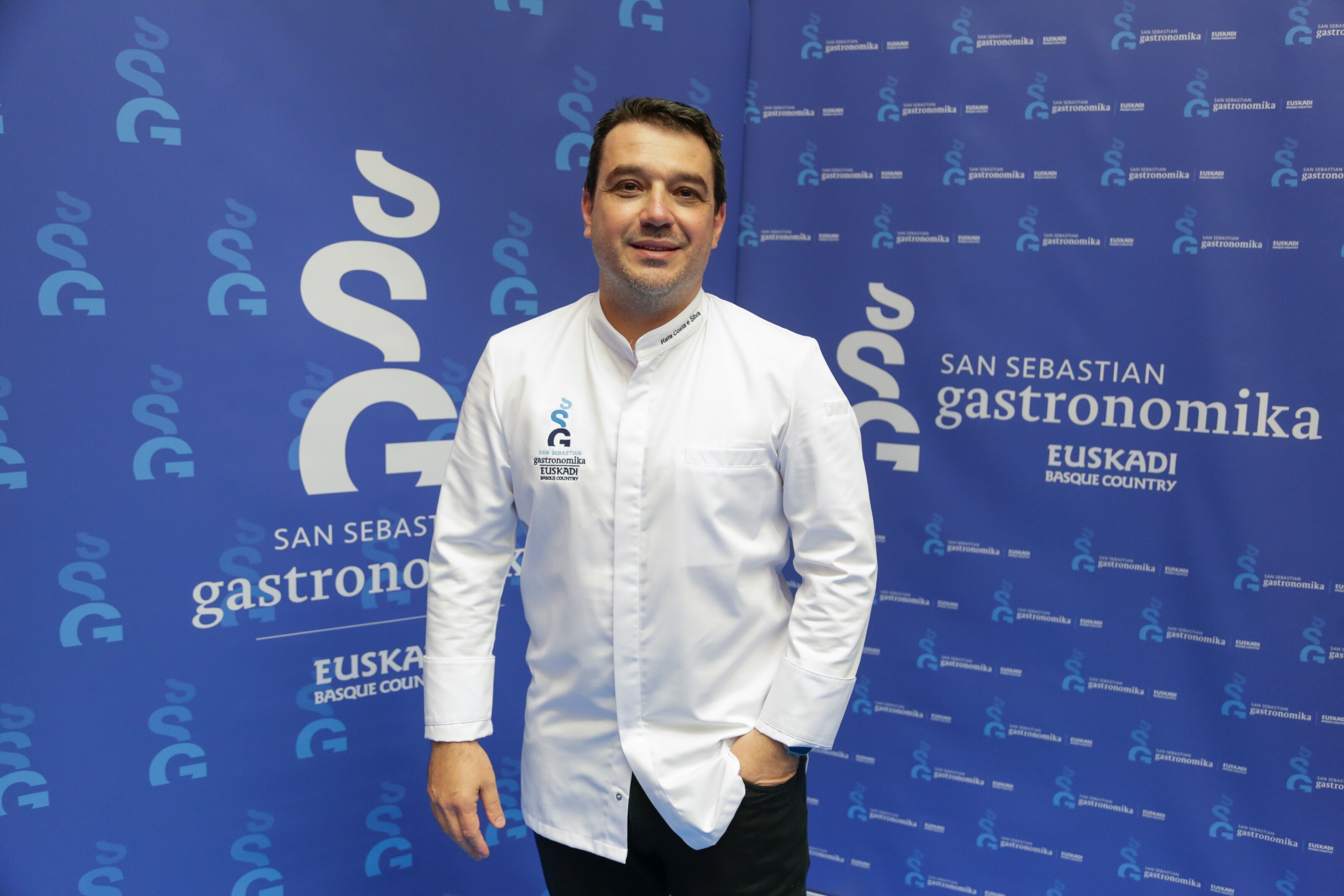
Chef Rafa Costa e Silva’s Lasai restaurant maintains a 10,000-square-metre kitchen garden in the mountains 90 minutes from Rio, operating on a fundamental principle.
He notes, “The product is always before the menu. We never have a defined menu, which doesn’t make any sense to me. Maybe you’re making a turnip dish, but there’s no turnip this week. So, what do you do?” This philosophy, radical in its simplicity, inverts conventional restaurant logic. Rather than designing dishes and then sourcing ingredients to execute them, Costa e Silva builds his menu around whatever the garden provides at peak quality. The Basque Country itself has become Europe’s regenerative agriculture laboratory. Its topography, the steep hillsides, abundant rainfall and relatively small landholdings never suited industrial monoculture. When the broader European agricultural sector embraced mechanisation and chemicals in the post-war decades, Basque farmers maintained more diverse, smaller-scale operations by necessity. Practices include minimising tillage to preserve soil structure, maintaining permanent plant cover to prevent erosion, integrating livestock to cycle nutrients, and actively building organic matter content through compost.
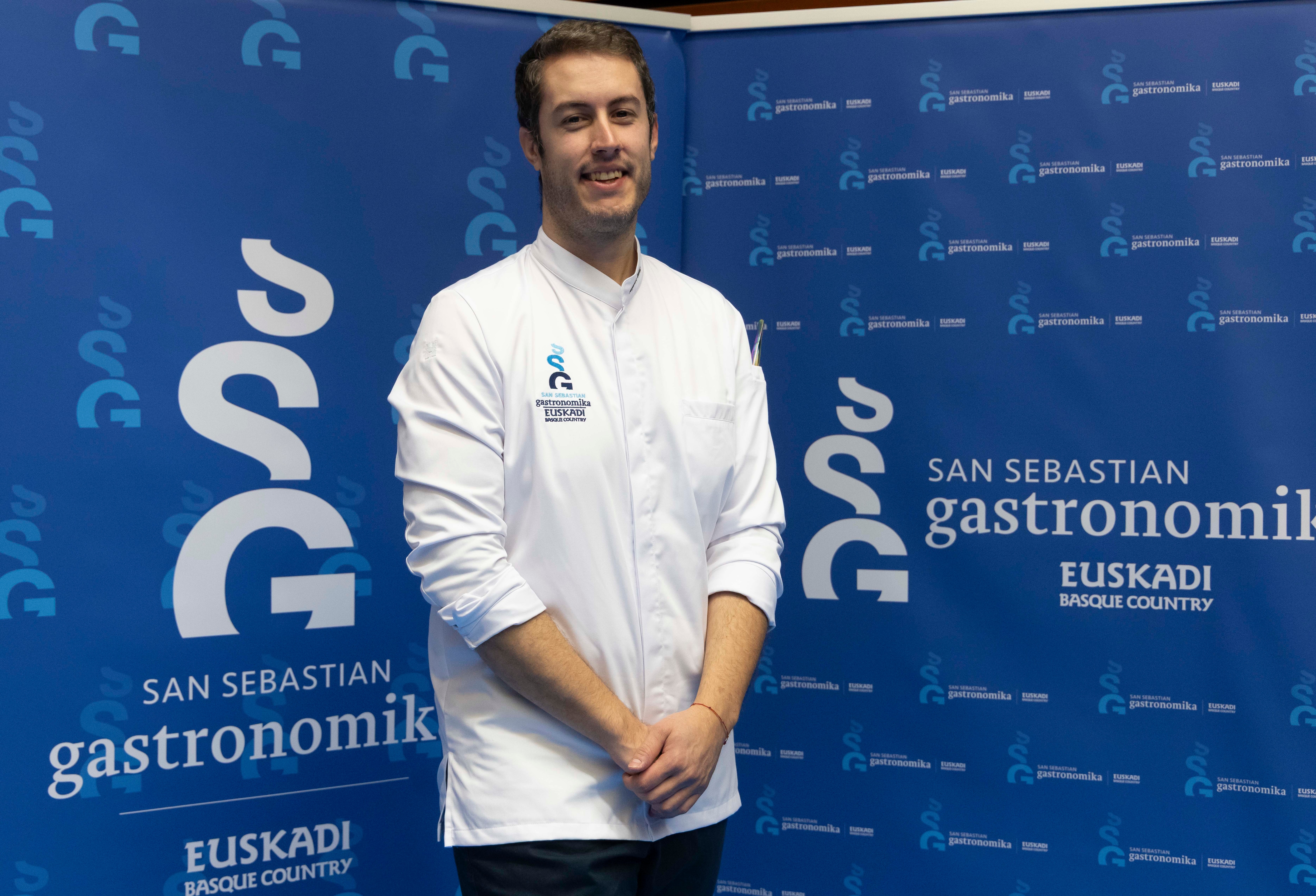
Chef Alejandro Ibáñez of Barahonda in Yecla highlighted the economic dimension. Operating in a winery region, his restaurant is focussed on waste reduction, “We’re obsessed with not wasting anything. If we’re using a seasonal ingredient, so much the better, because it’s cheaper, but it’s also when it’s at its best moment.” Ibáñez works extensively with wine lees, the yeast sediment typically discarded after fermentation, transforming this waste product into an ingredient that adds acidity, complexity, and umami to numerous dishes. This is regenerative thinking applied to food systems rather than just farms.
The wine lees, “acidic, with brioche, yeast notes as well” adds “a note of complexity to a lot of the dishes that we cook,” he said. Ibáñez even uses potato peelings, eel bones and skins, and fig trimmings that would otherwise be discarded. But regeneration demands patience and capital that most farmers and fisherfolk lack.
The most promising models combine tourism and education, premium pricing for regenerative products, and ecosystem service payments compensating farmers and fishermen for carbon sequestration, water quality improvement and biodiversity support. Several chefs have become direct investors in regenerative supply chains. Mitsuharu Tsumura of Maido in Lima has funded reforestation projects in the Peruvian Amazon while sourcing indigenous ingredients that gain commercial value only when forest ecosystems remain intact. Oriol Castro of Disfrutar in Barcelona supports small-scale fishermen practising selective techniques that preserve marine breeding populations.
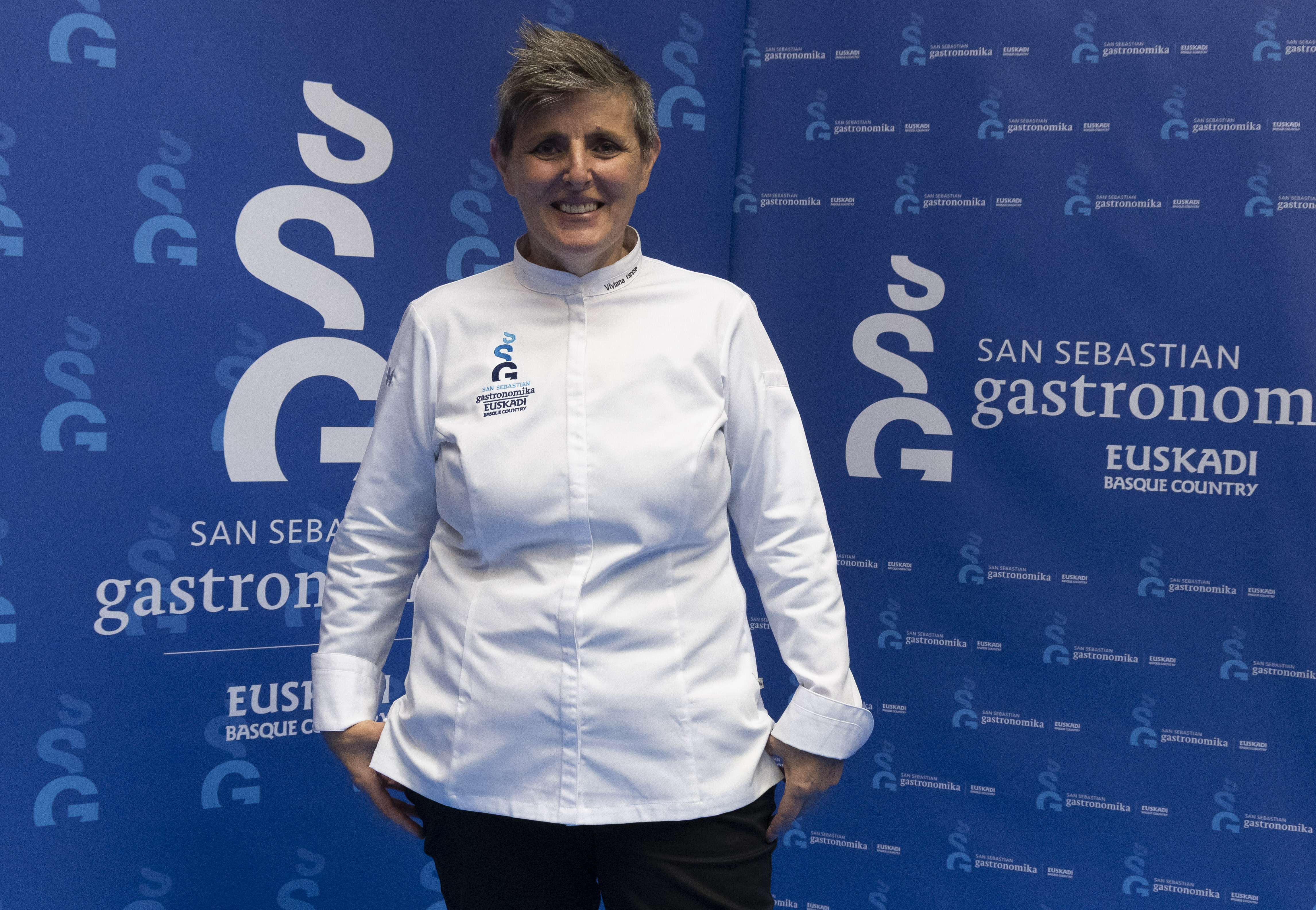
Gastronomika 2025 also accentuated the recovery of culinary knowledge erased by industrialisation and globalisation. Chef Viviana Varese exemplified this dimension. Operating at Passalacqua, an 18th-century villa on Lake Como that was home to composer Vincenzo Bellini, Varese conducted extensive anthropological research into historical cuisine. She discovered that Caterina de’ Medici, the Queen of France, introduced numerous elements foundational to French dining etiquette and cuisine including the fork, perfumed tablecloths, the separation of sweet and savoury courses, and dishes ranging from broccoli and onion soup to macarons and éclairs. Varese observes that “in the 1700s, cuisine was very much globalised” as chefs travelled throughout Europe, incorporating ingredients from India, America, and Russia. These included spices, potatoes, tomatoes, chocolate, creating a culinary exchange network more sophisticated than many assume. Her menu resurrects these historical preparations, not as museum pieces but as living cuisine adapted to contemporary technique and expectations.
It might not be obvious but the parallel to endangered foodways worldwide is direct. Paolo Loureiro’s demonstration of dried octopus soup is a case in point. This dish, with “added historical value, not just gastronomical value,” was traditionally served along the Basque coast from Zumaia to Mutriku but is now rarely prepared, “mainly due to sanitary reasons,” Loureiro explained. “It’s a pity, but it’s been lost. I don’t think it’s served anywhere anymore. It’s older people who cook this recipe at home.” The dish remains culturally significant but potentially hazardous by modern food safety standards, a reminder, perhaps, that not all traditional preparations deserve revival without adaptation.
Veidehi Gite is an independent journalist.


