
 E-Paper



HT Picks; New Reads
This week’s list of interesting reads includes a journalistic memoir of the 1971 Bangladesh Liberation War by the first reporter to cover it, a book on Aligarh Muslim University and its role in the making of the modern Indian Muslim, and a narrative of how lives are lived in the villages of Bihar

 Prefer HTon Google


Report from Ground Zero
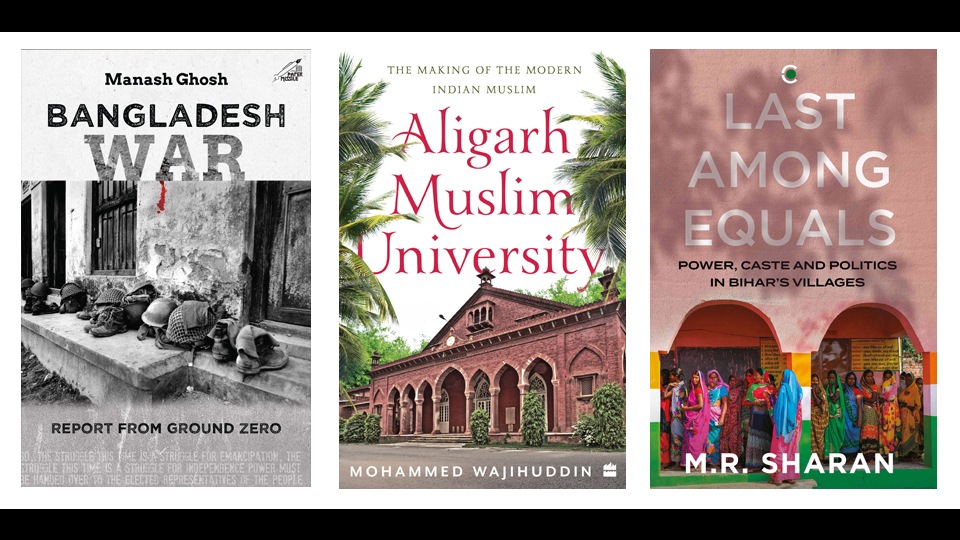
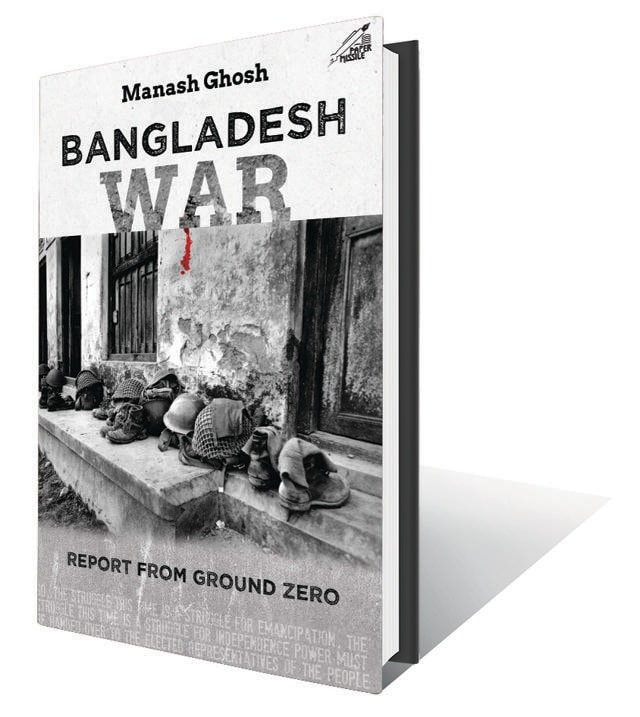
The Bangladesh Liberation War of 1971, also known as the Muktijuddho, was a result of the total alienation of the Bengalis of East Pakistan from the non-Bengalis of the West, setting off a violent political upheaval in the eastern unit of the country, ultimately leading to the formation of the People’s Republic of Bangladesh.
This riveting first-hand account of the liberation war has been written by a former journalist of The Statesman. In fact, the author, then a mere cub reporter, had predicted the coming of the war as early as in January 1971 by writing an article in the Sunday Statesman titled ‘When Brother meets Brother’. When the conflict started, he was one of the very few Indian journalists who covered the epochal event from the very beginning until the final surrender by the Pakistan military in Khulna on 17 December.
The highlight of this book is how Sheikh Mujibur Rahman, impelled by the ruling military junta’s highly exploitative and discriminatory policies pursued towards the Bengali population, evolved the Bengali mindset for waging a Muktijuddho for their independence with Indian help. Having gone deep inside East Pakistan to cover the liberation war and being on good terms with sector commanders of the Mukti Bahini and senior Awami League leaders, the author provides many hitherto unknown facts which add a different dimension to this book.*
The Making of the Modern Indian Muslim
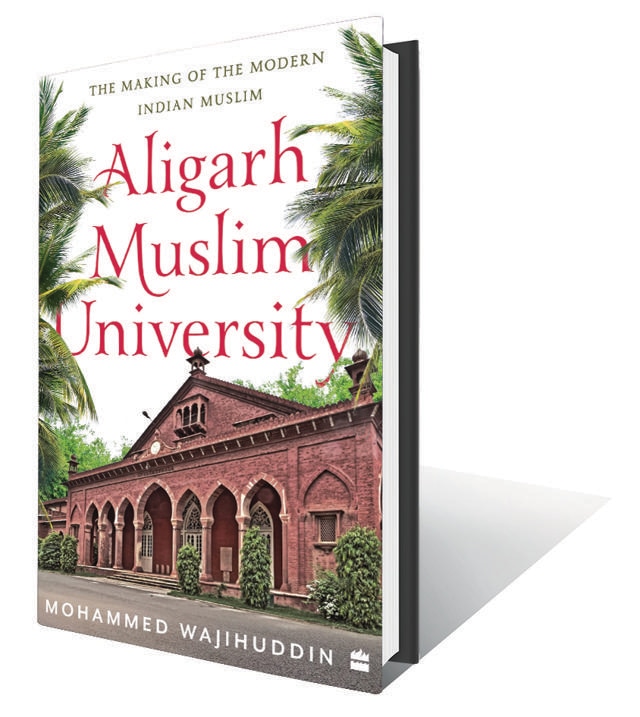
The Aligarh Muslim University (AMU) completed a hundred years in December 2020. In December 1920, the Mohammedan Anglo-Oriental (MAO) College founded by Sir Syed Ahmad Khan in 1877, was transformed into AMU. Sir Syed also established the All India Mohammedan Educational Conference to infuse the subcontinent’s Muslims with a spirit of modernism. This helped prepare the community, devastated in the aftermath of the Revolt of 1857, for new challenges.
In time, the Aligarh Muslim University played a critical role in the making of the modern Indian Muslim. As Zakir Hussain, AMU alumnus, its former vice chancellor and a former President of India, said over fifty years ago, “The way Aligarh participates in various walks of national life will determine the place of Muslims in India’s national life. The way India conducts itself towards Aligarh will determine, largely, the form which our national life will acquire in the future.’*
Power, Caste and Politics in Bihar’s Villages
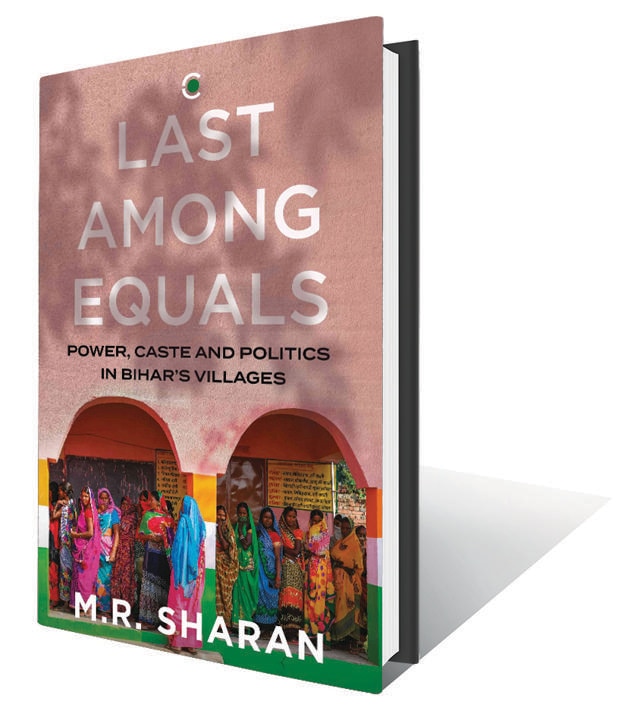
Sanjay Sahni was living an araam zindagi in Delhi working as an electrician, until a chance encounter with a computer sent him hurtling into the labyrinth that is the NREGA – one of the world’s largest rural poverty alleviation programmes – and the corruption within. It led him back to his village, where eventually, he and his comrades (primarily women form the Dalit and most backward castes) formed the anti-corruption group Manrega Watch. Their tale is one strand of village politics, a story of resilience among citizens, those outside the system.
But what of the ‘insiders’? The complex local state unit of the village has at the top a mukhiya, who, like the one in Sanjay’s village, wields great power, even to do harm. Ward members – closest to their constituents and the most socially representative group in the panchayati raj system - are at the bottom of this structure.
Development economist MR Sharan brings these two interweaving strands of insiders and outsiders together to tell a tale of hope: that those on the margins can challenge entrenched hierarchies. Through government action - reservation, decentralization, transparency measures - and through citizenly engagement, social movements and elections. Change is possible, if not necessarily easy. Take the resourceful ward member, Kamal Manjhi, who repurposed the grievance redressal system to complain against the state: this was essentially a member of the local state, using a state mechanism to arm twist another part of the state to do its job.
Last Among Equals eschews the usual sweeping narratives of national and state politics, reaching instead for the ‘swirling, vivid sub-narratives that escape easy categorisation’, the darkness of the material leavened with deep empathy. The result is a captivating, often searing narrative of how lives are lived in the villages of Bihar – and indeed in much of India.*
*All copy from book flap.


