
 E-Paper



HT Picks; New Reads
This week’s pick of interesting reads includes the first attempt to chronicle the everyday realities of the Doms of Varanasi, a fascinating portrait of India’s first great ruler based primarily on his inscriptions, and a meditation on the persistence of old biases in a changing India

 Prefer HTon Google


Life among the dead in Banaras
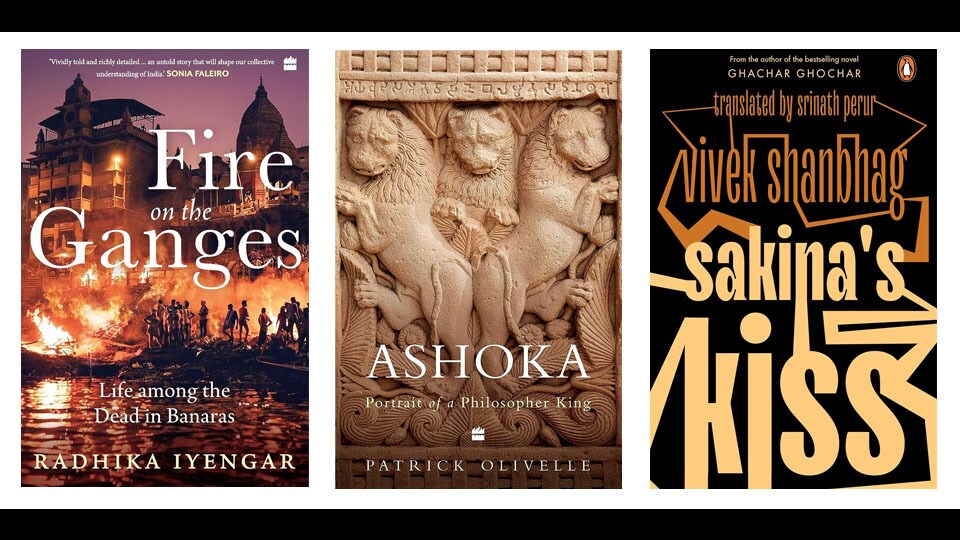
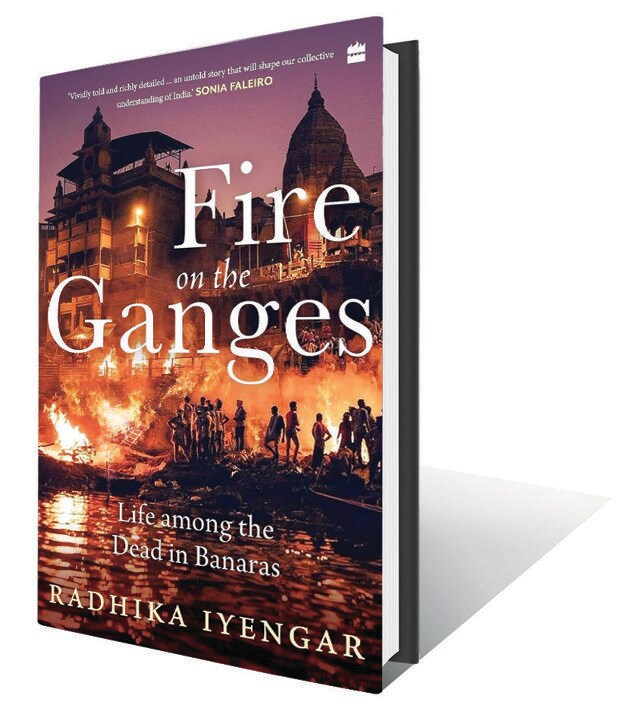
In the land of the dead, there is life all around. Banaras, Uttar Pradesh. A place where life and death coexist. The Doms are a Dalit subcaste in Banaras designated by tradition to perform the Hindu rite of cremation. They have ownership of the sacred fire without which, it is believed, the Hindu soul will not achieve liberation from the cycle of death and rebirth. Despite this, the community is condemned to the lowest order in caste hierarchy, and its members continue to be treated as “untouchables”. Fire on the Ganges is the first attempt to chronicle the everyday realities of the Doms. It plunges into Banaras’s historical past, while narrowing its lens to a few spirited characters from the Dom community. Through their tales of struggle and survival, loss and ambition, betrayal and love, it tells the at-times-heartbreaking, at-times-exhilarating story of a community struggling to find a place beyond that accorded to it by ancient tradition.*
India’s first great ruler
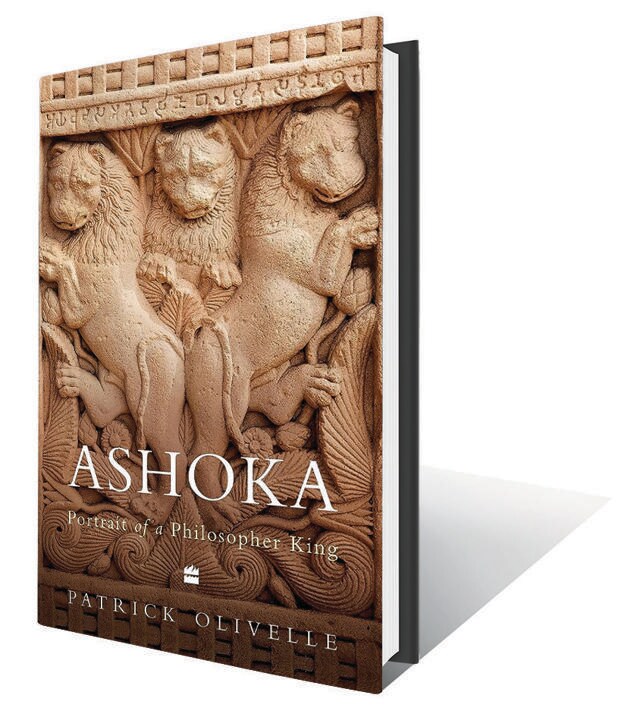
Ashoka, the last great Mauryan emperor, is one of the most iconic figures in Indian history. Under his rule (268-232 BCE) the Mauryan empire extended across almost the entirety of the Indian subcontinent. Apart from his effective reign over his vast kingdom, Ashoka is well known for his renunciation of war, his development of the concept of dhamma, his patronage of Buddhism, and his promotion of religious harmony.Ashoka has been imagined, and re-imagined, many times over. It has been said that there are at least two Ashokas: the historical Ashoka (whom we know mainly through his inscriptions), and the legendary Ashoka, who is largely a construct of the popular imagination. The distinguished scholar Patrick Olivelle’s new book resists the temptation to blend the two – a temptation that many writers have succumbed to – as it seeks to gain an insight into the emperor’s world. Based primarily on the inscriptions (which is where Ashoka “speaks for himself”), Olivelle constructs a fascinating portrait of India’s first great ruler, where the figure of Ashoka comes vividly alive notwithstanding the elusiveness and fragmentary nature of the sources.*
The space between truth and perception
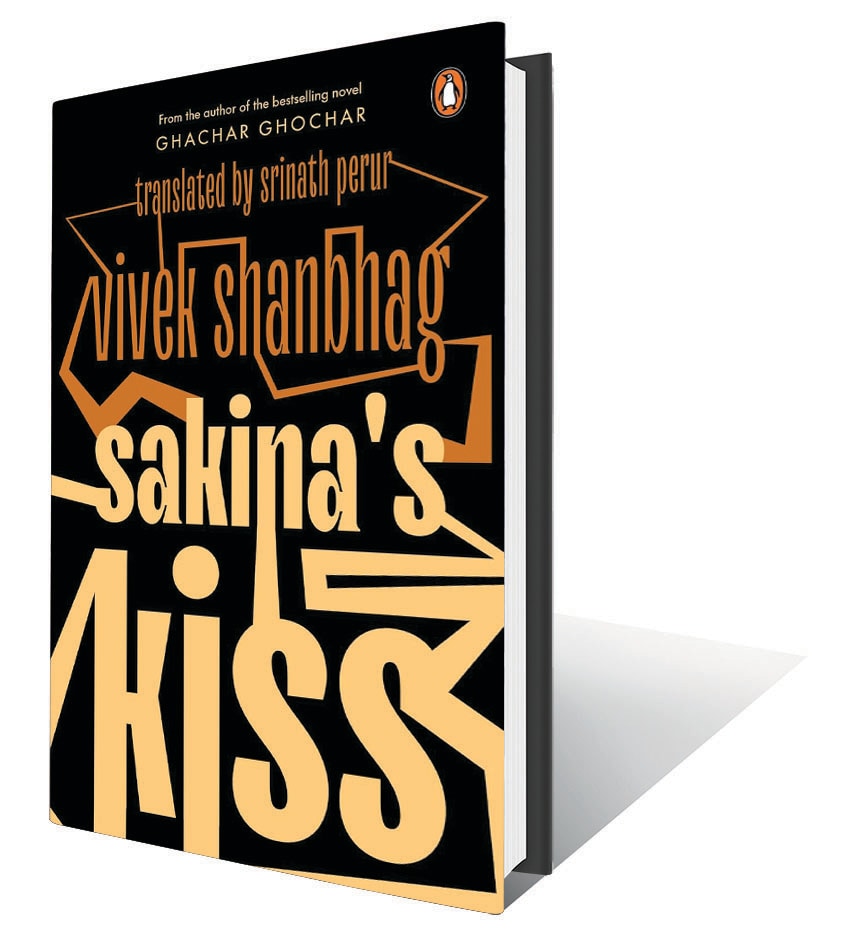
Venkat answers urgent knocks on the door to his flat one evening to find two insolent young men claiming to have business with his daughter Rekha. He deals with them shortly, only to find his quiet, middle-class life upended by a bewildering set of events over the next few days.
Even as Venkat is hurled into a world of street gangs and murky journalism, we see a parallel narrative unfold of a betrayal and disappearance from long ago. Could there be a connection? Set over four mostly sleepless days, we see Venkat lose grasp of the narrative even as he loses grasp of his wife and daughter.
Exquisitely translated from the Kannada by Srinath Perur, Sakina’s Kiss is a delicate, precise meditation on the persistence of old biases — and a rattled masculinity — in India’s changing social and political landscape. Ingeniously crafted, Vivek Shanbhag interrogates the space between truth and perception in this unforgettable foray into the minefield of family life.*
*All copy from book flap.


