
 E-Paper



Reporter’s Diary: Gurugram apartment owners seek more than just possession
From e-voting to stronger accountability, residents outlined proposals that could reshape governance as high-rise communities continue to expand.

 Prefer HTon Google


There is a common stereotype about Gurugram’s apartment residents. They are often dismissed as privileged homeowners complaining about maintenance bills, parking disputes, water shortages or delayed civic services. But after spending a few hours at the Federation of Apartment Owners Associations (FAOA) conference in Gurugram on Saturday, I realised that perception misses a much larger story.
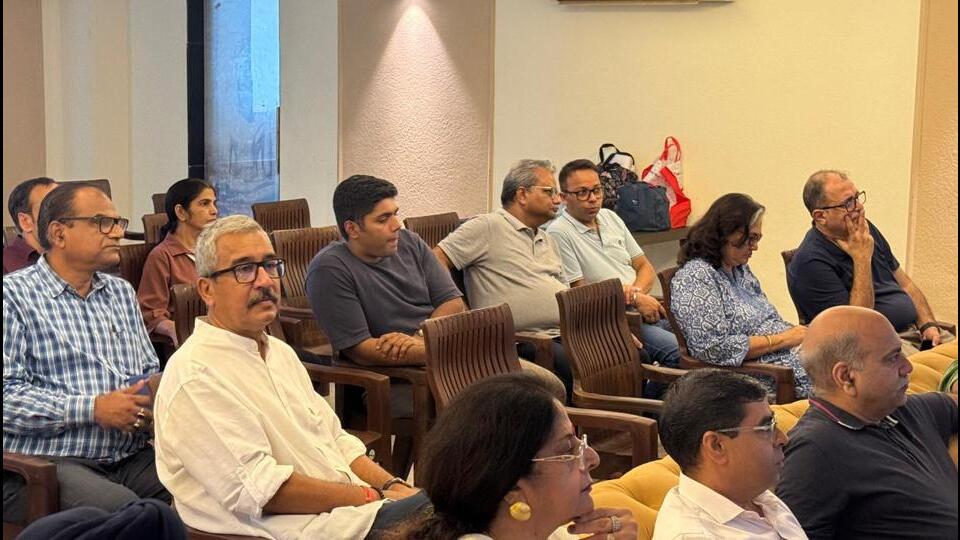
What I witnessed was not merely a gathering of disgruntled residents. It felt like the emergence of one of Haryana’s strongest citizen-led governance movements.
The room was occupied not by politicians or bureaucrats, but by professionals, retired officers, entrepreneurs, lawyers, engineers and ordinary apartment owners who had given up a weekend to understand the law. Instead of simply criticising the system, they were debating legislation, comparing legal provisions, discussing governance models and proposing reforms. It made me wonder how many cities can claim that residents spend weekends studying statutes.
The discussions reflected how deeply apartment owners have begun engaging with public policy. Sanjay Lal’s message was straightforward: homeowners deserve ownership with certainty, not ownership with conditions.
Equally striking was Ritu Bhariok, vice-president of the FAOA, who focused on everyday issues that rarely make headlines, including membership disputes, lack of transparency, weak financial accountability and the need for democratic functioning within apartment associations. Her proposals, including One Society, One RWA, automatic membership for apartment owners, e-voting and a dedicated district registrar for apartment societies, reflected a broader aspiration to make governance as organised as the communities people have invested in.
Listening to these conversations, I could not help thinking about how much Gurugram itself has evolved. Two decades ago, the city was building towers. Today, its residents are trying to build institutions.
Perhaps that was inevitable. When lakhs of families invest their lifetime savings into apartments, they are not merely buying homes. They are investing in security, stability and the promise of a better future. When that promise becomes entangled in delayed handovers, legal ambiguities and prolonged disputes, people eventually stop waiting for someone else to fix the system. They begin understanding how it works and, more importantly, how it can be improved.
That is what I witnessed. This is no longer a movement against builders or government agencies. It is a movement for better governance.
There is an equally important message here for governments and developers. Strong Resident Welfare Associations and Apartment Owners Associations should not be viewed as adversaries but as repositories of lived experience. No official file can fully capture delayed maintenance, governance gaps or policy failures the way residents can. As Indian cities continue to grow vertically, governance must evolve too. The voices emerging from Gurugram’s apartment communities are seeking accountability, clarity and equal rights, reminding us that meaningful reforms often begin not in legislative assemblies, but in community halls where neighbours decide that complaining is no longer enough.
Leena heads the Gurugram bureau, and has extensively covered civic issues, environment, crime, real estate and politics.

Stay updated with all the Breaking News and Latest News from Mumbai. Click here for comprehensive coverage of top Cities including Bengaluru, Delhi, Hyderabad, and more across India along with Stay informed on the latest happenings in World News.


